

The words Meghan Fandrich wrote down about the fire that destroyed her town, burned her little cafe with its cosy robin’s egg blue walls, and overturned her life, were simple.
I leave the café
and step onto the street
everything is sepia
everything is still
everything is
burning
Sitting over an old typewriter on her living room floor, more than a year after the fire, these visceral, literal impressions were what came to her fingertips. “I was putting words on things that I hadn’t even consciously remembered,” she tells me over the phone from Lytton, where she still lives five years after a wildfire burned 90 per cent of the town to the ground. “It was too intense to be writing in full sentences. It had to come out as abbreviated and dense and raw as possible.”
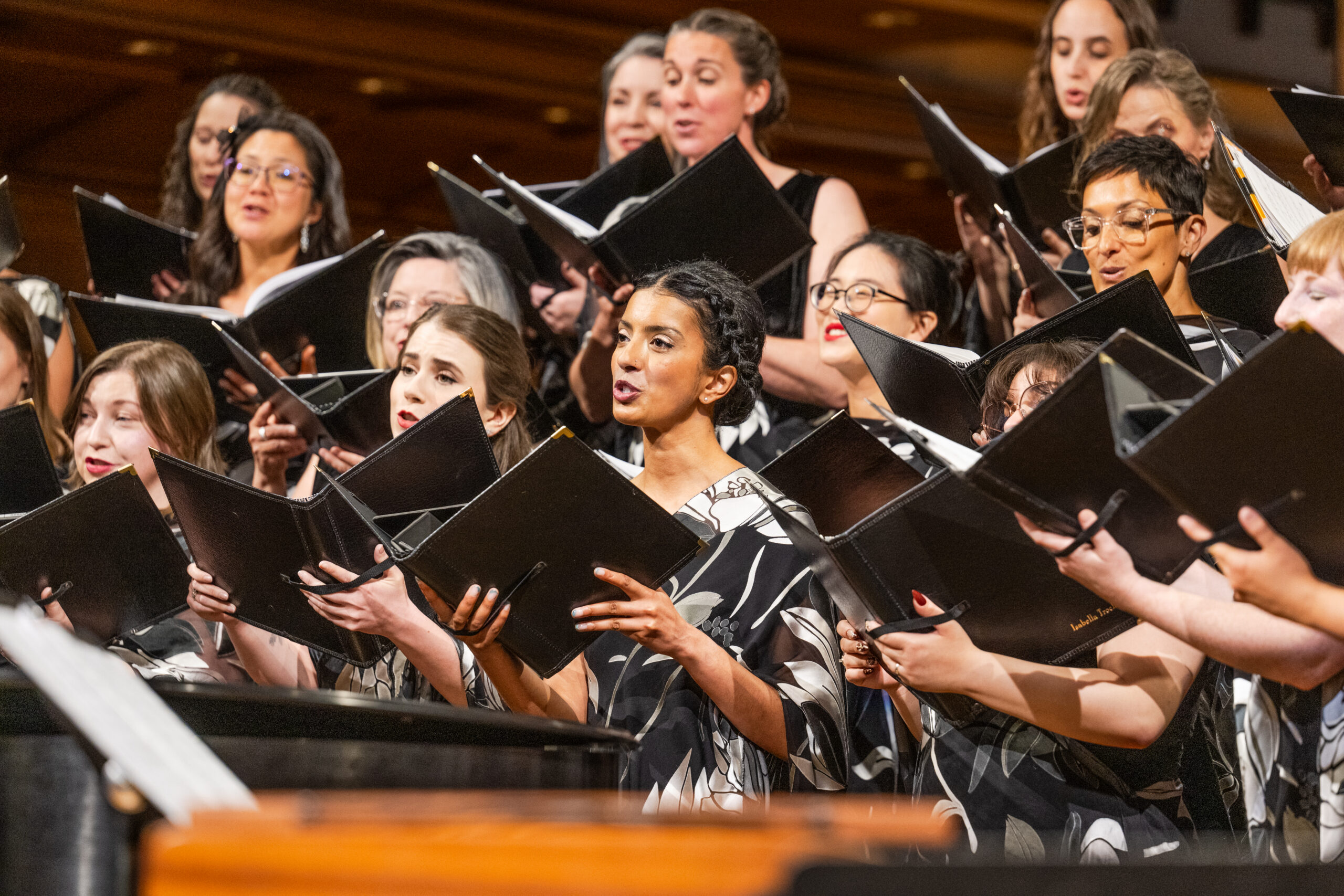
These poems were the first breath of a story that Fandrich has, in some way or another, been telling ever since. They ended up in a book Burning Sage: Poems From the Lytton Fire from Caitlin Press, solidified into nonfiction prose in literary magazines, and then spread into editorial activism in newspapers, where she began to write about the greater threat of climate change that loomed behind the devastating fires of 2021. Next week, March 28 and 29, Fandrich’s poems will be sung for the first time in concert, put to music by Juno-nominated Canadian composer Andrew Staniland and performed by Vancouver treble voice choir Elektra. The concert, If the Earth Could Sing, brings together compositions that speak to the reality of climate change, including Songs From the Lytton Fire and a work for choir, cello, and percussion from Vancouver composer Katerina Gimon.
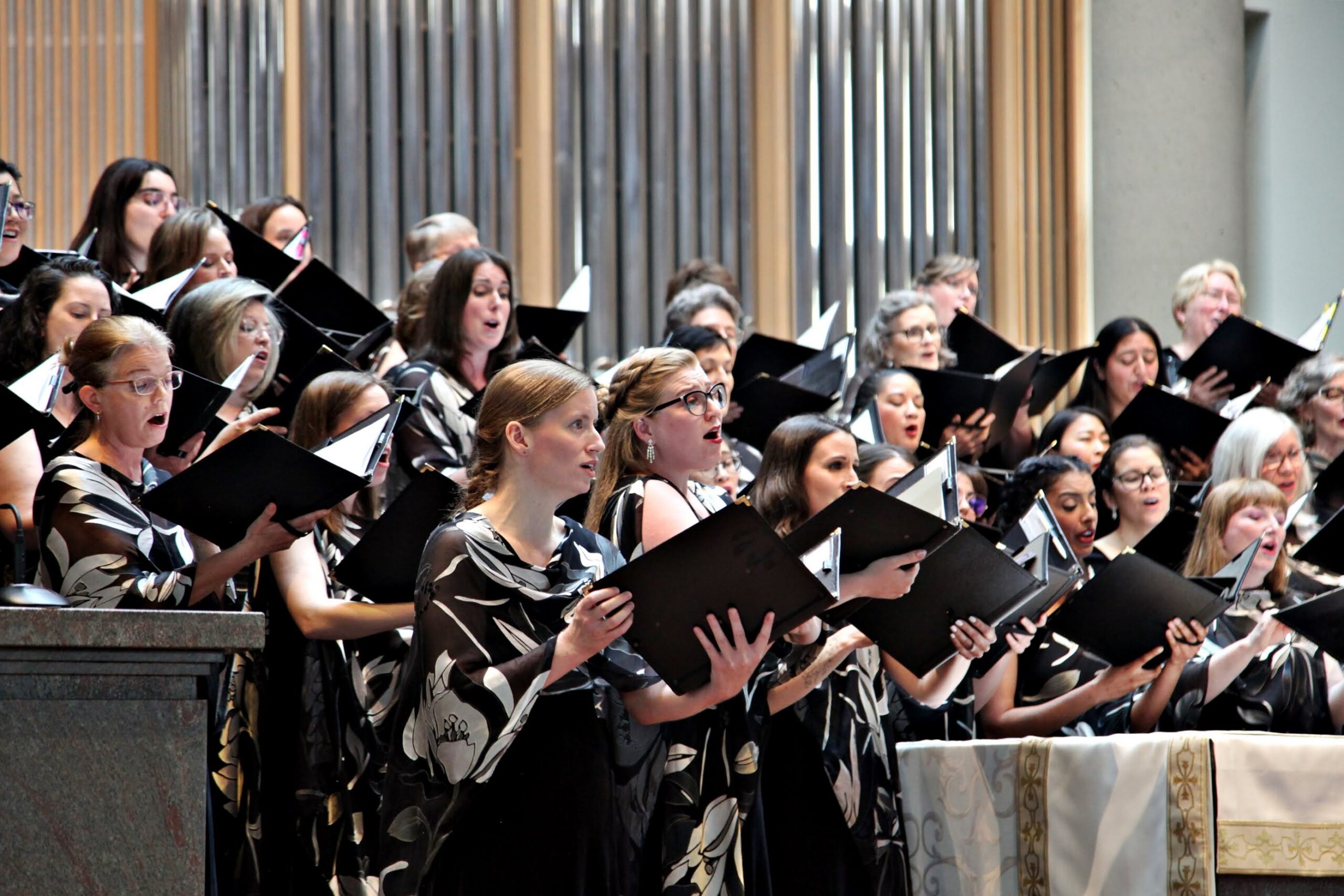
Photo by Jina Kim.
Staniland, known for his innovative, genre-pushing compositions, has a new album, The Laws of Nature, up for a Juno for classical composition of the year, full of abstract soundscapes, stuttering rhythms, and fantastical instrumentation. He’s also a musical inventor and has created a digital instrument that produces music out of brainwaves. In his work with Fandrich and Elektra, he says his job is to bring new and unexplored depth to the poetry.
“When we go into Meghan’s world in Lytton, we go there with her. But you’re also going into your own vulnerabilities and exploring those. That’s what makes this kind of work compelling,” Staniland says. “The specificity of Meghan’s work helps us understand this kind of thing.”
Last year, after completing Songs From the Lytton Fire, Staniland was confronted with his own vulnerability, when his home province of Newfoundland and Labrador was also struck with devastating wildfires. “All of a sudden it went from an abstract to something really real. Having written this piece—I don’t want to say it prepared me—but it suddenly meant something different.”
At first, Fandrich says, she had no interest in talking about climate change. The fires in Lytton left her focused on survival and adapting to a new life. But since then, she’s ended up in politicians’ offices and at Climate Week NYC making her personal story into something larger.
“Maybe it will be this little pebble that I’m dropping in the water, with ripples of change from it,” she says. “The climate crisis is more than polar bears and penguins. It’s so real, and maybe by sharing these moments from my very real and very hard experience, and my community’s very real and very hard experience, that will help make it more real for the listeners, and maybe it will help inspire some change.”
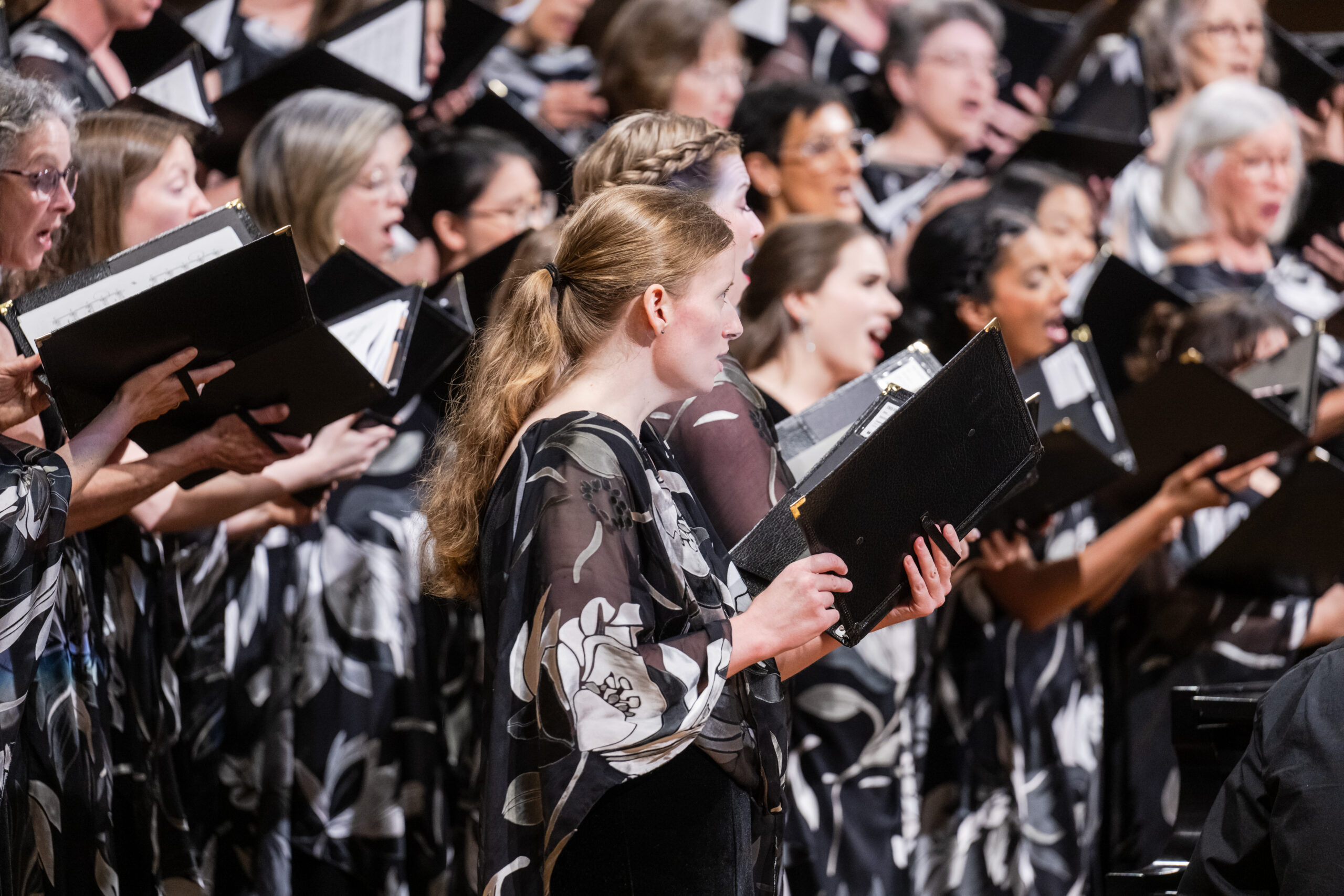
Photo by Christopher Edmondstone.
If the Earth Could Sing will be performed March 28 and 29 at Pacific Spirit United Church in Vancouver. Tickets are available online.