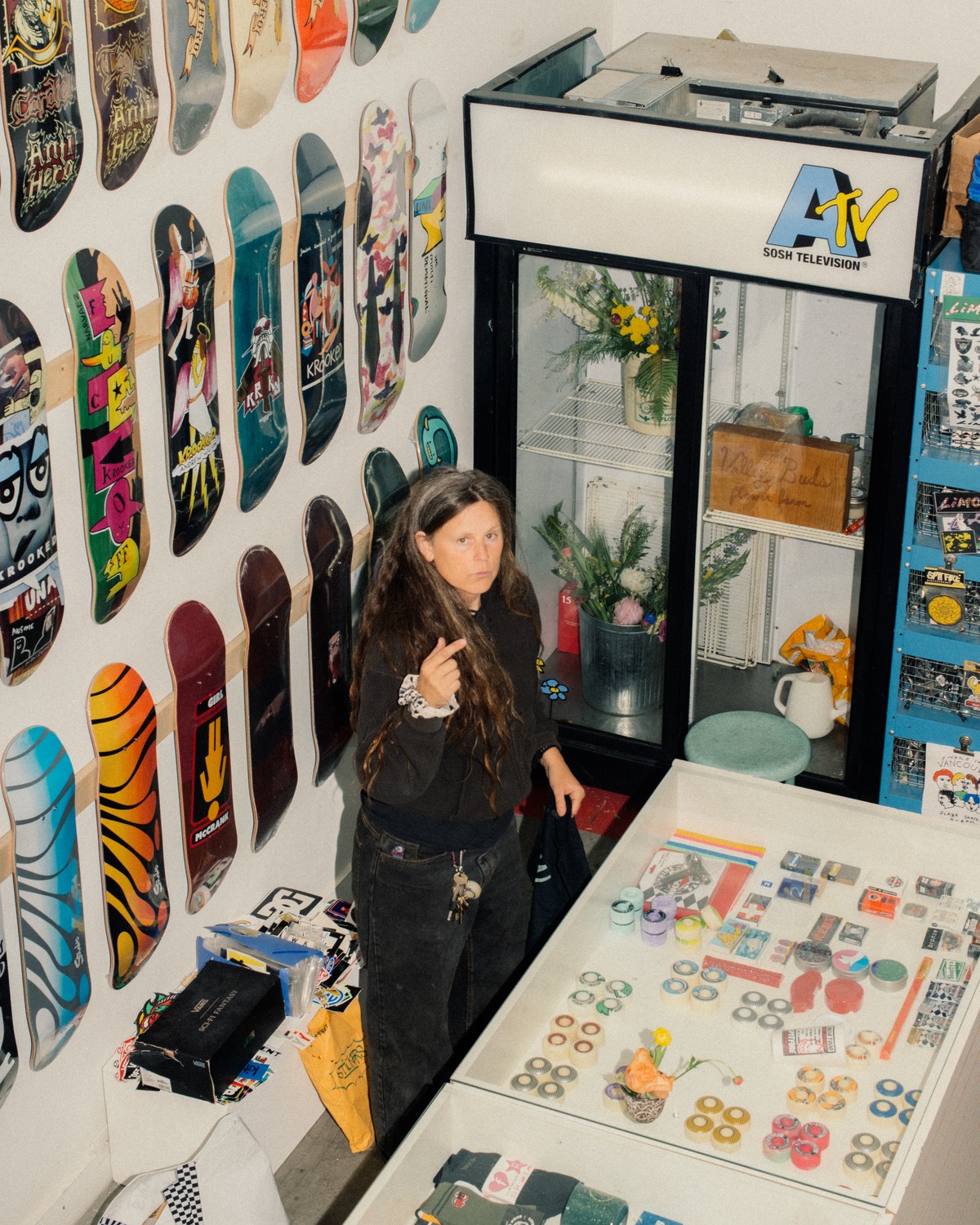


The skateboarders roll across the screen one by one, a steadicam turning to follow as they slide, grind, and leap in Vancouver’s Strathcona Skateboard Park, built in 2003. This is a choreographed number, with each successful execution leading into the next. The soundtrack, a plaintive organ, grows discordant and falters as the skateboarders start to mistime their takeoffs, miss their marks, and fall. Fade to black.
That unusually captivating scene opens Antisocial Skateboard Shop’s debut video project, Antisocial Video (2004). Vancouver skateboarders Michelle Pezel and Rick McCrank had opened the shop at 2425 Main Street two years earlier, and this video would help introduce Antisocial to the wider skateboarding world.
During an era of overly serious skateboarding defined by big stunts, bigger pants, and what could best be described as juvenile machismo, Antisocial offered an alternative. Here was a thoughtful, fun, and creative video featuring a collection of talented skateboarders, many of whom were or became successful musicians, artists, and small-business owners, who seemed to genuinely enjoy each other’s company.
“Rick and Michelle really wanted to pick a team that embodied the ethos of the shop more so than just going out and getting the best people. It was a really eclectic group of skateboarders and a diverse group in terms of style and stuff and what we skated,” says Michael Christie, an inaugural member of the team.
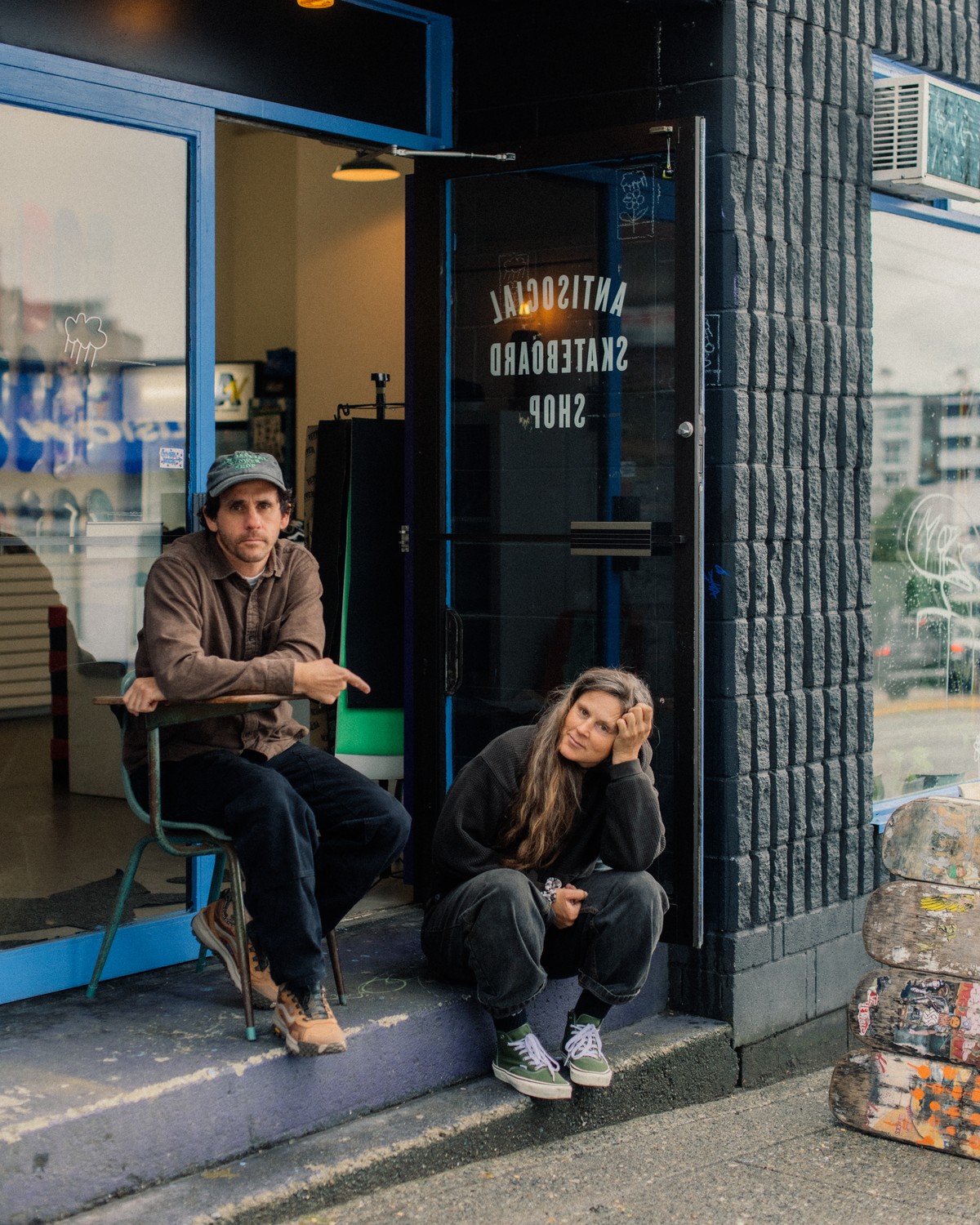
Rick McCrank and Michelle Pezel.
“We weren’t the most normal group,” McCrank says, which put a premium on “finding like-minded people.” Or more simply, “the people who got our jokes.”
They chose well. Of that original roster, Keegan Sauder, Mike McDermott, and Wade Fyfe went on to have careers as professional skateboarders (alongside McCrank, who was already established as one of the biggest names in the sport). Quinn Starr and his wife Elizabeth now own and operate the darling neighbourhood haunt Liberty Bakery and Cafe about a dozen blocks down Main. Benji Wagner, who made Antisocial Video, started the popular outdoor brand Poler. Christie is the author of several books, including the bestselling Greenwood.
That formative project was an exercise in what would become Antisocial’s greatest strength: bringing people together. While game-planning the shop, Pezel and McCrank (and artist Laura Piasta, who was Pezel’s initial partner in the venture before stepping back) wanted to make something that fit their vision of what skateboarding was and could be, from the brands they carried to the team they assembled.
But for Pezel, who manages the shop’s day-to-day operations, building community has always been at the forefront. That’s where she thrives.
Christie, the novelist, first met Pezel while he was attending Simon Fraser University. “She lived in the townhouse complex where I was living. She came to my front door when she was 15, maybe, and she was like, ‘Hey, you guys have skate stickers on your cars. What’s up? Can I borrow a tool to work on my board or whatever?’” She was one of the first skateboarders he met in the city.
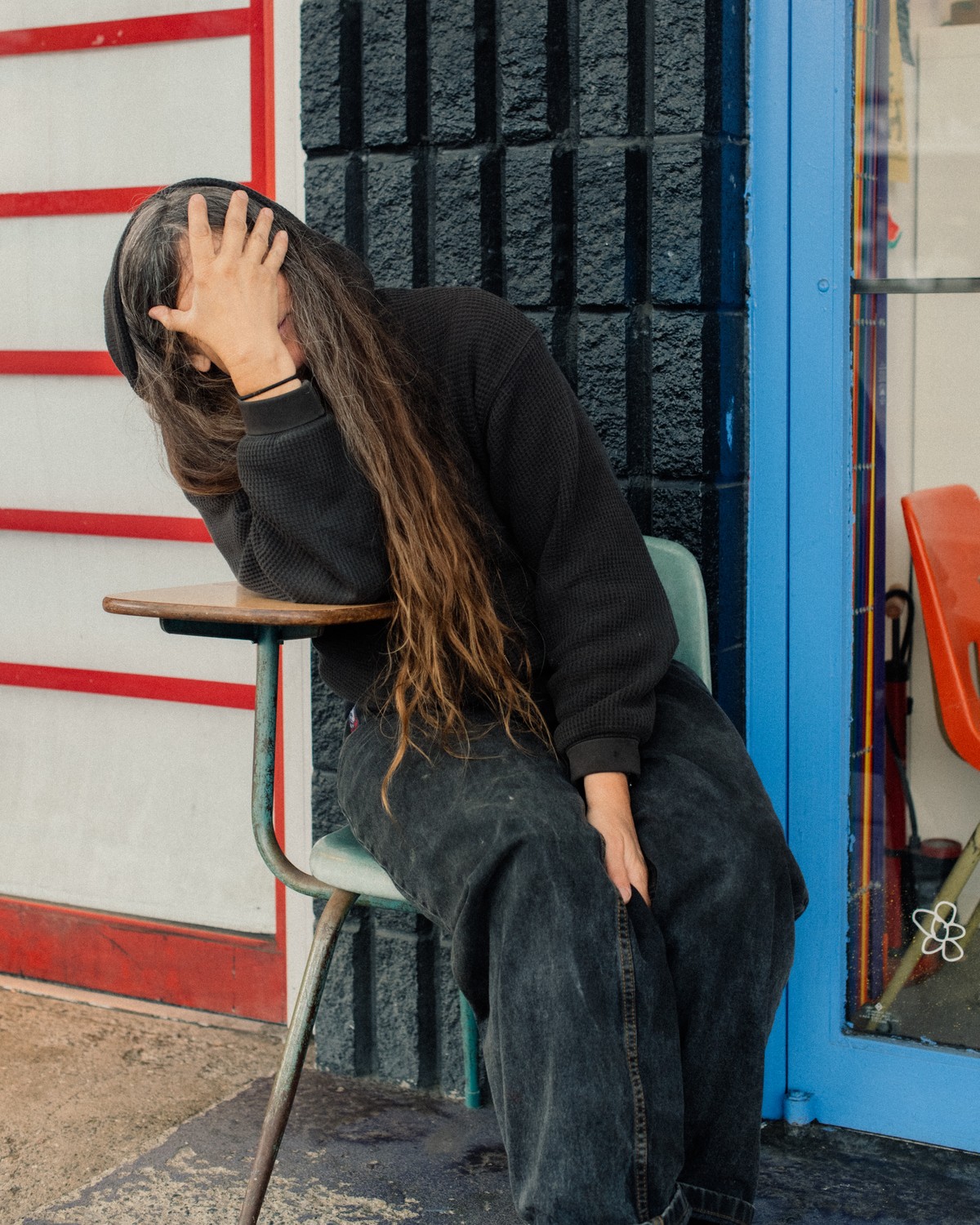
In the late 1990s, Pezel helped start a crew of skaters which included, per librarian and archivist Natalie Porter’s Womxn Skateboard History: Laura Piasta, Katie Piasta, Hana MacDonald, Michele DiMenna, Tracy Vernelli, Alison Matasi, Char Hunter, Isabelle Ranger, Cory Nagel, Maya Credico, Kerry Ridge, Carrie Williams, as well as Porter herself. They frequented Burnaby’s Confederation Park Skateboard Plaza, where McCrank believes he first met Pezel.
McCrank says Pezel and her friends “faced hardship as young skaters” in a male-dominated skate scene, “which motivated her to provide a space for younger generations coming up, inclusive for everyone. She saw that need, felt it, and has been steadfast about it.”
Antisocial has called Vancouver’s Main Street home for 24 years. Over that time, its storefront has moved progressively northward between Broadway and 3rd Avenue. The original location now holds two vintage stores. In 2002, it held one very large skateboard shop—so big that Antisocial routinely held art shows in a gallery space at the rear of the building. They exhibited new and established local artists and those touring from around the world: Ed Templeton, Rodney Graham, Lori Damiano—names you might find in the shop checking out or exhibiting work. The space regularly changed hats to serve as a music venue, where bands such as Black Mountain rattled the large storefront windows.
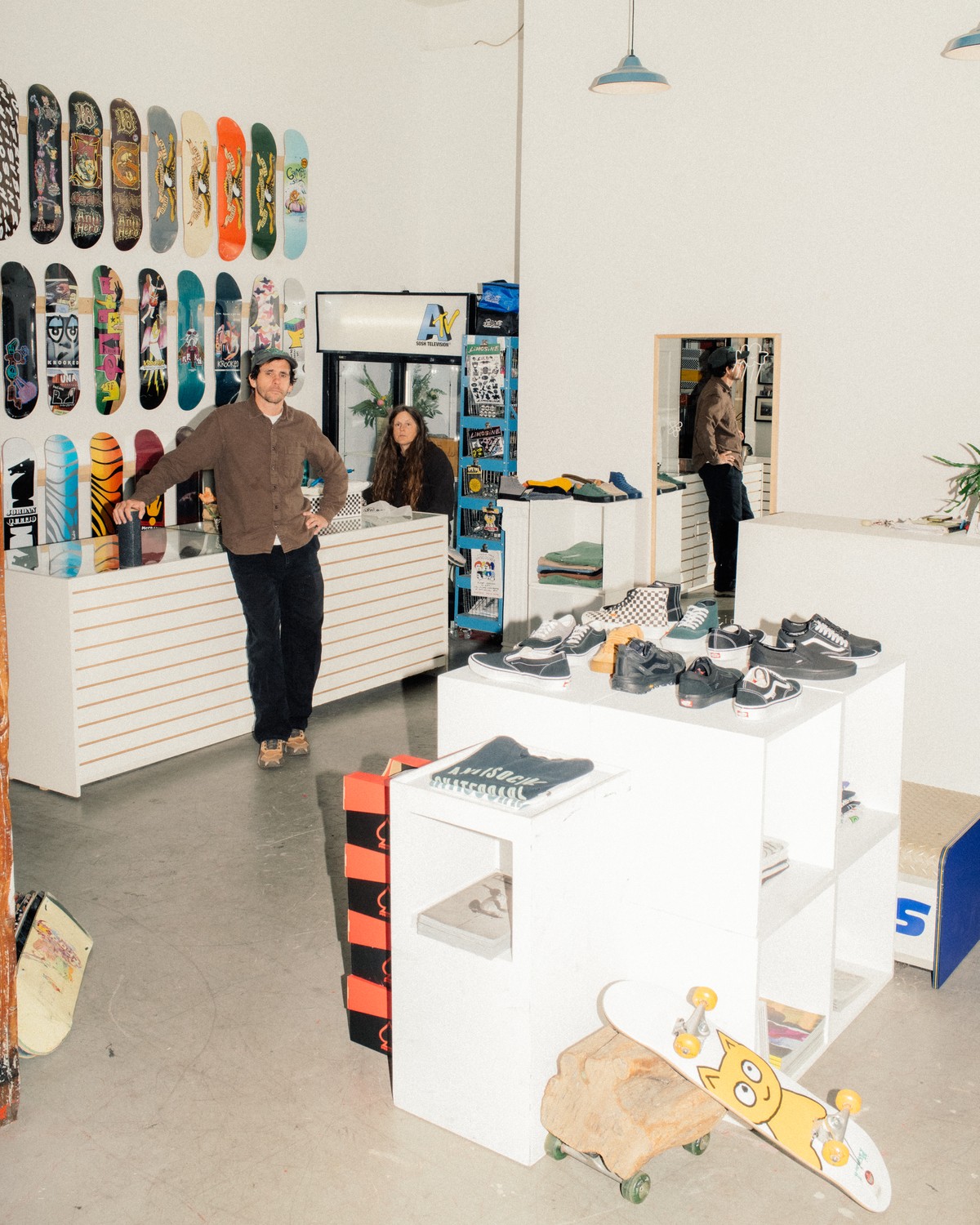
Macey Budgell, the owner of Budgies Burritos and a longtime friend of Pezel and McCrank, recalls those days in the early aughts when Antisocial held shows almost every weekend: “Her neighbours would always complain, but you’re like, ‘Dude, this is now why Mount Pleasant is fucking bumping,’ because people would come up here and then go to these events. I think she had a huge part in making this area cool.”
As you might expect, Antisocial also had ramps in the back. There was the much-loved miniramp that for several years played host to scores of wild sessions, as well as more experimental structures.
After Lee Matasi, a local skateboarder and artist, was shot and killed outside a Vancouver nightclub in 2005, Pezel, McCrank, and others from the community built bright white, wooden DIY-style features that more resembled snow drifts than a skate park. This was a “political project” of sorts, Pezel says, in the vein of Artists Against Violence. At the same time, she and others lobbied the city to permit them to build permanent DIY obstacles under the Cassiar Street Connector, where Matasi had started erecting ramps before his death. While the effort took years, the Leeside Tunnel Skateboard Park is now an officially recognized skatepark and one of Vancouver’s most popular attractions for skateboarders.
That community-centric drive is Pezel’s engine and an ideal one for a skate shop, because for most patrons, it’s more than a place to spend their hard-earned dollars or, depending on age and means, monthly allowance. The skate shop is a gathering space. The central node in a city’s skate scene. It’s where you go to meet your friends before skating, and where you go to meet new friends to skate with.
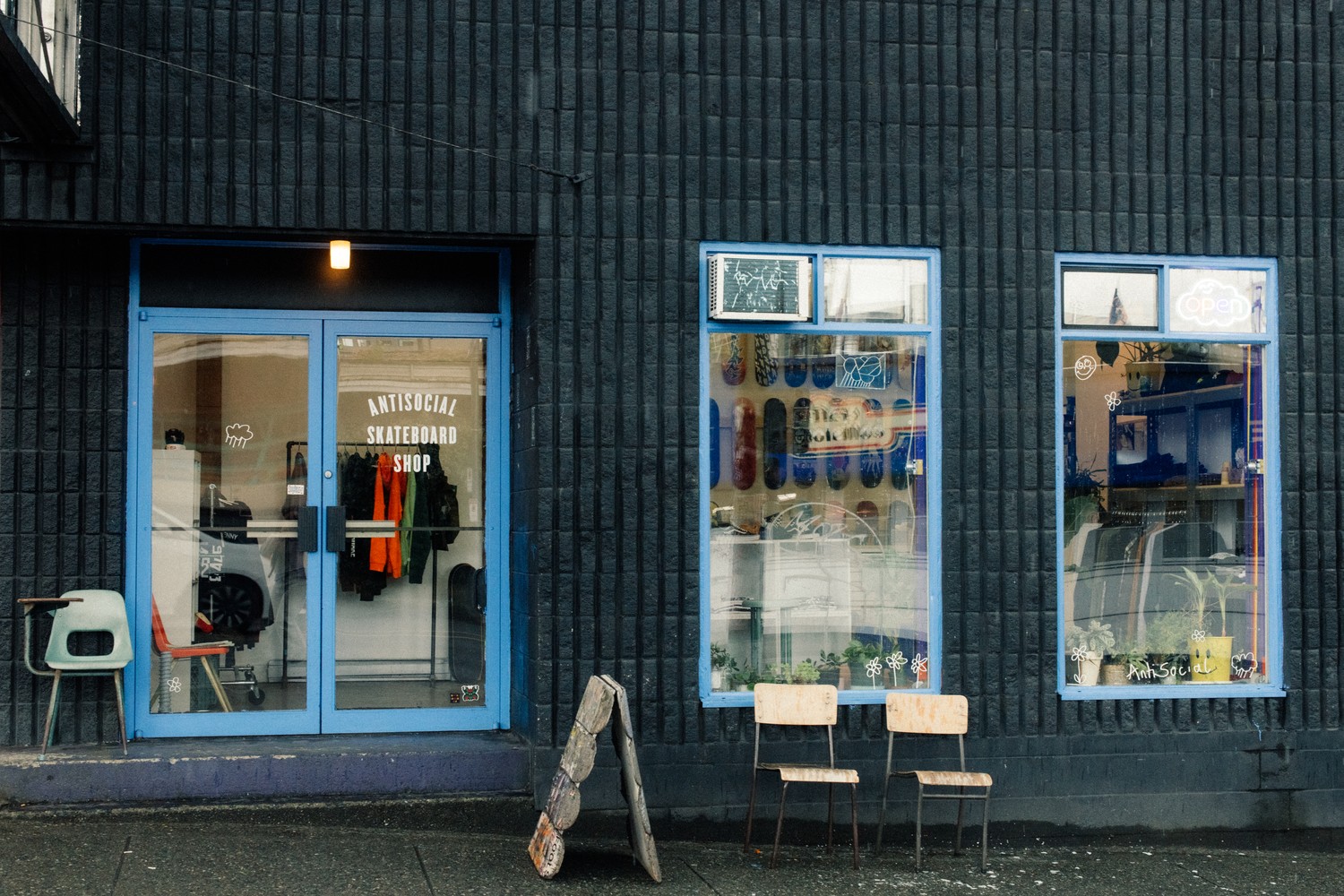
In 2007, gentrification’s creep reached Antisocial’s section of Main Street, and rent skyrocketed. The shop had to downsize. On New Year’s Day, following a blowout Boxing Week sale, Pezel says the community rallied to help with the short-notice move to Antisocial’s second location, a block up the street. “Everyone was hungover, and it was snowing. It was a mess, slush everywhere, and we carried everything like we were bringing [it all] back down the mountain to Whoville.”
That storefront would remain Antisocial’s home for the next 15 years. It was smaller than the first, but that didn’t limit their ambition. There was a gallery at the back of the shop that kept artists’ work on the walls, and countless bands turned the storefront into a concert hall—once Pezel had moved all the merch displays out of the way. (If you haven’t accidentally knocked a board off the wall, have you ever really been to a show at Antisocial?)
The shop began holding its annual Artsy Craftsy fair, where local artisans sell their wares in advance of the holiday season. Every summer, the Junk Jam brought skaters, musicians, and vendors behind the shop, where off-kilter skateable obstacles took over the alley and back parking lot. A new generation of skateboarders joined the team and released The Antisocial Video (2016), a project helmed by Jake Kuzyk. That regeneration happened anew almost a decade later with 2024’s Antisocial Summer, a co-production by Shari White and Angelo Fajardo, starring professional skateboarders and shop team riders Breana Geering, Una Farrar, and Dustin Henry.
As Antisocial has evolved—including becoming “Antisocial Flower Shop” each spring as Pezel and Alana Paterson’s Valley Buds business sells their farm-grown flowers and vegetables out of the skate shop—so has Vancouver.
There are now towering developments up and down that stretch of Main Street. A new SkyTrain line is under construction, and the Broadway Plan has put all small businesses in its vicinity on notice. The twin daggers of housing and affordability crises have forced many to move not just from the neighbourhood but out of Vancouver entirely.
At a time when the city feels as if it has only grown colder, accessible only to a certain income bracket, Antisocial has been a haven. A shop, gallery, and venue, yes, but also a welcoming and distinctly progressive space. One that has long championed a more inclusive skateboarding culture, whether that’s putting on events for women and LGBTQ2S+ skaters or hosting fundraisers for Nations Skate Youth and Palestine.
“I think that it’s a place that a lot of people that aren’t necessarily your standard skater can go and feel good. And your standard skater can go there and be stoked too,” Geering says.
That advocacy extends beyond the walls of the shop. Pezel’s tenure with the Vancouver Skateboard Coalition, where she currently serves as president, has been wildly successful, as Pezel and the board have campaigned for skateboarding, skateboarders, and more skateparks in the city, with new facilities regularly springing up, including a newly announced plaza in Burrard Slopes Park.
Budgell calls Pezel “the mayor” of their neighbourhood community of small-business owners, her tireless networking keeping each another in the loop as the winds of capital shift and waver. Budgies Burritos also wouldn’t exist without Pezel and McCrank, Budgell says.
A fateful road trip that involved plenty of vegetarian burritos on the way to and from Disneyland ended with the owners of Antisocial encouraging and helping Budgell to set up shop on the Kingsway side of the Triangle Building, where she’s been for the last 21 years. A portrait of McCrank from the film Machotaildrop hangs over a booth in the dining section.
Running a small business hasn’t become easier over that time, from continually rising rents and the impact of e-commerce on bricks-and-mortar to the fallout from the COVID-19 pandemic that many businesses simply didn’t survive.
It only gets more difficult when you place community over profit. Pezel’s “a DIY juggernaut—she loves to work. I’ll tell you this right now, MONTECRISTO, she does not love money,” McCrank says.
Budgell also made sure to note: “She’s like the least-capitalist human being you’ve ever met. How she’s kept a business afloat with money not being the centre of the fucking business is impressive.”
That doesn’t mean there haven’t been close calls. Last July, after struggling to make rent, Antisocial was locked out of its storefront by the landlord and evicted: decades of service to a city no match for the line that must always go up.
When the news broke, a palpable grief spread from Vancouver around the world. It flooded in through online comments shared by the untold number of people who had walked through the shop’s doors over the years and the dozens who gathered outside of them that day. To step back and take stock of that outpouring of heartache and support is to see the multigenerational impact of Antisocial and the work of Pezel and McCrank.
It has been somewhere to buy a new pair of Vans and for lonely teens to find friends. A platform for artists to hone their craft (Daniel Pitout, also known as Orville Peck, played shows there as Nü Sensae with bandmates Andrea Lukic and Brody McKnight) and to celebrate their work (Michael Christie launched his novel If I Fall, If I Die at the shop). And perhaps fittingly, a not insignificant number of Antisocial regulars have ended up falling in love and starting families (including Lukic and original Antisocial team rider Mitch Charron, along with Benji Wagner and his wife, the artist Nahanni Arntzen). Some were married at the shop. Others had baby showers there.
Of Pezel, Budgell says, “That woman is a community centre. There is something about her aura that ripples out. Without her, I don’t know if Mount Pleasant would ever be the same.”
The neighbourhood doesn’t have to worry about that just yet. After the community rallied once more to move everything out of the shop and into McCrank’s basement, Antisocial reopened at Main and 3rd late last year. The third location is smaller than the second, but it feels just as homey. The shop now shares a building with Red Gate Arts Society, a nonprofit DIY music and arts space. So while Antisocial’s storefront may have shrunk, it has even more room to host events.
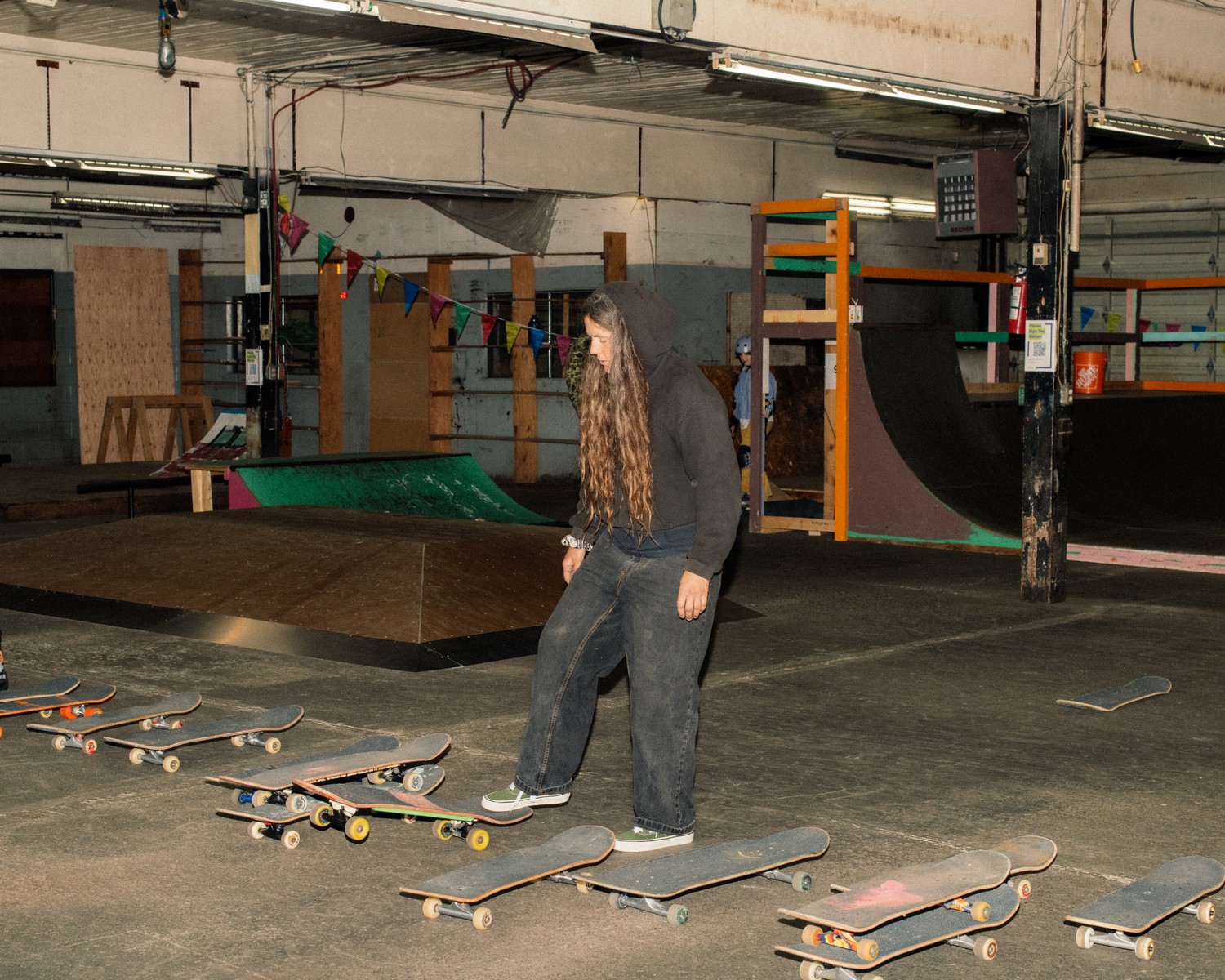
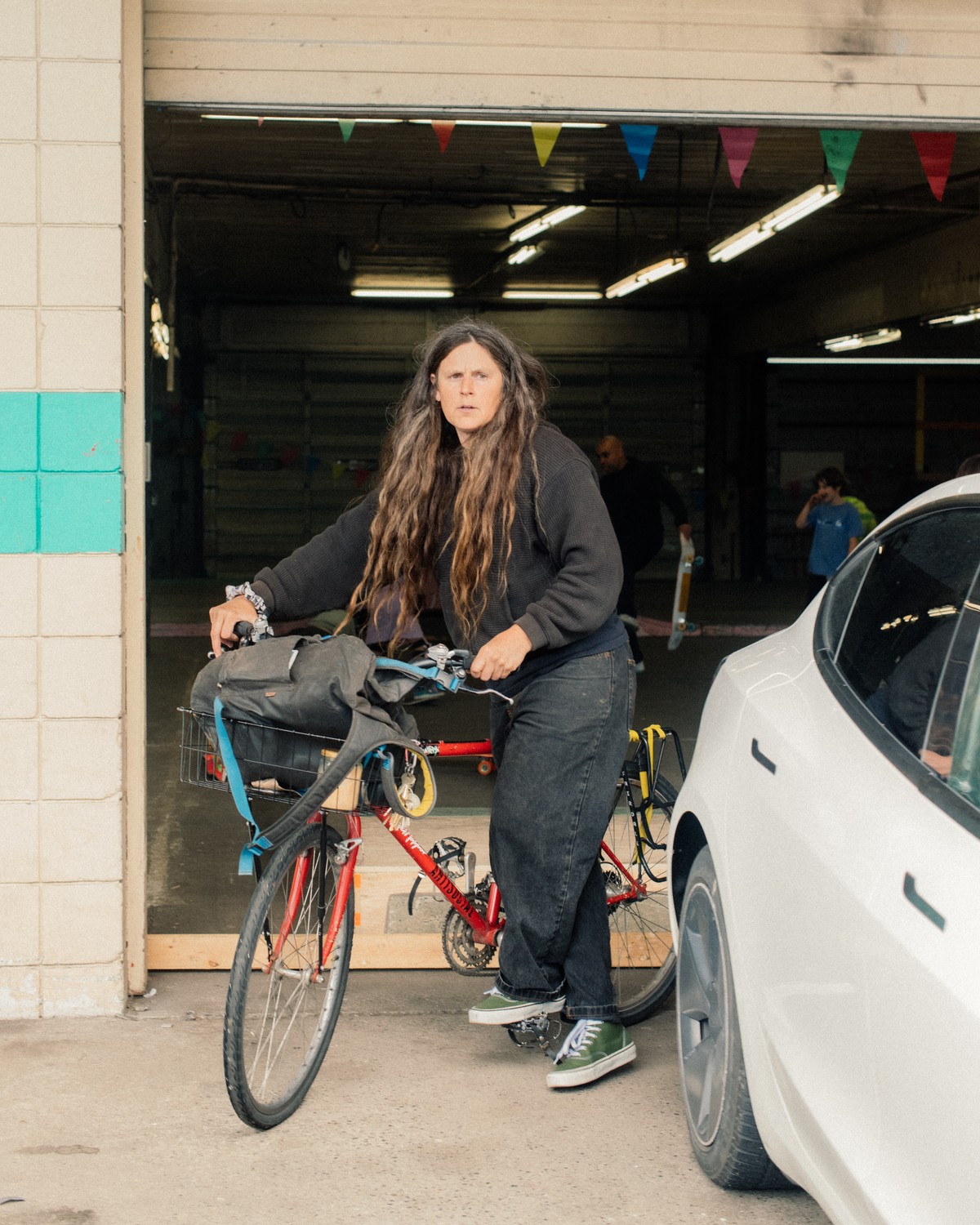
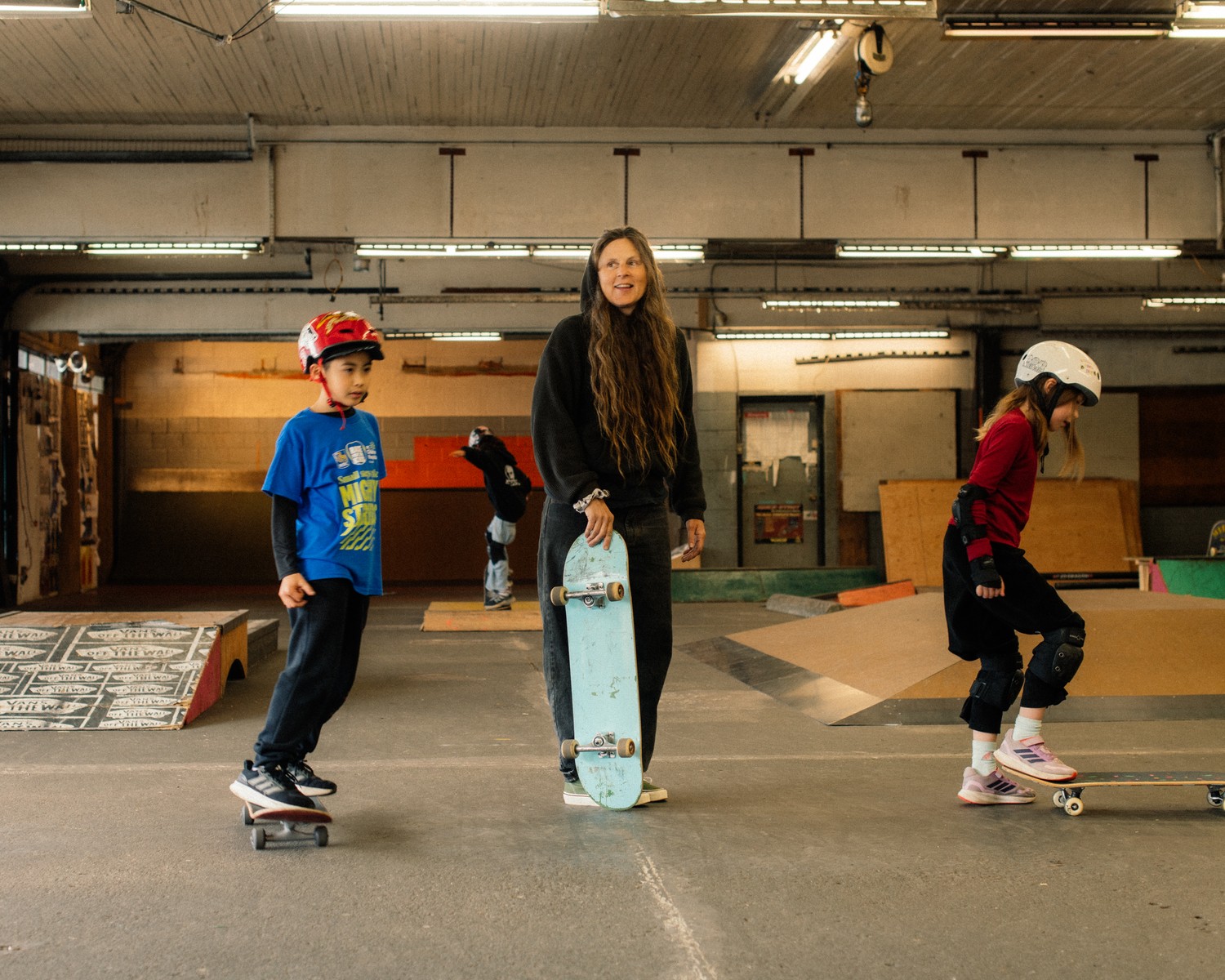
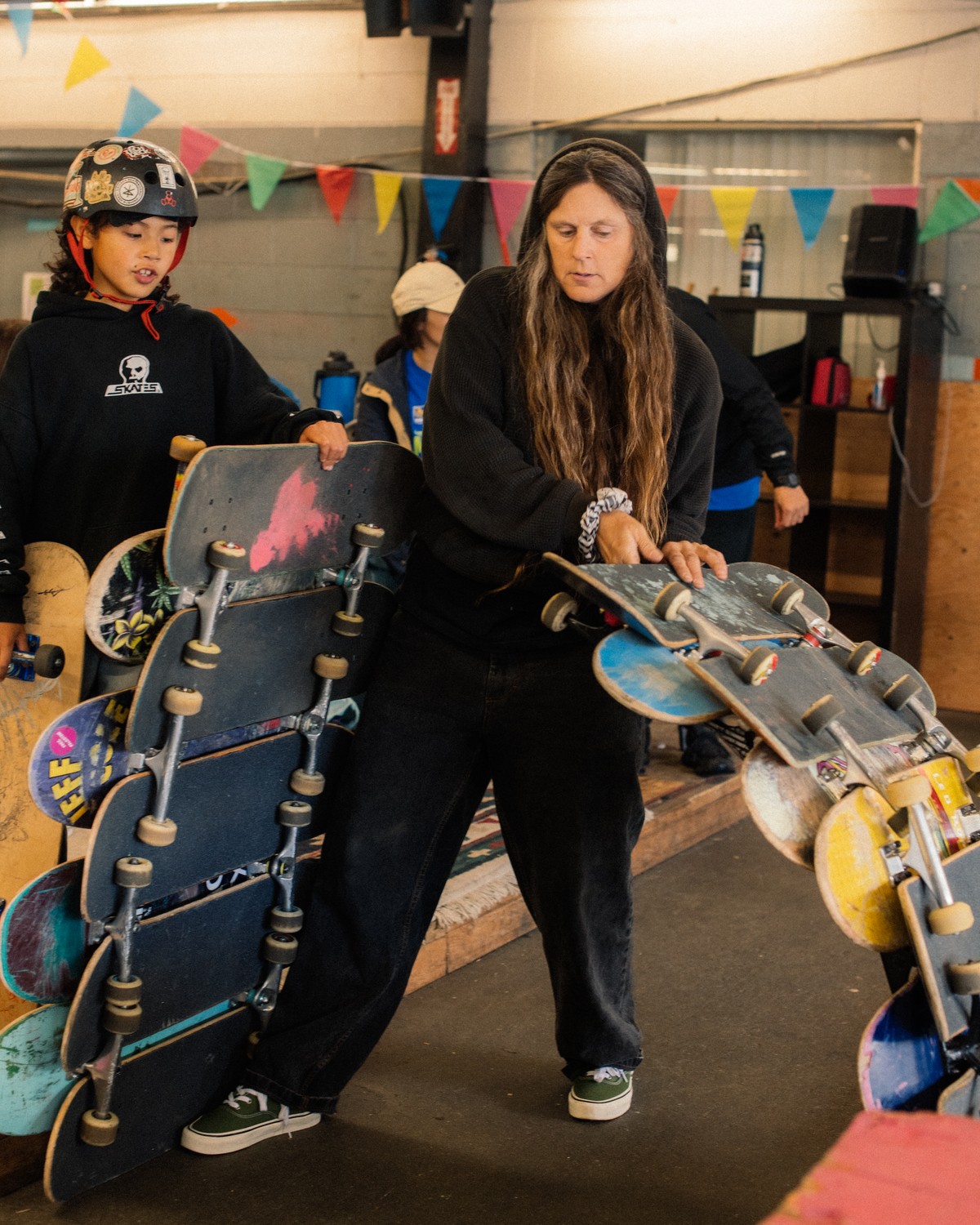
Within months in the new location, Pezel had set up a makeshift skatepark in Tireland, a disused auto garage across the street. It took weeks of scrubbing motor oil out of the concrete floor and cleaning dead pigeons from the back rooms, but she and a handful of others did it without complaint. Now, for however long the building lasts before becoming another glass tower, kids in the neighbourhood have a place to skateboard when it rains.
“I don’t know what drives her. I don’t know if she knows,” McCrank says. “She has this burning thing inside of her. She doesn’t sleep. If she goes to anybody’s house, she’ll do the dishes. It’s kind of a problem. It is what makes her happy, though.”
A skate shop doesn’t last for a quarter-century without genuine care for its community. And the thing about caring is that it doesn’t stop, and it takes serious effort. Putting in the work is Antisocial’s legacy.
“I think because of Michelle and Rick, skateboarding is a kinder place,” Christie says. “Not only in Vancouver, but all over. That influence has endured and will endure.”
“We didn’t go to business school, and we didn’t go to e-commerce school, and everyone’s a little different,” Pezel says. Still, the shop rolls on 24 years later, as beloved as ever. “Yeah. I don’t know how, but I think there are a lot of people that appreciate the chaos, maybe, or the sincerity.
“We’re just people trying our best.”
Read more community stories.