

There’s a white rectangle on the floor of the Park Theatre’s projection booth where a high-resolution, large-format film projector used to be—specifically, a Cinemeccanica Victoria 8. The Italian-made 70mm projector is now lodging at Cineplex Odeon International Village, but it doesn’t matter much.
On a behind-the-scenes walkthrough of the space in January, projectionist Sarah Worden promises that a replacement Victoria 8 is on the way, one of the finishing touches to the technical upgrades that the historic cinema’s new owners say will make it any film lover’s dream. It’s less a return to a former glory than it is the start of a new era for the storied movie house.
When the Park Theatre first opened its doors at 3440 Cambie Street on August 4, 1941, cinemas didn’t have much competition for the attention of the viewing public. Broadcast television in Canada didn’t exist until 1952, and a streaming service like Netflix would have staggered the imagination of even the most dedicated fan of science fiction. The advent of the multiplex was still several decades away, and single-screen movie theatres across Vancouver were each showing something different. At the Capitol Theatre, for example, John Wayne played an Ozark Mountains moonshiner in The Shepherd of the Hills, while at the Strand, James Cagney and Pat O’Brien took to the skies in Devil Dogs of the Air.
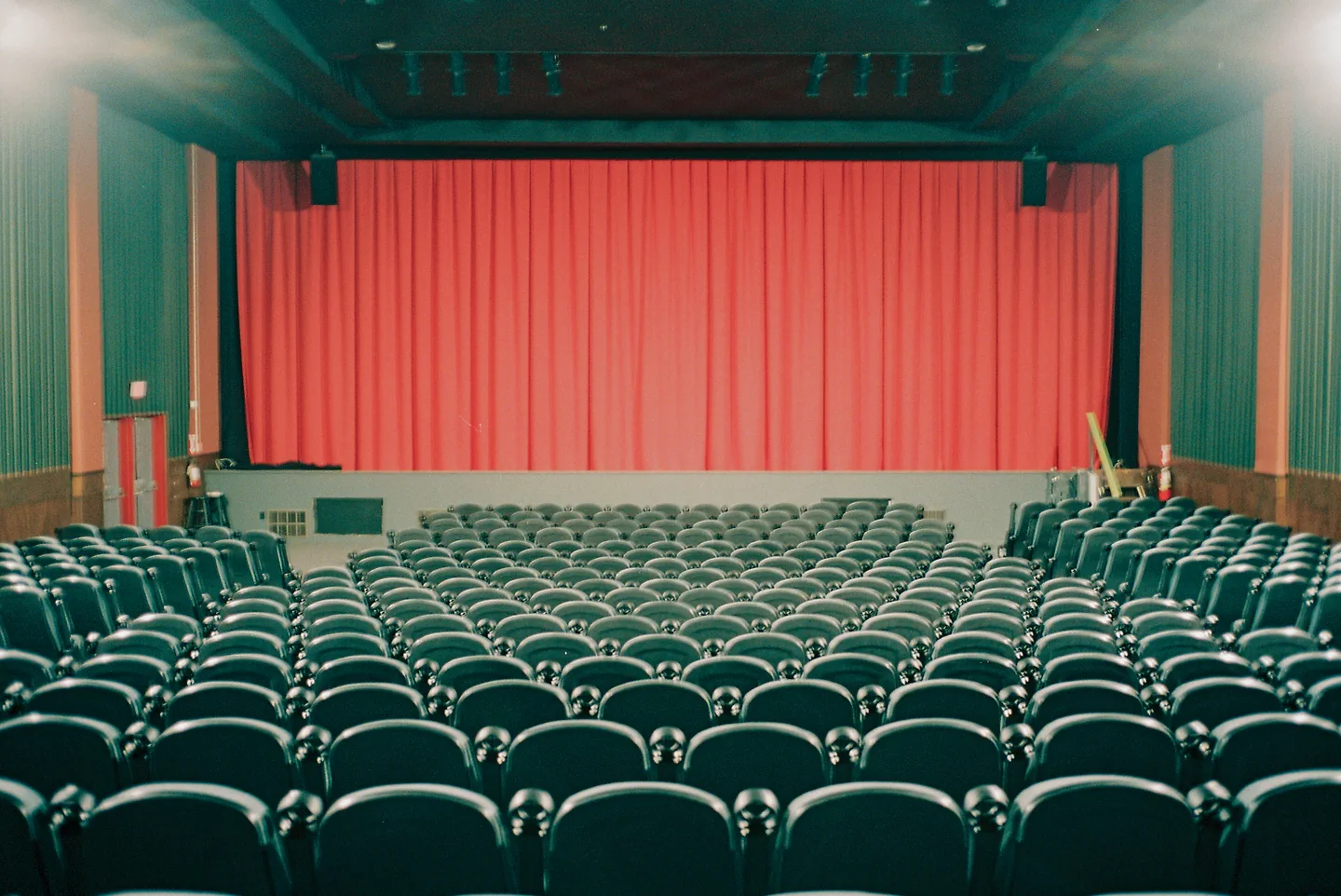
Odeon’s brand-new Park, meanwhile, debuted with Model Wife, featuring Joan Blondell and Dick Powell, and The Flame of New Orleans, starring Marlene Dietrich. For the next 84 years, the Park was a stalwart anchor of what came to be known as Cambie Village, changing hands several times but stubbornly refusing to die. That seemed destined to change on October 22 of last year, when its then-owner, Cineplex Entertainment, announced that it would be shuttering the venerable cinema.
This led to an inevitable public mourning and a few heartfelt, albeit premature, obituaries. As it turned out, a team of all-star investors had been working behind the scenes to keep the Park alive months before the public even knew it was slated to close.
These are industry movers who hold the conviction that, yes, there is still a place for independent, single-screen movie theatres in 2026 and beyond. Moreover, they have invested in improvements—not just cosmetic upgrades but technological ones—that they believe will enable the Park to do more than hold its own in an age of megaplexes and streaming services.
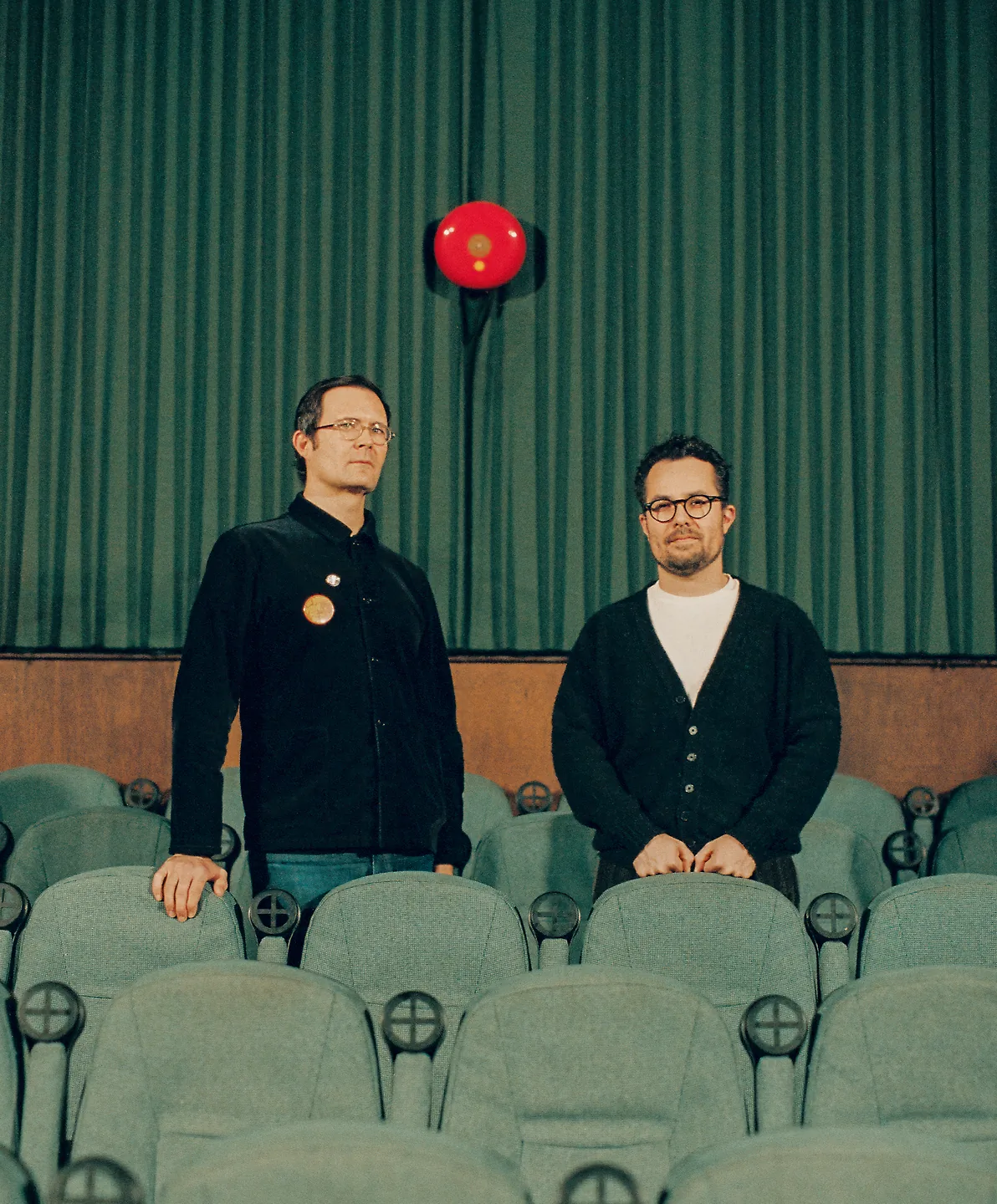
On October 27, a press release announced that local producer Chris Ferguson, president of Oddfellows Pictures, had put together an impressive roster of film-industry financiers to keep the Park alive. The roll call of investors included, among others, Ferguson’s partner in Phobos Pictures, writer, director, and actor Osgood Perkins; horror auteur Mike Flanagan (Doctor Sleep, Netflix’s The Haunting of Hill House); the Academy Award-winning team of Sean Baker and Samantha Quan (Anora, Red Rocket); director Zach Lipovsky (Final Destination: Bloodlines); and Stranger Things star Finn Wolfhard.
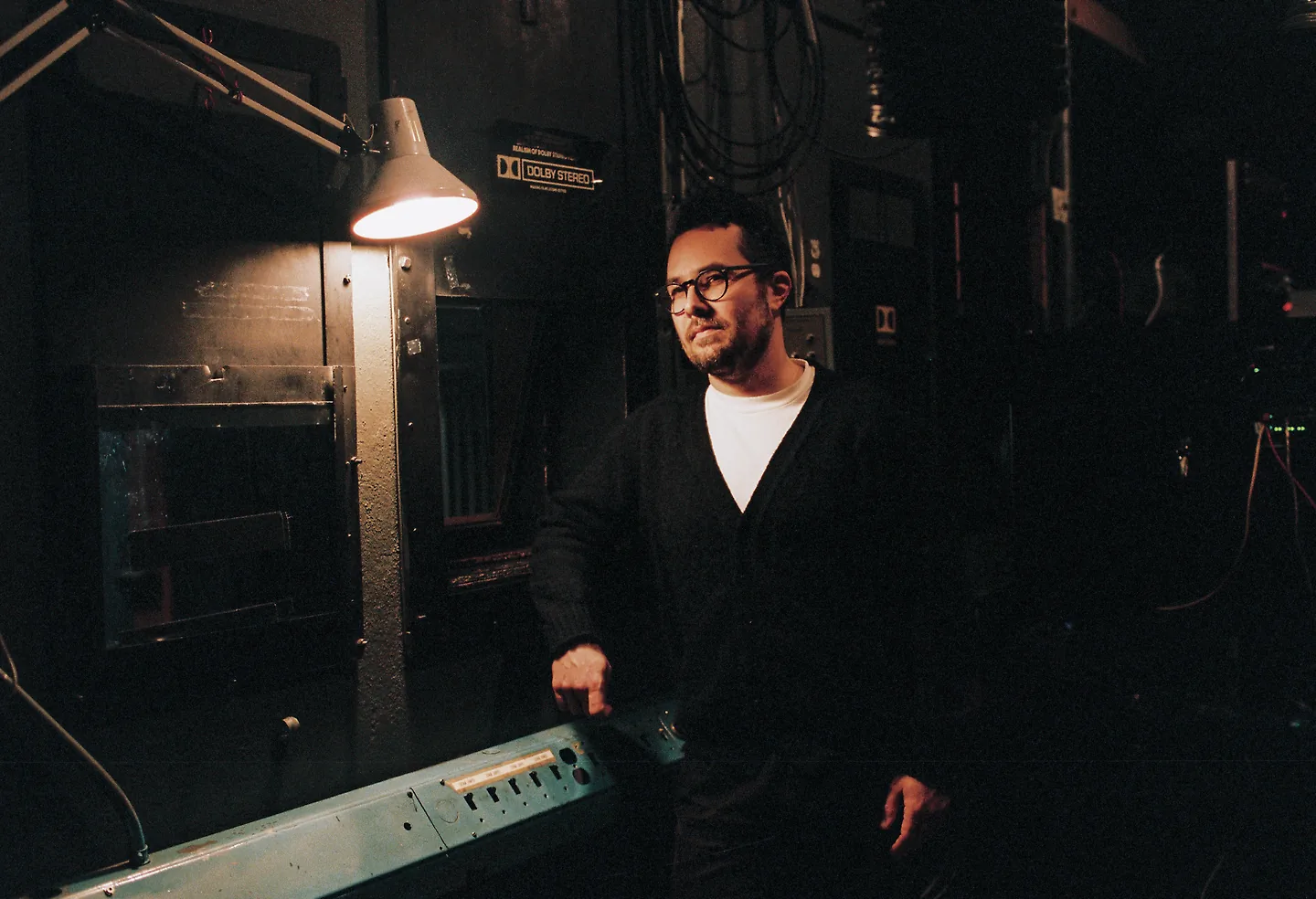
Oddfellows Pictures president Chris Ferguson inside the Park Theatre.
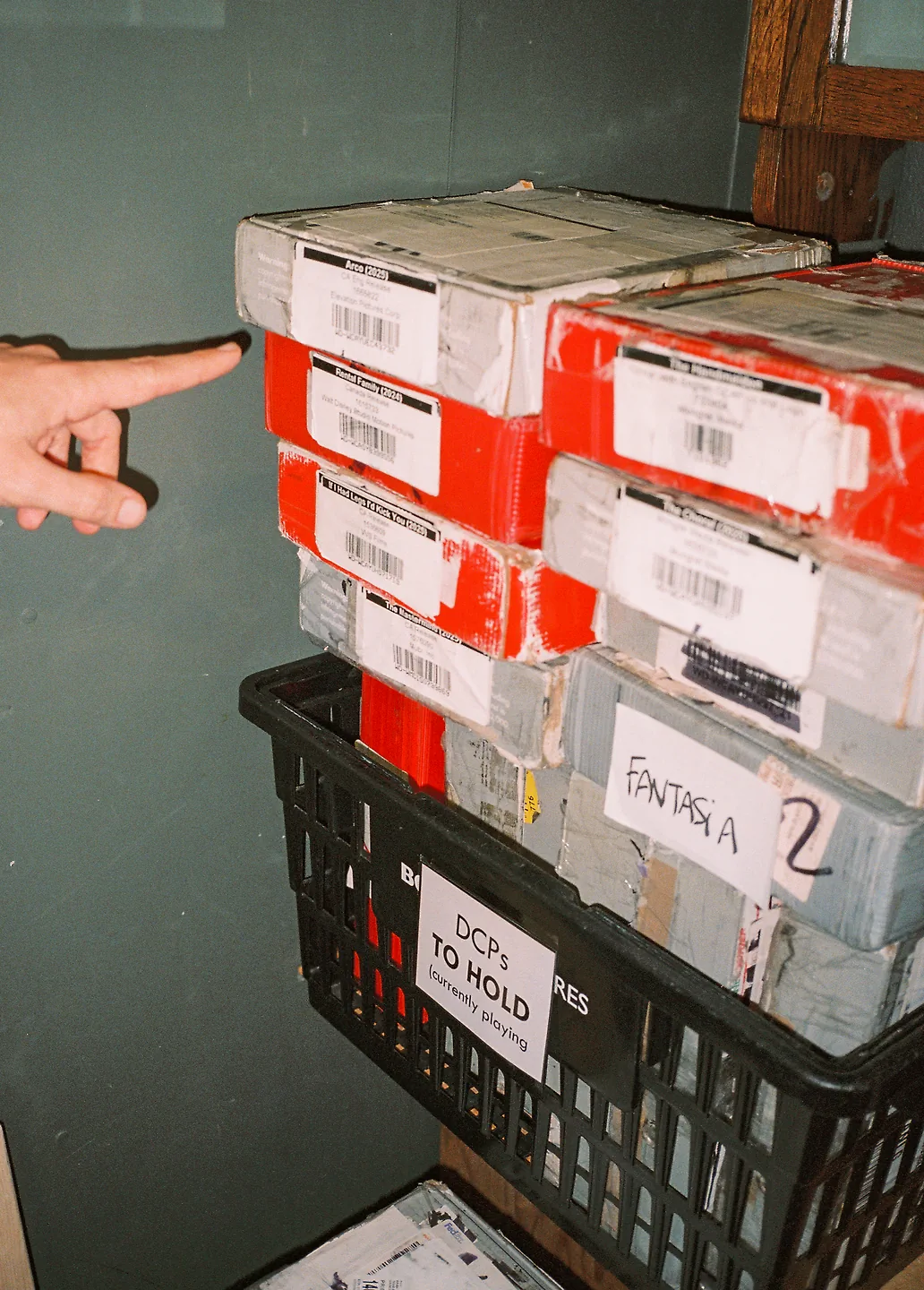
These movie-biz avengers assembled at what seemed like record speed, but the save-the-Park project had actually begun back in August, according to Corinne Lea, CEO of the Rio Theatre. The property manager had approached Lea with the news that Cineplex was not renewing its lease and asked if she might be interested. The answer was a resounding yes, but Lea soon realized that keeping the Park going would be a little more complicated than simply picking up where Cineplex left off. There was, for example, the matter of the aforementioned 70mm projector, which Cineplex opted to pack up and cart off.
Even Ferguson (who Lea had contacted when she realized the scale of the project) and his crack investment crew were intimidated by the prospect of walking into an empty shell that had once held a movie theatre. “We were like, ‘Okay, great, we have this opportunity to save this theatre. Let’s go do it.’ And when we found out they were going to take all of that stuff, it was very disheartening. It felt like it wasn’t going to be possible,” Ferguson recounts.
“And then we realized that, instead of sitting around being bummed that we were going to lose this old projector—and the old digital projector, and all these things they were taking—it was an opportunity for us to refresh the space, and the space needed it. Maybe at the end of the day we’re thankful that they took all those things, because now we have way better things and way better technology.”
“I would say we’ve dramatically improved the picture and sound from what was happening here before, even on a very basic level.” —Chris Ferguson
In the end, Cineplex didn’t entirely empty the place out—the seats were left behind. The Park had been stripped bare before, though: in 2005, then-owners Alliance Atlantis and Famous Players pulled up stakes—and essentially everything else. Vancouver International Film Festival founder Leonard Schein, whose company Festival Cinemas had operated the Park throughout the 1990s, returned to lease the Cambie Street institution, only to find a thoroughly denuded space.
Schein spent over $300,000 renovating, installing a new screen and Dolby Digital sound system, as well as new seats, flooring, and lights. That was 20 years ago, of course, and when Cineplex Entertainment acquired the Park in 2013, it appears that the theatre’s upkeep ceased to be a priority.
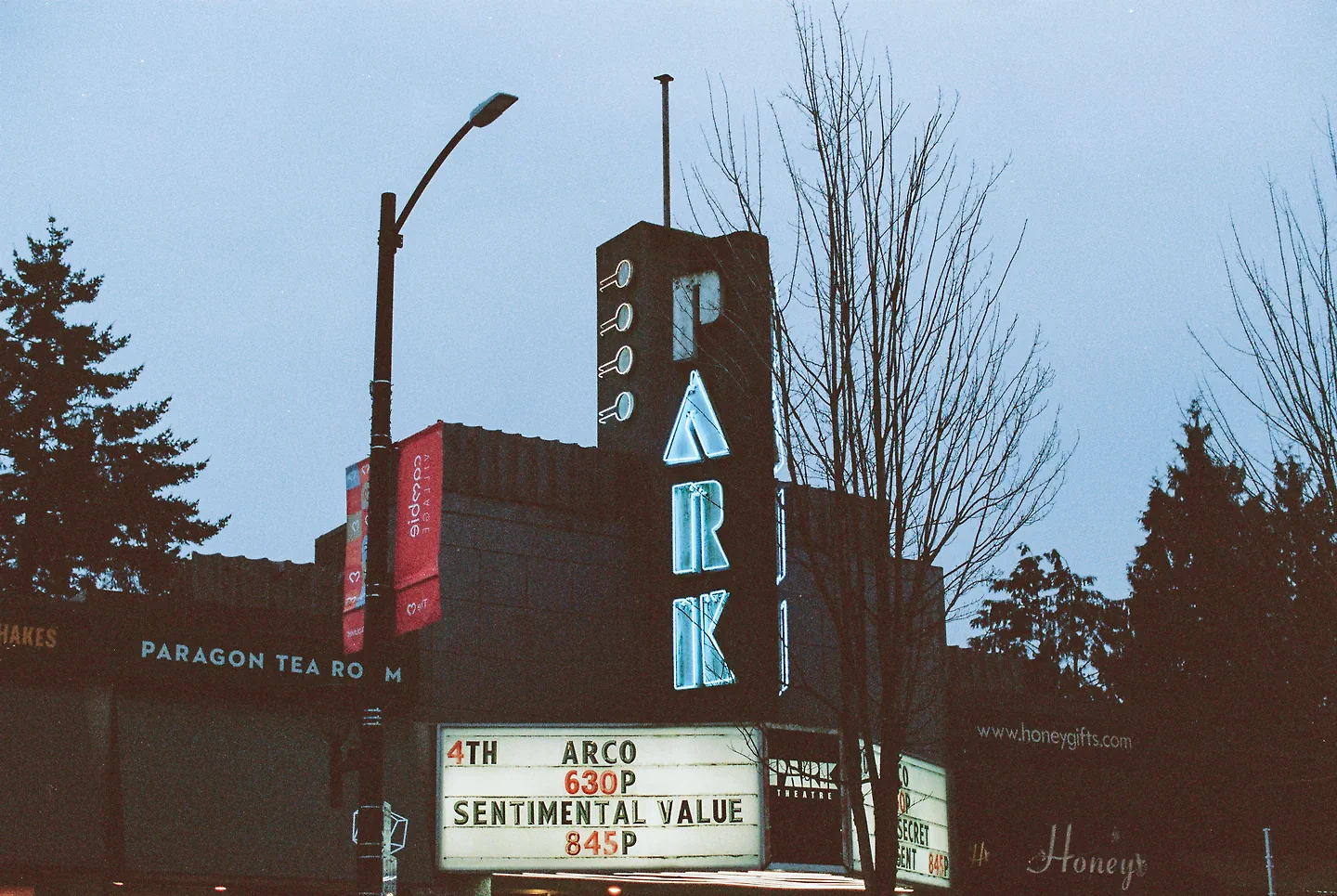
Working with designer Scott Cohen, the new team has repainted and spruced up the lobby and concession area as well as restoring the Park’s neon sign, which had fallen into disrepair. While all of that makes for a more inviting space, the most critical changes are the ones that moviegoers will only notice once the lights go down and the film begins.
“I would say we’ve dramatically improved the picture and sound from what was happening here before, even on a very basic level,” Ferguson notes as he shows off the upgrades, accompanied by Worden and sound designer Eugenio Battaglia. (Battaglia has worked on several Oddfellows Entertainment features and is also an investor in the Park.)
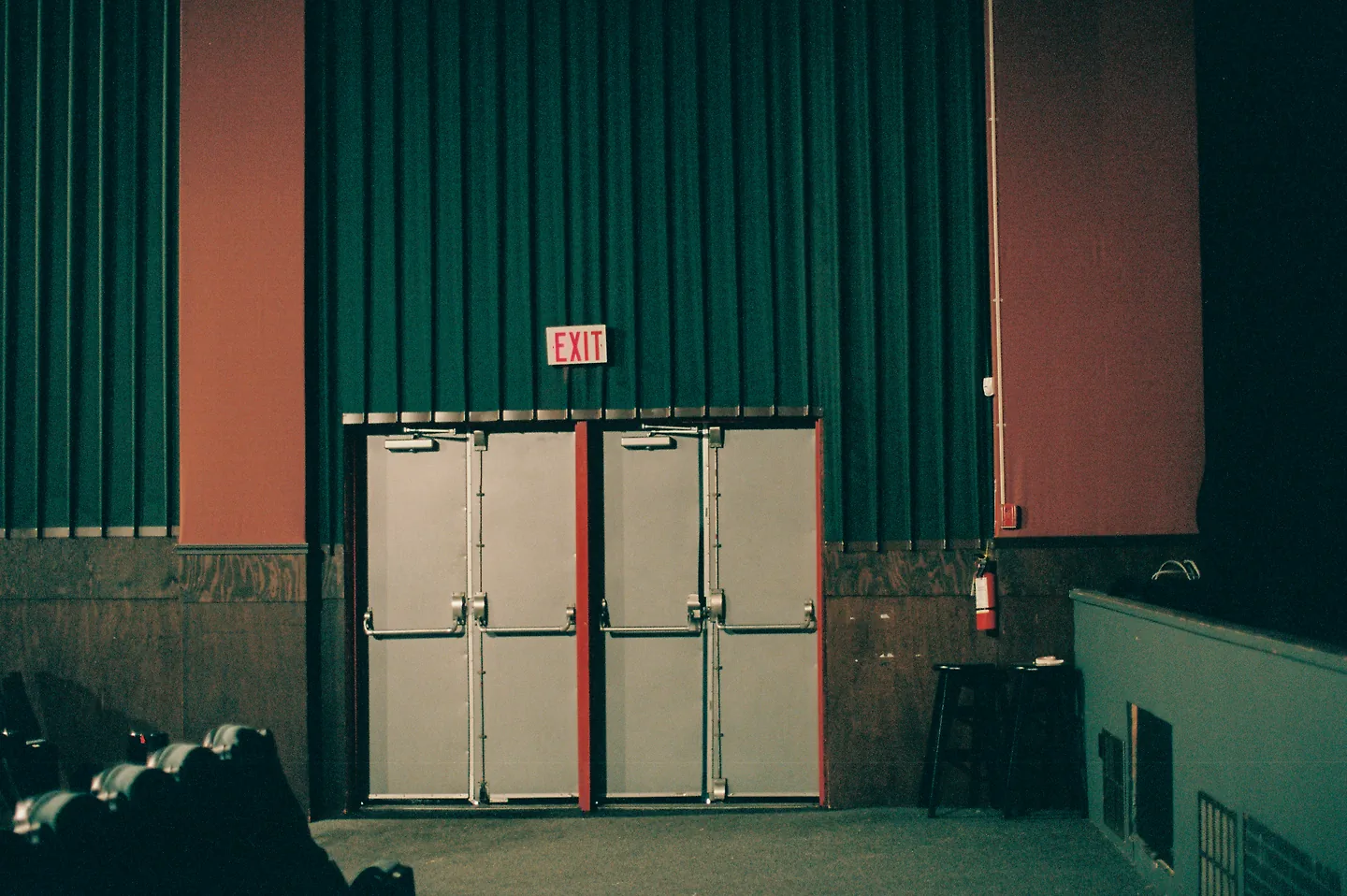
The screen they inherited, Ferguson explains, was silver and reflective—a 2.0 gain screen—designed for 3D projection. “But we’re not focused on 3D movies, and having that reflective screen means that any little extra bits of light in here, like the Exit signs or whatever, gets picked up in the black and makes everything that’s not a 3D movie just more muddy.”
That screen, which Ferguson says was also stained and had a visible seam, has been replaced with a zero-gain screen, which provides a considerably improved picture quality, especially when combined with a new 4K digital projector. It’s a Christie CP4420-RGB, to be precise. If you’re in the market for one, however, you should note that it will cost you more than $100,000.
“It’s one gigantic laser that gives the most crisp, precise image that modern technology can provide,” Worden says. “Studios are still catching up to the technology, so there’s definitely some hemming and hawing from the studio side about the laser technology coming out, but from an audience perspective, it is as crisp an image as money can buy.”
It is, according to Ferguson, a better projector than any megaplex in town possesses. Mind you, not every improvement has required such a major investment. During previous ownership, someone had made the decision to push the behind-the-screen speakers on each side past the edges of the screen. This situated them behind the heavy curtains, meaning that there were audible differences in sound quality between the side speakers and the centre ones—the sound placement didn’t match the image.
Battaglia says this was particularly apparent during scenes in which a character or object moved from one side of the screen to the other. The solution was a simple one: moving the side speakers back where they belong. “If the sound is moving, you would hear it panning across, and right now, it would be seamless,” Battaglia says, “whereas before, it would sound a bit muddy, then clear, then muddy again, and too wide for the picture.”
A switch from 5.1 to 7.1 surround sound has also made a significant impact on the space, and while those numbers might not mean much to the average moviegoer, Battaglia says they translate to a more immersive experience. “There’s less distortion, there’s more dynamic range, it’s less compressed, more clean: just in general more accurate to the source,” the sound designer explains.
Even before it became apparent how much better the Park could become, investor Sean Baker didn’t need much convincing that saving one of Vancouver’s longest-running movie theatres was a worthy undertaking. The L.A.-based filmmaker says this city is like a “second home” to him and his wife, producer Quan, who was born here.
When he received his best-director Oscar for Anora last March, Baker used his acceptance speech as an opportunity to issue an impassioned “battle cry” on behalf of movie theatres in general and independently owned ones in particular.
“In a time in which our world can feel very divided, this is more important than ever: it’s a communal experience you simply don’t get at home,” he said at the time, noting that many theatres didn’t survive the COVID-19 pandemic. “And we continue to lose them regularly. If we don’t reverse this trend, we’ll be losing a vital part of our culture.”
Baker called on his fellow filmmakers to keep creating movies for the big screen, asked distributors to focus “first and foremost” on theatrical releases, and urged parents to introduce their children to feature films in movie theatres.
“In the world that we live in now, the idea that there could be something that you’re doing deliberately special is still a magical one.” —Osgood Perkins
“Independent movie theatres were already struggling before COVID and the advent of streaming, just because of multiplexes and the exclusivity that they sometimes get when it comes to first-run features,” he elaborates over the phone from L.A. “So for decades now, the independently owned theatres have been struggling to stay alive. The battle to keep them alive has been going on for a while, and I just wanted to take that opportunity that I had to say something that I think the whole industry has wanted to say.”
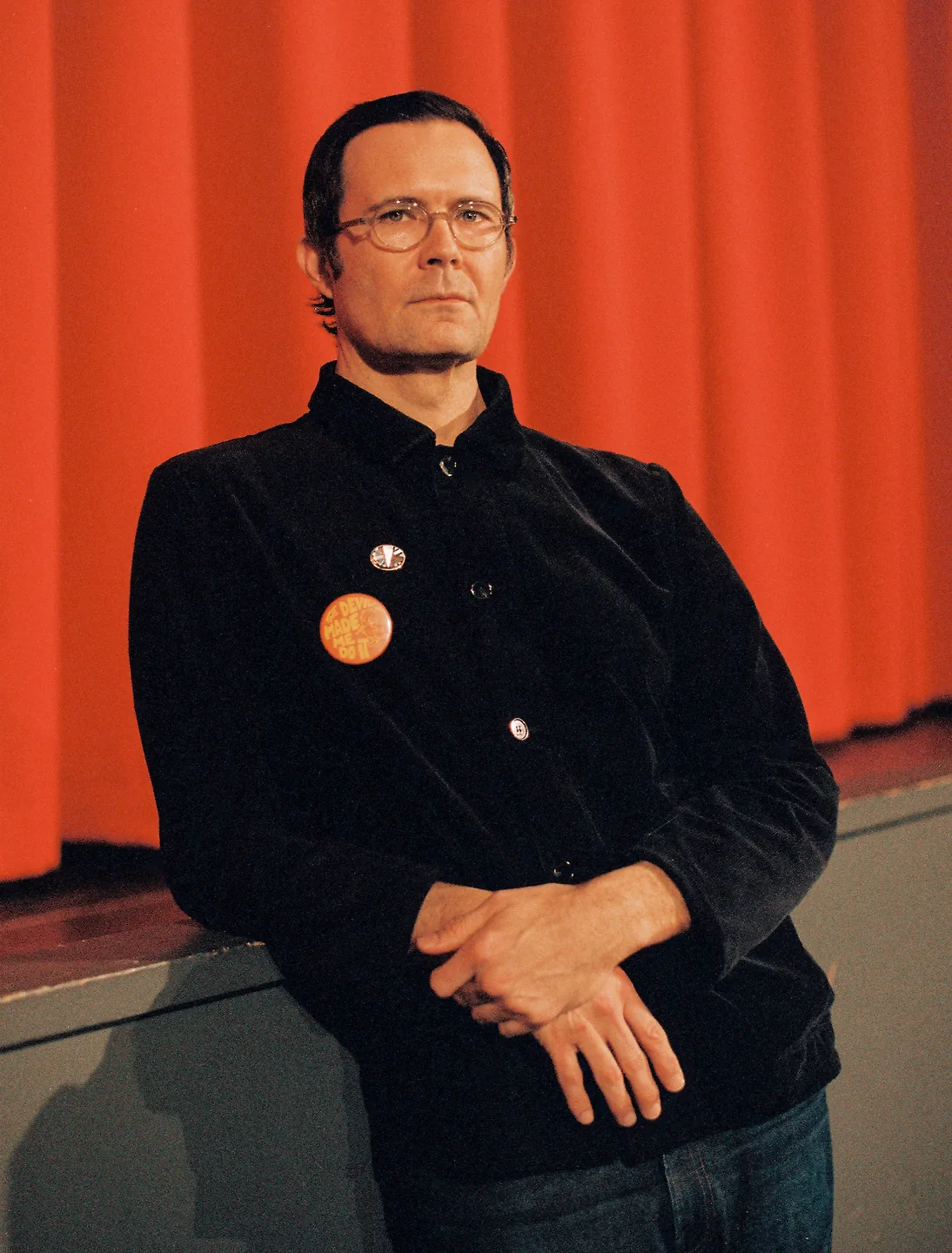
Osgood Perkins.
Perkins is also a true believer in the worth of single-screen indies. Born in 1974, the filmmaker is precisely the right age to have witnessed the rise of the multiplex and the megaplex. The writer-director of The Monkey and Longlegs, who moved to Vancouver in 2022, grew up around the film industry, as the son of actors Anthony Perkins and Berry Berenson.
“I think the hope is that, for younger generations that were raised on multiplexes, to now adjust their mindset and to see going to the movies as something special, not something that’s sort of ‘off the rack’ like a product—which you can feel like in a multiplex. You’re like, oh, it’s a menu: ‘What are my choices?’ If you go to a theatre where one thing is playing, it’s sort of this deliberate affair that you’re having, and it feels very different.”
The decision to go out to watch a specific movie and to make an event of it harks back to a prior era, Perkins suggests.
“People used to get dressed up to go to the movies, right? You used to wear your best hat and your best clothes in the ’50s and the ’40s and the ’30s, let’s say, when it was time to go to the movies. It was like time to go to church or time to go to see the king or the queen. It was literally that. In the world that we live in now, which is littered with commonality and generic garbage, the idea that there could be something that you’re doing deliberately special is still a magical one.”
For his part, Baker sees glimmers of hope among members of younger generations, for whom something like the Park Theatre offers a social opportunity that they won’t find at a shopping mall. “I think we’re witnessing this globally, where Gen Z are actually very interested in the moviegoing experience, the theatregoing experience—but also specifically very interested in repertory cinema,” Baker says. “It’s wonderful. I think the Park is going to be there to service the budding cinephiles of Gen Z and Alpha generations. Where’s the place that young people can go and experience something together with their friends? It might just be this thing that’s been with us all along, you know? The theatregoing experience. So I’m really hopeful.”
The Park’s aim—with the programming nous of The Rio’s Rachel Fox—is to present a wide variety of such experiences, one movie at a time. It’s a something-for-everyone approach—whether art-house aficionados, horror buffs, gamers, kids, or fans of popcorn flicks—designed to set the Park apart from other independent theatres around the city.
“The Cinematheque is very cinephile-focused, and I think serves that crowd really well and does such a phenomenal job with that,” Ferguson says. “I think what we’re going to be doing is a little bit different. It’s a little bit of a broader audience that we’ll be approaching. But it is people who love cinema, right? If you love cinema, and you go to the Park Instagram, and you look at what’s playing this week, there’s probably six different movies that you would love to go see.”
Perkins likens the experience to that of dining at a restaurant and having an experienced sommelier on hand to help navigate you through the phone-book-sized wine list.
“I think that if we can always have a great movie playing, it honours the idea that there’s all kinds of great movies—new, old, black and white, big-budget, no-budget, English, not English—in the same way that there’s such a variety of music, and people sort of bounce around on their music libraries from genre to genre, from taste to taste,” he says. “I think it’s fair to say that movies have the same span.”
If that’s the niche that the Park Theatre is destined to fill in the cultural life of the city, it will join the ranks of other reinvigorated movie palaces across the continent.
“I just think it’s cool that Vancouver, which is such a massive film city in certain ways, can start to have these kinds of spaces,” Ferguson says. “If you’re in L.A., the film industry is getting behind these old theatres and saving them.”
Indeed, Baker and Quan themselves have been aiding efforts to keep the Gardena Cinema in operation. First opened in 1946, the Gardena has been owned by the same family for 50 years and is the last single-screen movie theatre in the South Bay region of Los Angeles County. Also in L.A., Quentin Tarantino owns a pair of historic movie houses, the Vista Theater and the New Beverly Cinema.
Perkins points to the latter as a possible model for the Park’s own ambitions. “They have a personality about what they show, and people go there in droves,” he says. “I think if we can emulate the success that Tarantino had with the New Beverly in Los Angeles, I think that’s a great target, just because it does business. Which at the end of the day is what we’re trying to do. We’re trying to give people something they want. It’s not about us making money. It’s about offering something to the public that the public is excited about. No one’s going to get rich off the Park Theatre, but I think that the culture of Vancouver could easily get rich off of the Park Theatre.”
Read more from our Spring 2026 issue. Photographer’s assistant: Donnel Garcia.