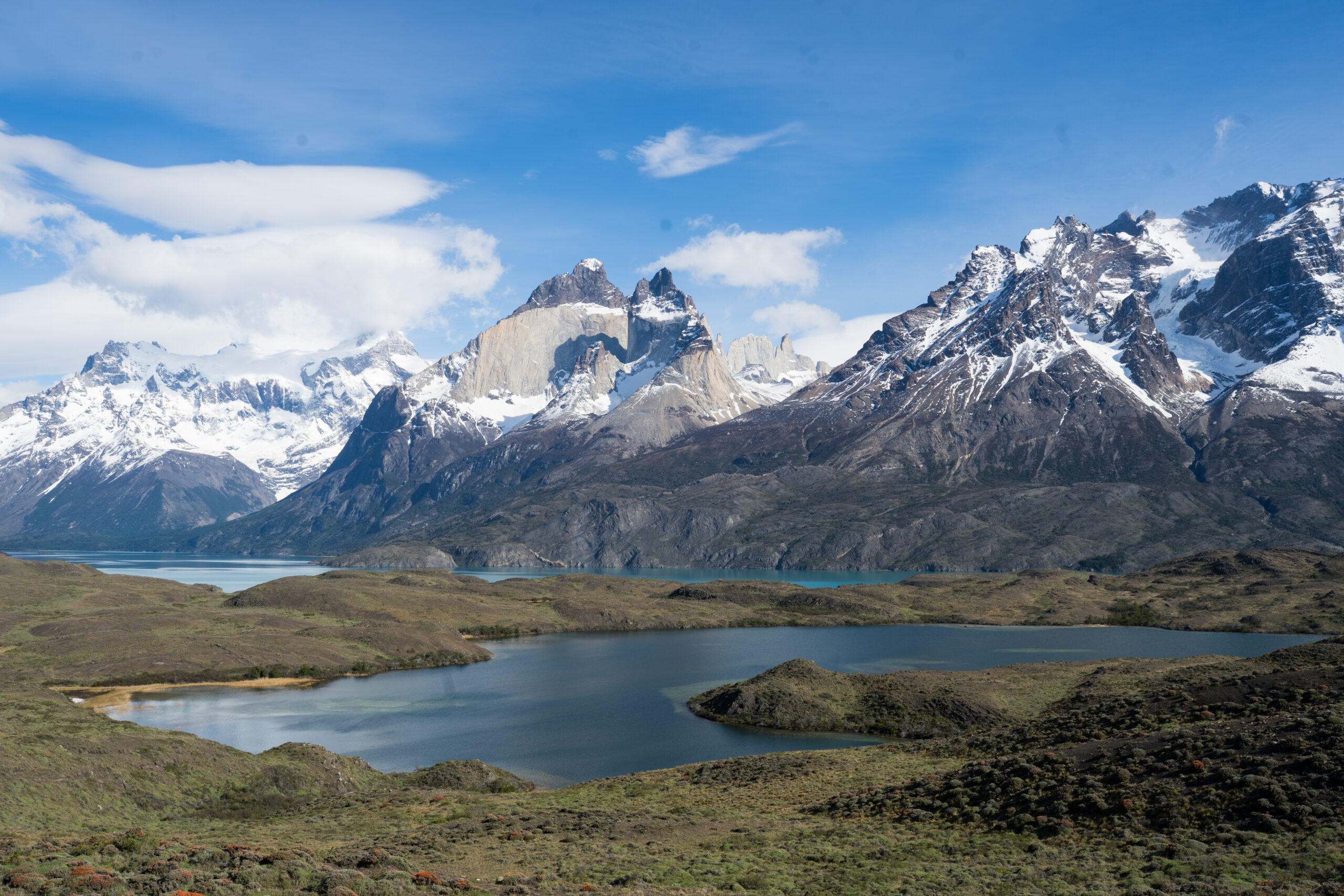


Nudging my horse into a gentle canter, I breathed deeply as we set off across the Patagonian steppe. A short time earlier, Matías, a traditional baqueano (guide) had led our group up a winding path to a viewpoint of the spires of Torres del Paine. Here the legendary towers rise with an almost mystical presence, seeming less like peaks and more like sentinels.
Matías pointed to faint lines etched into the grassland at the base of the towers—routes once used by the Tehuelche/Aónikenk people as they tracked guanaco beneath the cliffs and later followed by baqueanos as they tended their cattle herds.
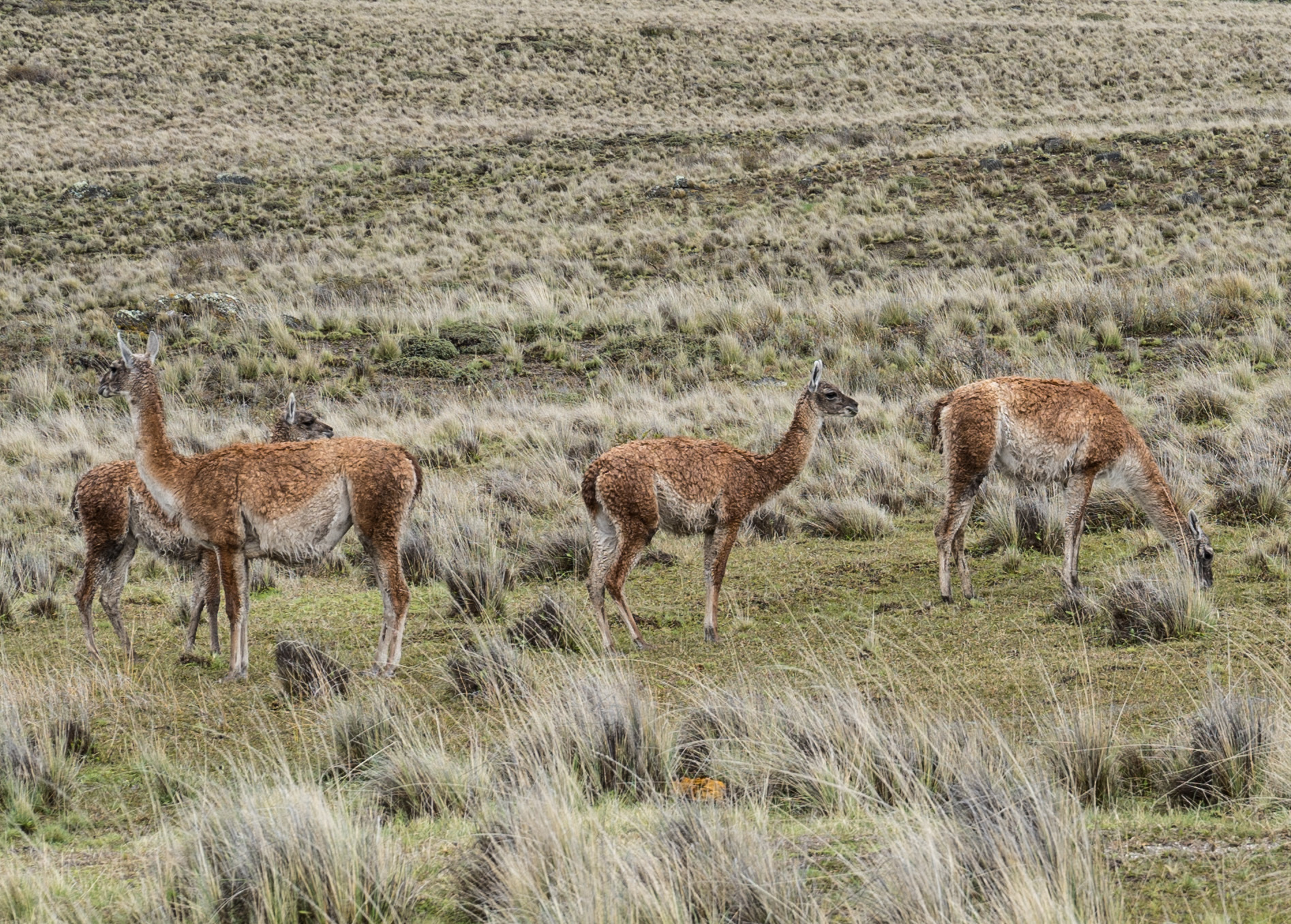
The wildlife in the national park includes guanacos, wild South American camelids and the primary prey for Patagonian pumas.
When I first dreamed of a trip to Torres del Paine National Park in Chile—long famed for its multiday W and O treks—I imagined tent camping and punishing days on the trail. Then a foot injury forced me to reevaluate my abilities, and I resigned myself to the idea that I might only ever glimpse the peaks from a tour bus window.
Fortunately, as outdoor adventure has grown more mainstream, a new kind of low-key luxury has found its way into rugged wilderness destinations. In South America, Chilean Patagonia has emerged as a leader in this evolution: pairing accessible exploration with conservation-driven tourism, meaningful cultural context, and the comfort of thoughtful cuisine and a soft bed at the end of the day.
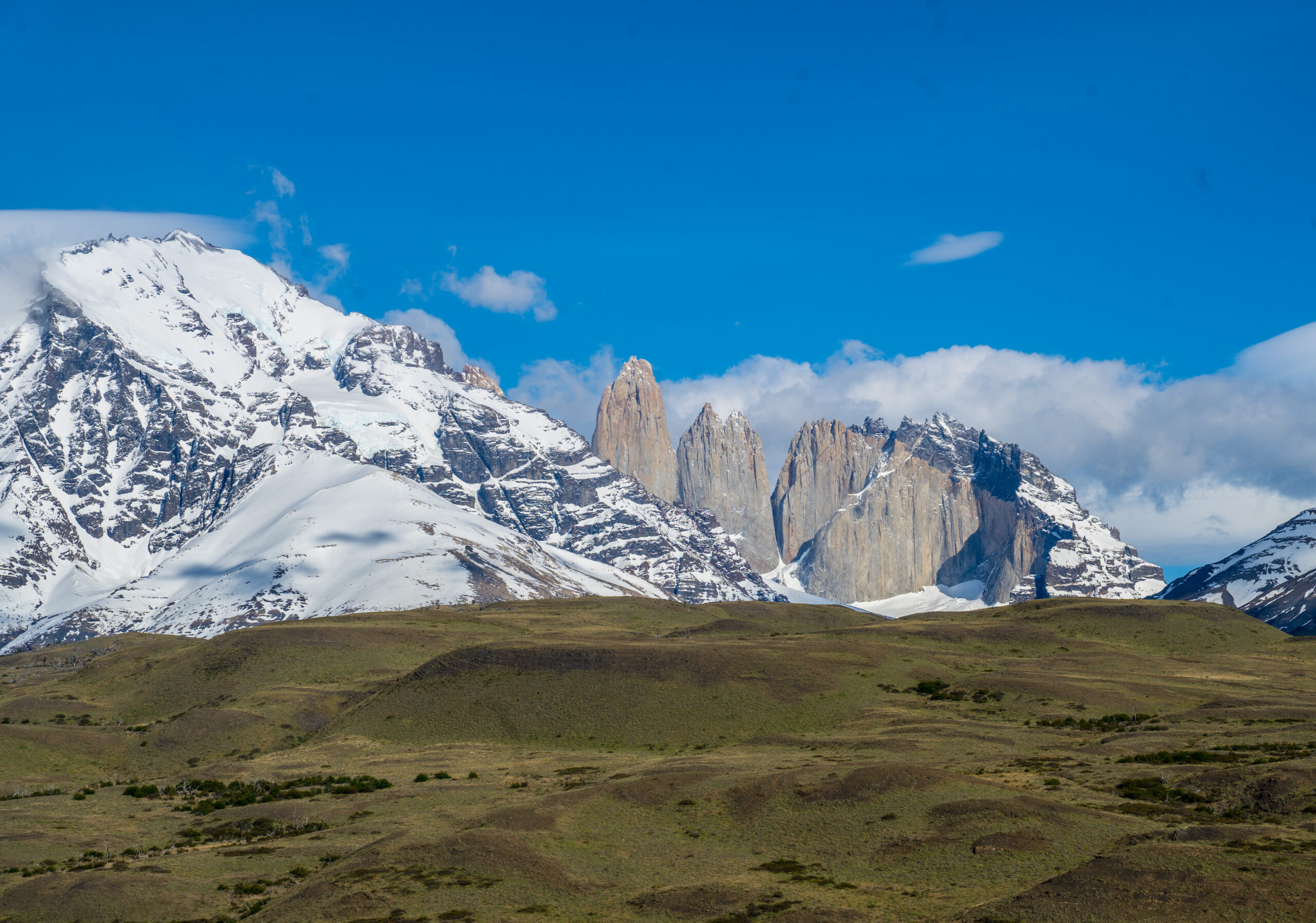
The Torres del Paine is a group of three distinctive granite peaks ointhe Paine mountain range or Paine Massif.
At the heart of this shift is Hotel Las Torres Patagonia, a family-owned estancia (ranch) in the national park. While the hotel has long provided outfitting support for multiday hikes, its all-inclusive model offers something different: guided day trips by foot, boat, and sure-footed criollo horse that open the landscape to a wider range of travellers.
Reaching the edge of a cliff, Matías once again pulled up his reins, pointing out the tumbling Río Ascencio far below. A fresh breeze carried the earthy scent of spring, and beyond the river the Ascencio Valley unfurled past the hotel’s black-roofed buildings toward lakes and scrublands where yellow calafate, pink armeria, and red firebush were blooming.
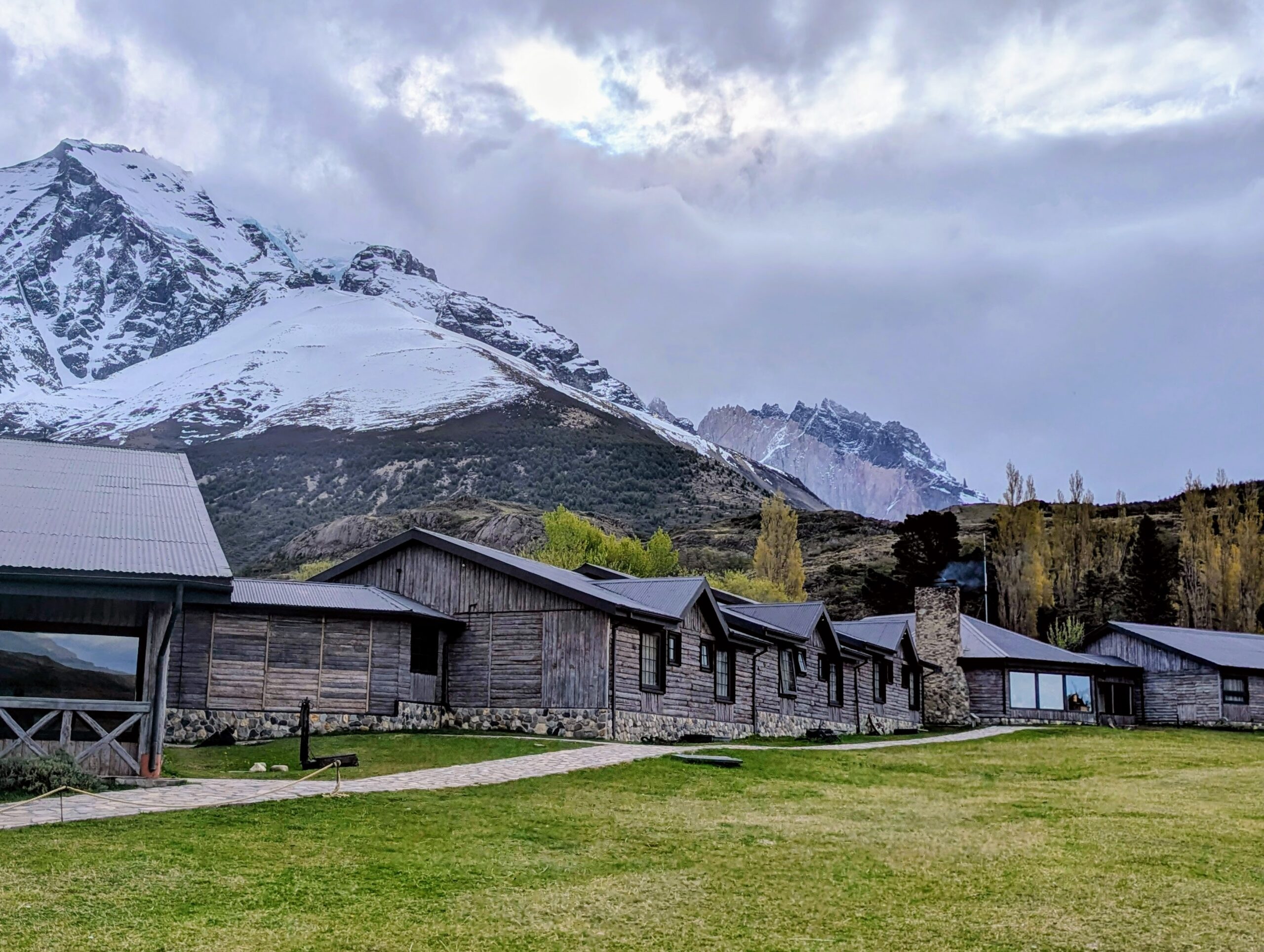
Family-owned Hotel las Torres began life as a working ranch and has since become a model of sustainable tourism.
Torres del Paine lies 112 kilometres north of Puerto Natales, between the Andes and the Patagonian steppe. Chile first protected part of this landscape in 1959 as Parque Nacional de Turismo Lago Grey, an early effort to safeguard its dramatic scenery. In 1970, it was renamed Torres del Paine National Park, and trekking routes were formalized as refugios and campsites emerged to meet a growing interest in mountaineering and long-distance hiking.
On the ridge across the river from us, I watched as a few of those hikers slowly trudged up the slope, then we nudged our horses onward. Looping back down, I listened as Matías talked about the life of the baqueanos who once ran cattle and sheep in this area. Long before trekking routes were mapped and refugios built, this had been a working landscape.
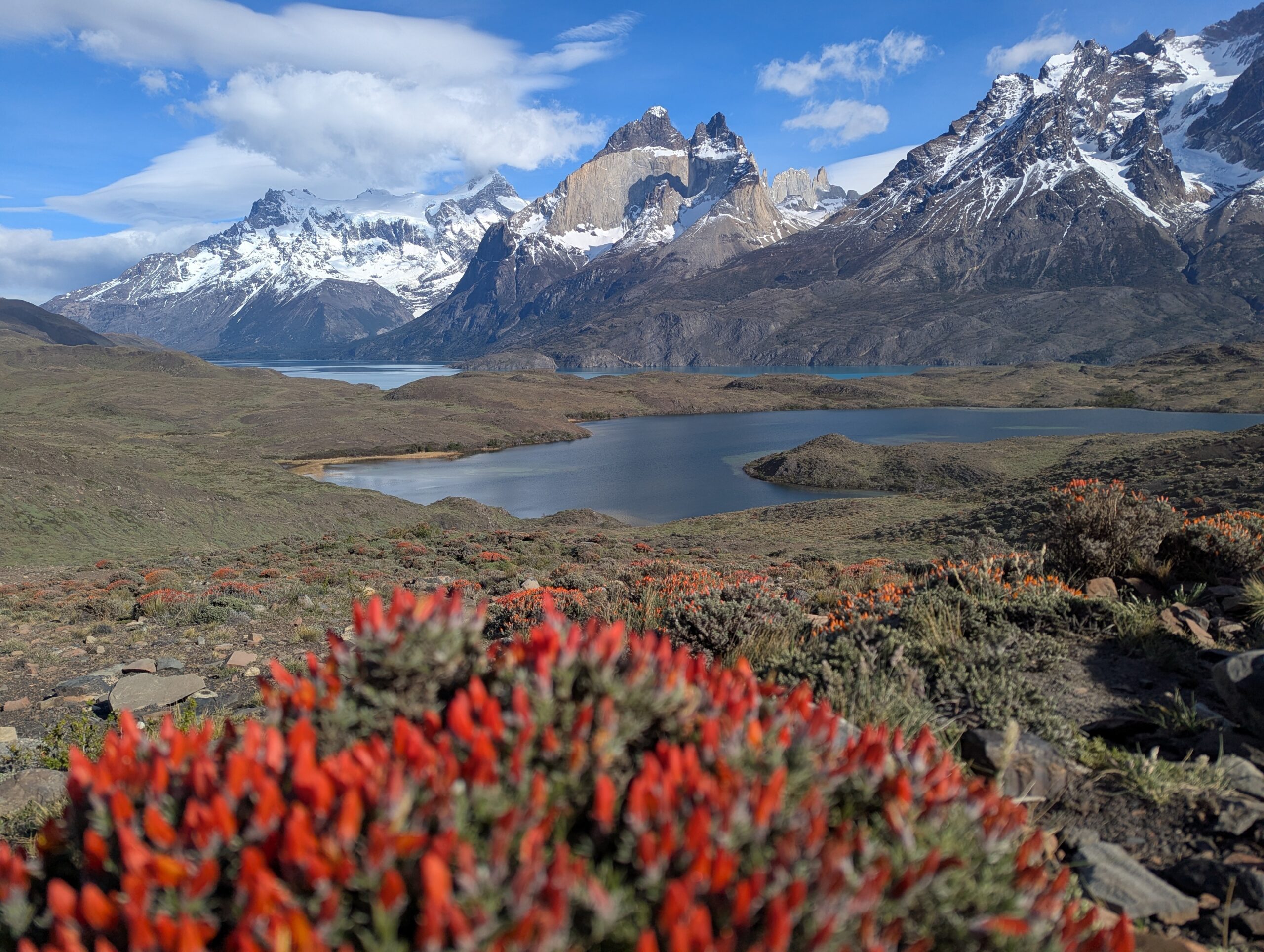
Views of Cordillera del Paine with scarlet gorse shrubs blooming in the foreground.
The story of Hotel Las Torres runs parallel to the park’s evolution. In 1979, Antonio Kusanovic Senkovic purchased Estancia Cerro Paine to expand his family’s livestock operations. As visitors began to arrive in the 1980s, the family adapted, first installing a campsite, then opening a nine-room hotel. Over time, what began as a ranching operation gradually became something more complex: a bridge between working landscape and protected wilderness.
In 2013, the family made a decisive shift to focus exclusively on sustainable tourism and conservation, removing cattle from the estancia and creating a reserve. The move mirrored a broader reckoning across Patagonia, where overgrazing and human-caused fires had degraded fragile ecosystems. Conservation could no longer be peripheral—it had to be central.
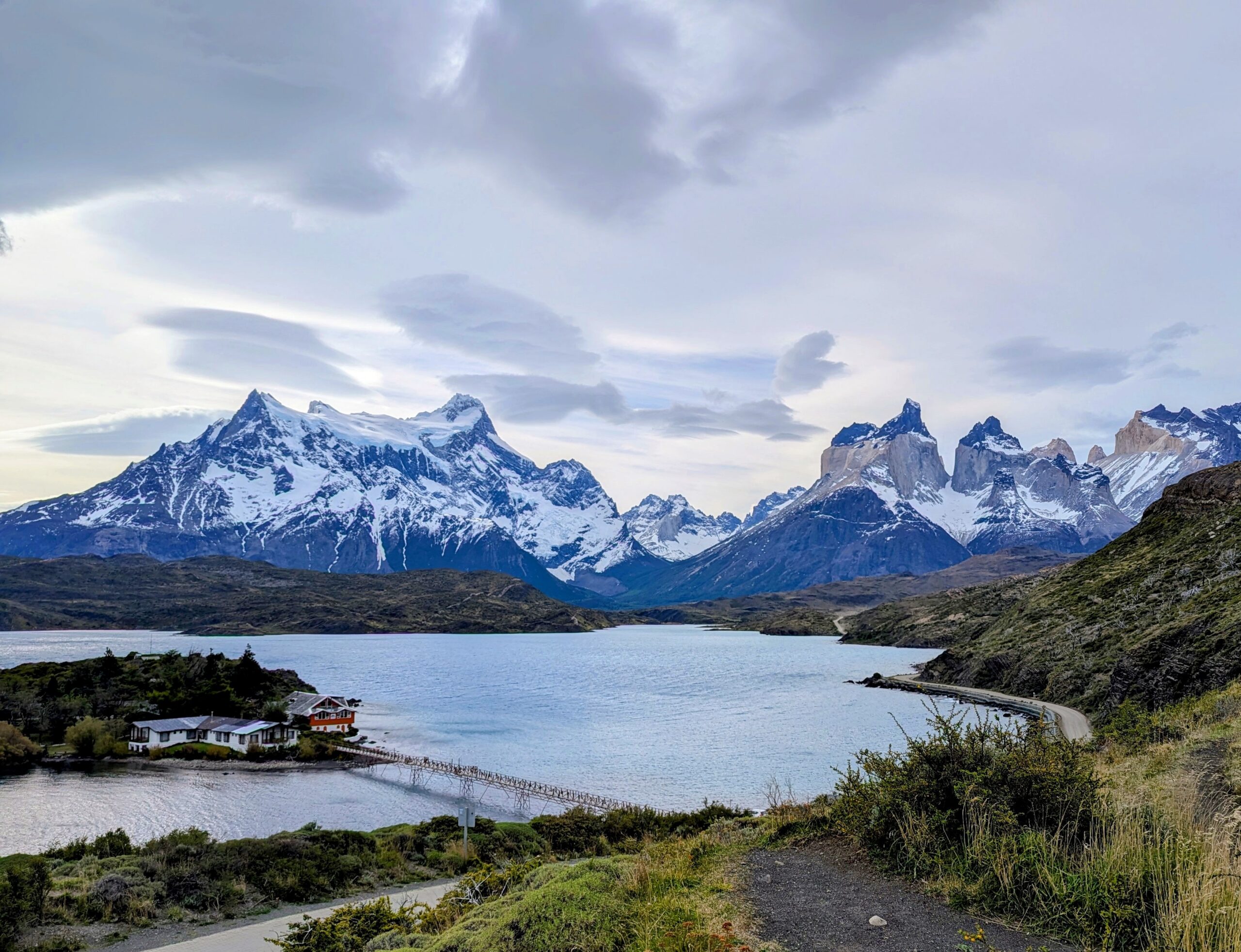
Torres del Paine National Park is home to the Cordillera Paine group of mountains, a group of granite peaks that date back about 12 million years.
Back at the lodge, recent renovations by architect Pedro Kovacic and interior designer Enrique Concha introduced a palette designed to blend into the surrounding terrain—a concept they call Contemporary Patagonia. My room balanced rustic warmth with contemporary comfort: wood beams, thick wool throws, and wide windows framing the Paine Massif. After a day in Patagonia’s mercurial weather, radiant heat and a hot shower felt quietly miraculous.
Refreshed, I headed down the hallway to Bar Pionero. Helmed by Uruguayan mixologist Federico Gil, the bar champions sustainability with local flair. Cocktails infused with calafate berries and native herbs arrive in repurposed glass vessels. Copper straws are handcrafted on-site. Guests can book a master class, learning to mix Patagonia into a glass.
In Coirón Restaurant, the evening meal drew from the hotel’s orchard and greenhouse and highlighted regional dishes: slow-cooked lamb, herb-laced fish stews, and vibrant salads reflecting both landscape and season. Caldillo de congrio, a Chilean conger eel soup, became a favourite at my table.
The hotel’s all-inclusive structure also meant a menu of ways to engage with the park. On a full-day excursion westward, we stopped at Salto Grande, where glacial meltwater thundered between turquoise lakes, then continued to Lago Grey. Aboard the Grey III catamaran, we crossed iceberg-strewn water toward the face of Grey Glacier. Blue ice fractured and groaned. At one point, a slab calved with a cannon-like crack.
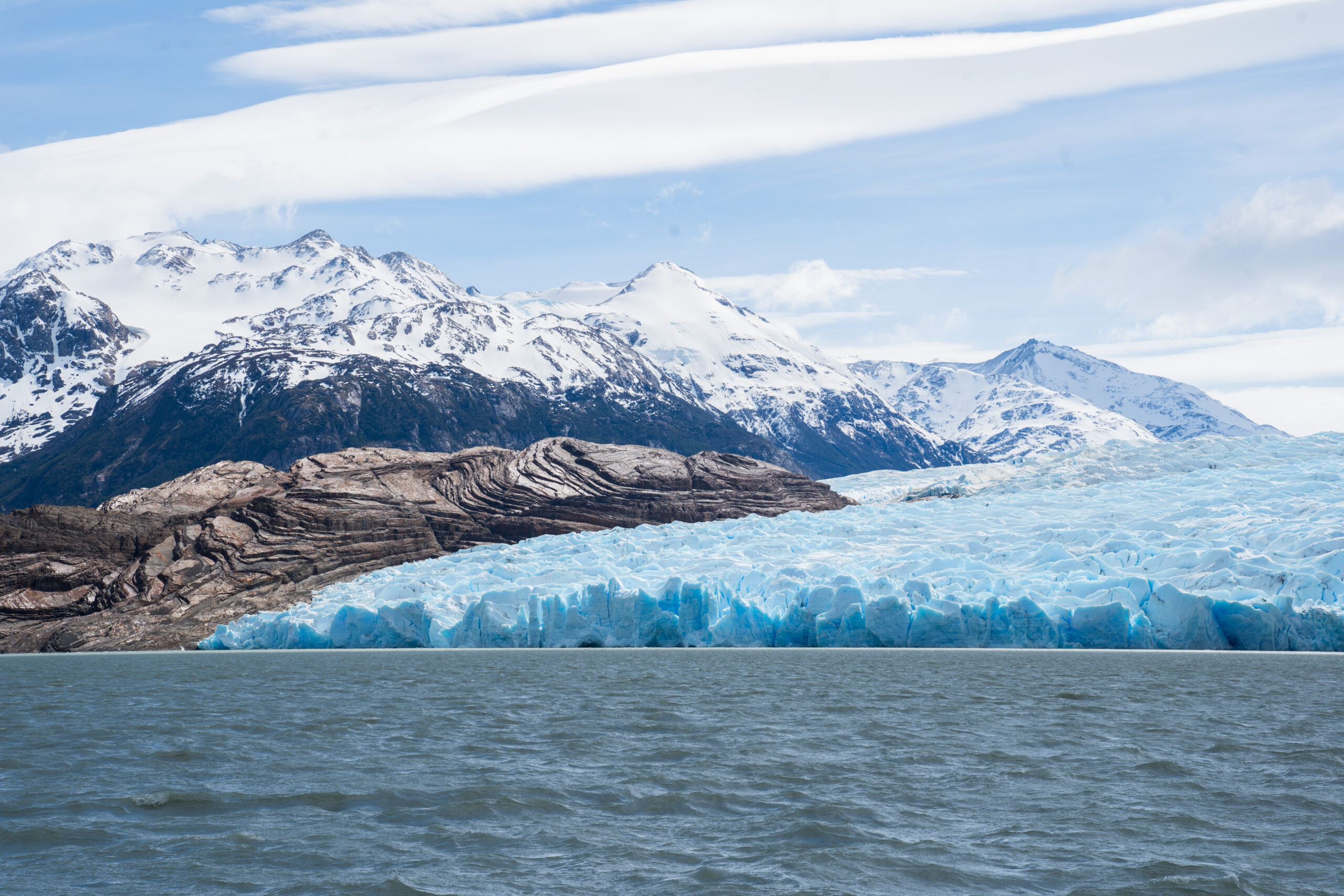
Grey Glacier is a major 270 square-kilometre ice field in Chile’s Torres del Paine National Park and part of the Southern Patagonian Ice Field. It’s currently in a rapid decline due to climate change.
On the return, a walk along the banks of Lago Pehoé revealed sweeping views of the Cordillera Paine—and the scars of past mistakes. Charred Nothofagus forests still stand as reminders of fires sparked by careless visitors. Even stepping off trail can damage root systems that take decades to regenerate. Protection here is active, ongoing, and necessary, and education was part of every excursion I took.
Torres del Paine continues to evolve. Today, travellers can experience it along a spectrum from remote backcountry camps to conservation-focused luxury lodges. Each approach carries its own kind of immersion.
On my final morning, I walked alone along a riverside trail past the stables and campgrounds, into a small patch of forest with tower views. For years, I believed Patagonia required blisters and bravado. And there is something deeply meaningful about moving slowly through a place under your own power, sleeping in a tent, and earning each view step by step.
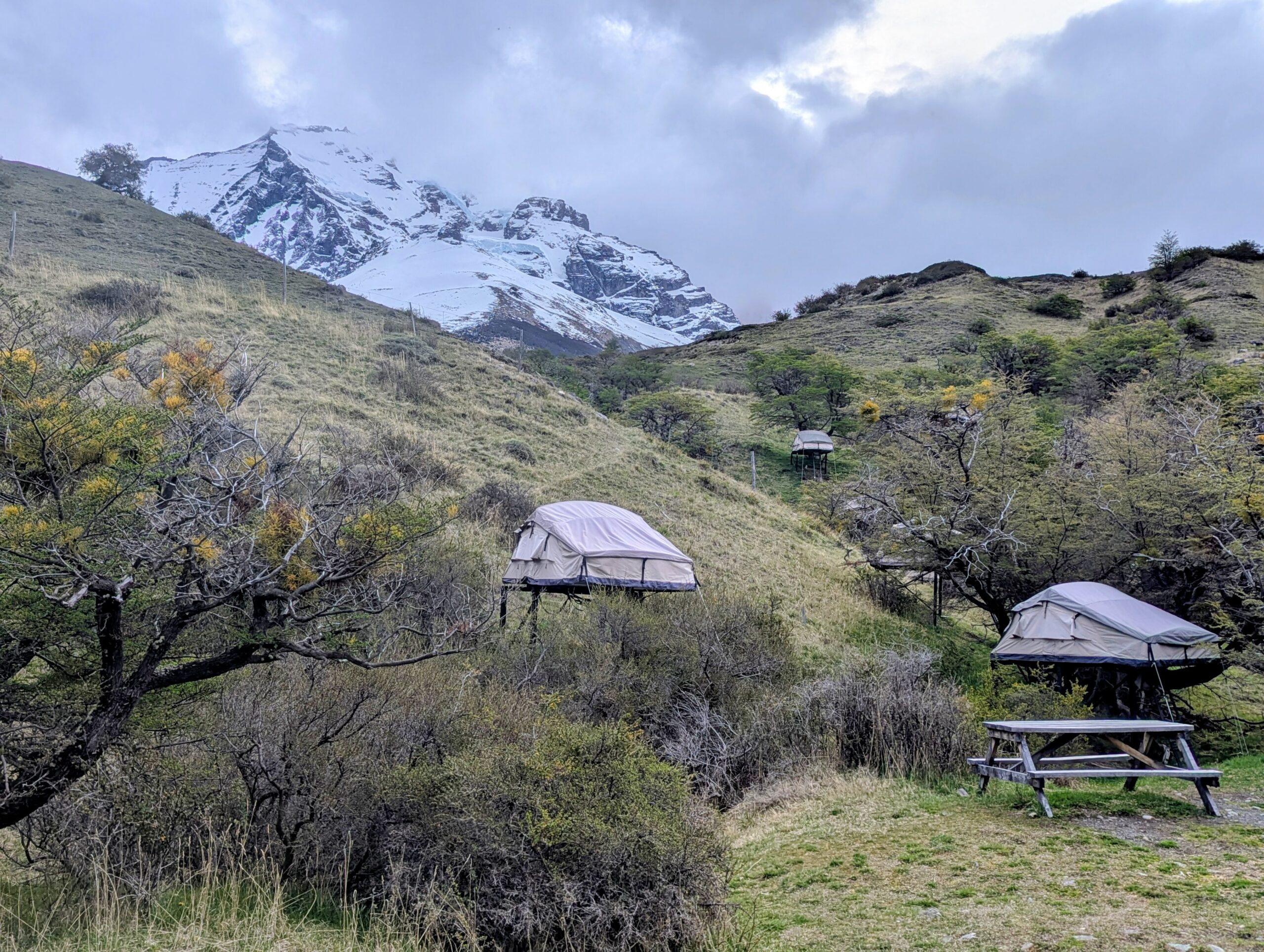
Camps in Torres del Paine come with spectacular views and a range of amenities.
But there is also value in approaches that open access more gently—approaches that create local employment, share cultural knowledge, and support long-term conservation. The chance to listen to a baqueano’s stories, to learn the history written into the land, to return each evening restored rather than depleted—these, too, shape a meaningful connection.
Hotel Las Torres offered me another way into the wild heart of Torres del Paine that honours both the land’s storied past and its fragile future. It reminded me that adventure need not be punishing to be profound—and that how we travel can be as important as where we go.
Read more travel stories.