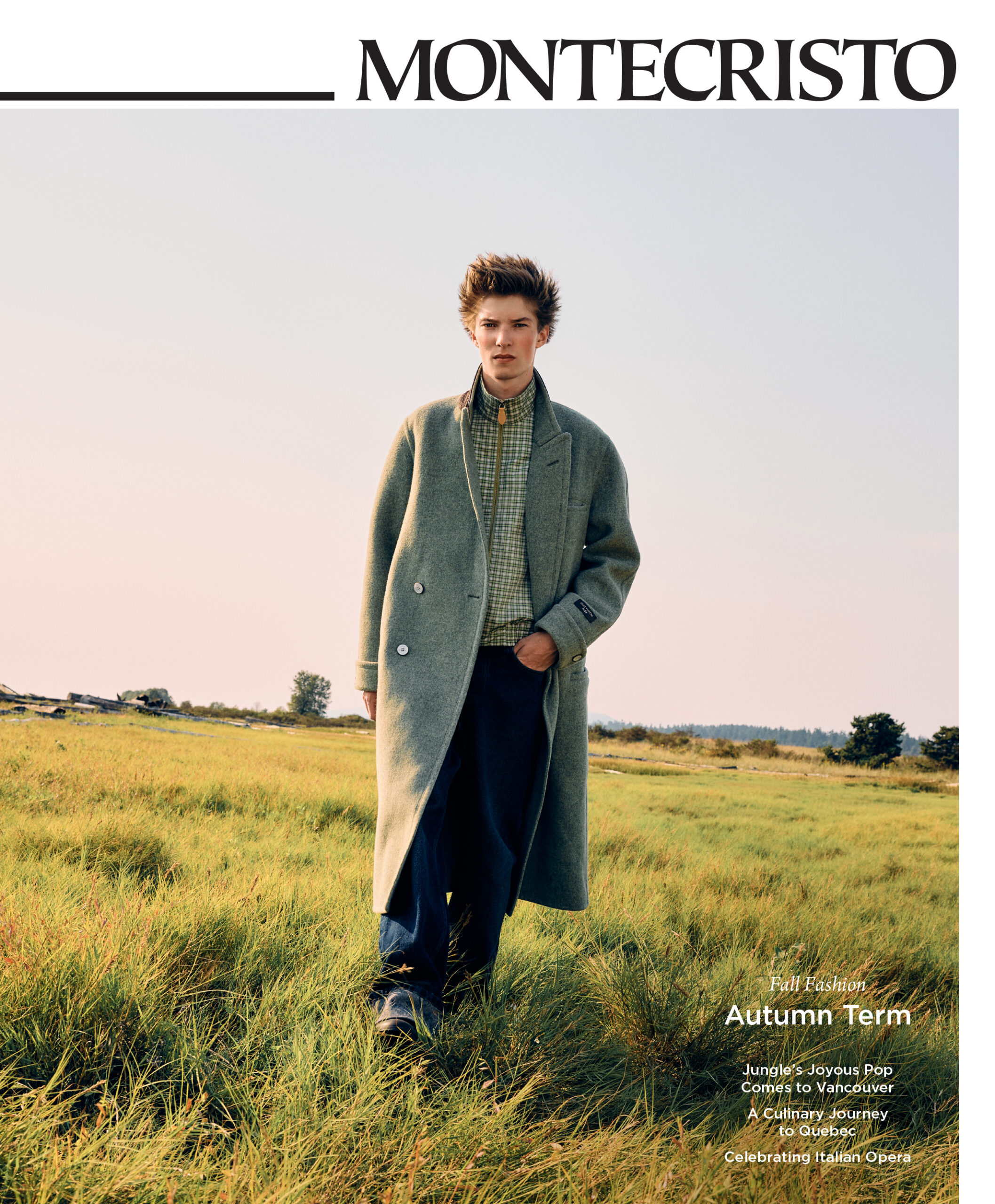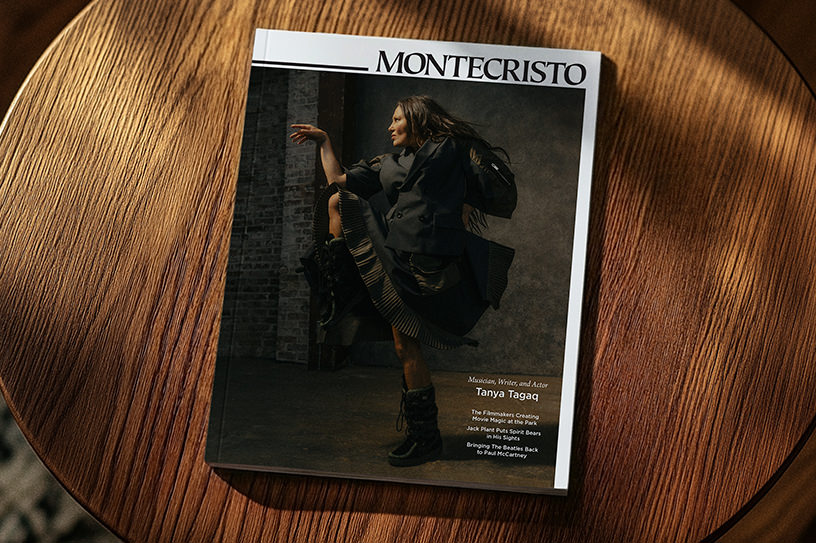


Our newest issue has arrived! Pick up a copy or sign up to our weekly newsletter to never miss a story.
After viewing dozens of bigger and better-finished apartments, I walked into the smallest, least aesthetically pleasing I had seen and made an offer on the spot.
“Mum! What?” my youngest son texted from university in Montreal. He had traipsed around many open houses with me and gone back to school with one request: “Please don’t buy something that needs work.”
And here I am, three months later, renovations begun. As I write, there is no kitchen, only a hole where the bathroom wall used to be, and piles of rubble in each room. And yet this unassuming space, now devoid of its depressing and drab fixtures and in complete disarray, fills me with joy each time I pop by to check in, sign off, or just stare out the windows.
There is a British television show—Location Location Location—that, in the midst of trying to work out my next move, I watched intently for weeks. One of its presenters has a theory that a decision to buy a property is made within 11 seconds of entering. Nonsense, you might say. And I would have agreed—until I walked into what will be my next home and knew that this one felt right.
Feeling instantly at home somewhere is a gift and, sadly, often a privilege. The idea of home may take different forms but at its most fundamental surely means a sense of belonging, of safety, and of warmth.
Jack Plant felt that sense of belonging as a child watching nature documentaries. Home may have been England, but Plant was drawn inexorably to the wildlife of Canada’s west coast, particularly its spirit bears. Now a wilderness photographer, he calls B.C. home, and the spirit bears of the Great Bear Rainforest are the focus of his new book, Spirit of the Great Bear.
For those who love the movies, the cinema can be a second home—a space where life is experienced vicariously, emotions can be explored in the dark, and at its most affirming, films watched that challenge, inspire, and expand our capacity for compassion.
When filmmakers Chris Ferguson and Osgood Perkins heard that the Park Theatre on Cambie Street was in danger of closing, they called their contacts and friends in the industry and raised the money to take it over. Passionate about the theatre’s potential, the group has made serious upgrades to its infrastructure and hope to make the Park a place where Vancouver rediscovers film in all its glory.
The Japanese community living in B.C. during the Second World War lost any sense of belonging and security following the bombing of Pearl Harbor. Internment saw families and communities ripped apart and forcibly relocated to remote areas, including several sites in the West Kootenays. The Slocan Valley’s newly completed Japanese Canadian Legacy Trail provides a self-guided tour that offers a window into the privations exacted upon the internees—and the ways in which, despite everything, the human spirit prevailed.
Tanya Tagaq’s body of work is indelibly connected to the land. Everything the Inuk throat singer, avant-garde musician, author, and actor produces is in concert with her Indigenous origins and experience. Her new album, Saputjiji (“designated protector”), is a battle cry to us all. We are honoured to feature this uncompromising artist on our cover.
Read more from our spring 2026 issue.