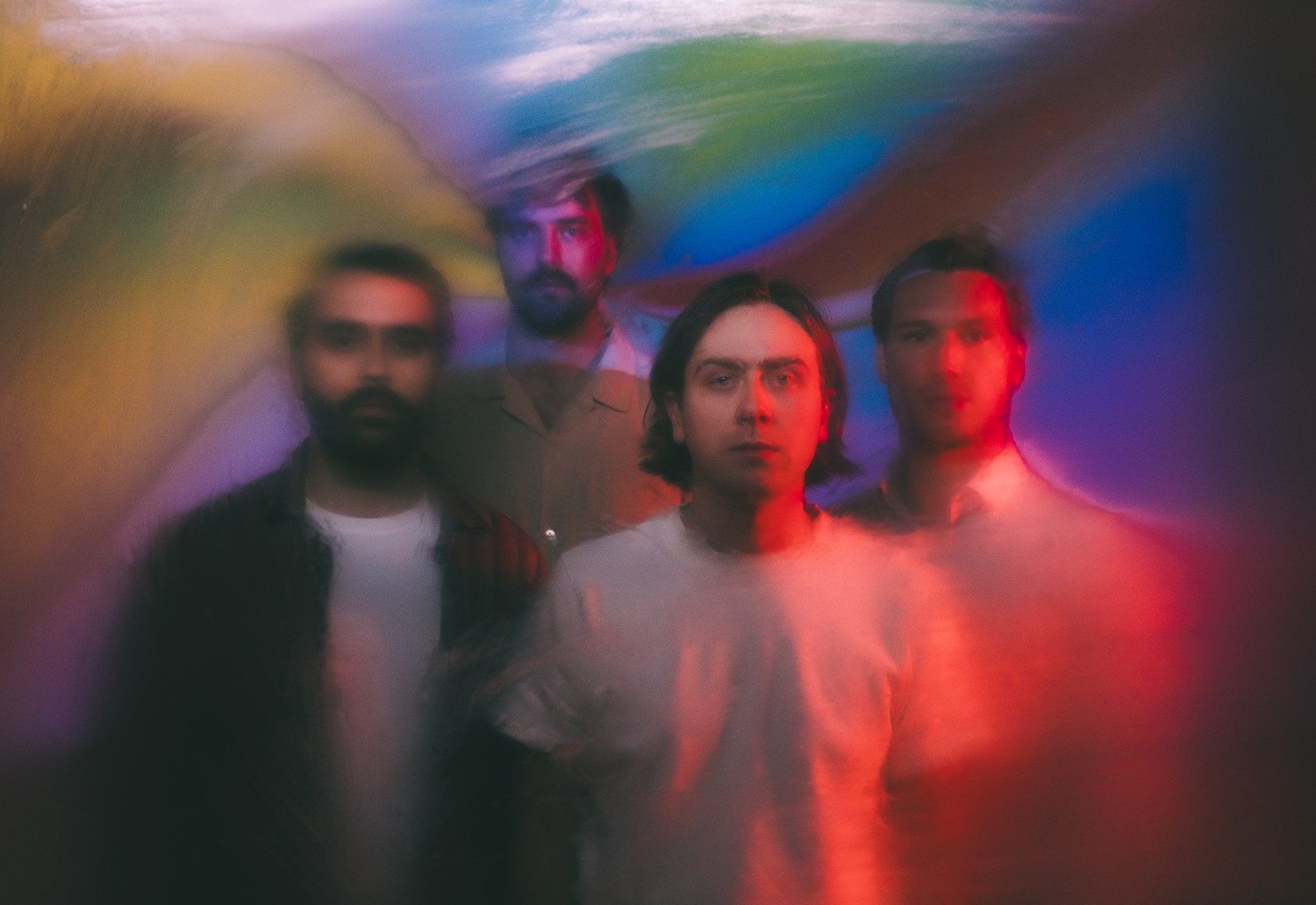


As it often does when pop or rock musicians gather to discuss their craft—even in 2026—the talk has turned to The Beatles. The topic has come up organically, in a roundabout way, because of where Vancouver alt-rock band Meltt happen to find themselves.
The band has assembled at Stage 6, a small film-production facility in Mount Pleasant, to record a live in-studio session. From the outside, the building is as nondescript as any other on this light-industrial stretch of East 6th Avenue. Stepping into the main studio area is like entering a white cube, its 2,800 square feet of unadorned space a blank canvas for the creative imagination.
Stage 6 also happens to be where the Indigenous hip-hop act Snotty Nose Rez Kids shot the video for their track “Damn Right.” In that video, the duo recreates key moments from The Beatles’ career, from the band’s first appearance on The Ed Sullivan Show to the photo shoot for the cover of the Sgt. Pepper’s Lonely Hearts Club Band LP to their final performance on the roof of Apple Studios.
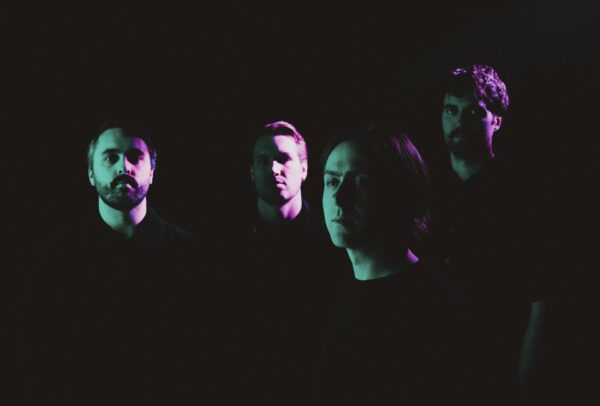
On this warm afternoon in late April, Meltt is about six weeks away from the release of its third album, Pathways, out June 12 via Nettwerk Music Group. Gathered around a makeshift coffee table (it’s actually an old wooden cable spool “upcycled” with the addition of a plastic fern), singer-guitarist Chris Smith, guitarist James Porter, drummer Jamie Turner, and bassist-keyboardist Ian Winkler are all dressed down in T-shirts and jeans, as befits a group of guys who have just unloaded a full band’s worth of gear from their van. They acknowledge that their approach to releasing music is definitely not how the lads from Liverpool did it.
For the most part, The Beatles put out standalone singles—classic cuts such as “I Want to Hold Your Hand,” “Day Tripper,” “Penny Lane,” and “All You Need Is Love” didn’t appear on albums. This meant that when an LP did drop, the music-hungry public hadn’t heard any of it yet.
Meltt has taken a different tack altogether. In the leadup to the release of Pathways, the band has already dropped seven of the album’s 13 tracks as singles, starting last July with “Hesitate.” Meltt has fully embraced that it exists in the age of streaming, and the numbers bear this out: the most popular of these advance singles, “Up All Night,” has been streamed more than two million times on Spotify.
“The way that people listen and digest music nowadays is different than back in The Beatles days, when people did buy records,” Turner says. “Nowadays, a lot of people just don’t listen to albums. They find a song they like, they put it on a playlist, and then that’s that.”
Turner and his bandmates make it clear that while they do have an affinity for the traditional album—collecting vinyl and engaging with records as cohesive works—they’ve adapted to a model that’s working for them.
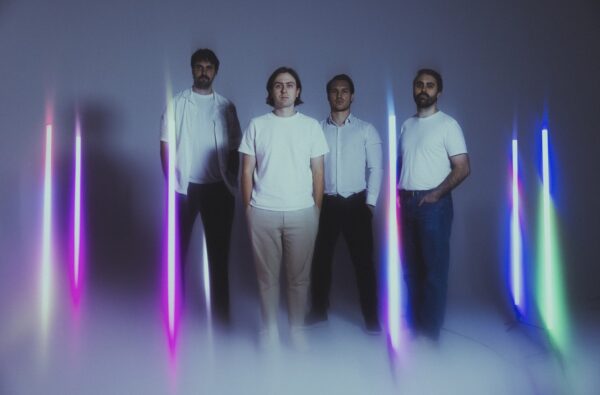
“We’re all album people in the band,” Smith says. “We do listen to albums, but most people don’t. So ultimately that is important to consider when you’re releasing music. If you just put out one or two singles and release the album, not many people are going to hear it. It’s not worth our time to make an album if we’re not going to get people hearing it, right?”
Meltt began experimenting with this model when promoting their second full-length release, 2023’s Eternal Embers, rolling out a series of singles at regular intervals, with additional tracks held back for the album itself.
“Each single is an opportunity to get it in front of a new group of people and to give each song its day, basically,” Turner says.
Not every Meltt fan is waiting with bated breath for the group’s next digital single, mind you. As Winkler notes, there’s at least one who’s holding out for something he can have and hold. “We have this one fan who’s come to what, four or five shows?” the bassist says. “I forget how many he’s come to, but he only listens to physical music. I remember seeing him on the last tour, like, ‘I’m sorry, man. It’s gonna be a while.’”
Mind you, this resolutely old-school soul did seem to be familiar with Meltt’s latest material. “I think he let himself listen to a few of the singles online or something before the show,” Winkler wryly speculates.
When that fan finally gets to hear Pathways in its entirety, he’ll discover a collection of songs that hang together as a cohesive piece of work rather than a compilation of singles. It’s not a “concept album” in any traditional sense, but it comes across as an aspirational score for the Best Summer Ever.
With its shimmering synth lines and insistent beat, “Up All Night” is the reverb-hazed sound of that night at the club when you lock eyes with the love of your life across a crowded, sweaty dance floor. The anthemic power chords of “I Love You” seem designed to sound glorious blasting from a festival stage. “In Your Arms” is every beachside campfire kegger you were never cool enough to attend, complete with acoustic-guitar strumming, and country-leaning “Monomyth” is a drive through sun-scorched valleys with the AC turned up and the radio cranked even higher.
Meltt is still recognizably the same band that debuted with 2019’s more autumnal Swim Slowly, but its musical arsenal has expanded beyond that album’s straightforward brand of indie rock.
“I guess the most obvious thing just off the bat, of general sonic change, is it was originally two guitars and a bass and a drum set and singing for the first album,” Winkler says. I mean, not completely; there were some synths in there, but it was a little bit less diverse in the sonic palette—less colourful, less synth sounds.”
“I feel like we’ve consistently been pushed in two different directions of, like, more acoustic and more electronic, kind of at the same time,” Smith adds. “I think that’s the general trend of what’s been happening, but who knows what the next thing is. There’s no rules.”
Well, there might be one rule that governs Meltt’s musical output—songwriting is a collaborative endeavour. With each member contributing ideas, the creative process naturally branches in multiple directions. What holds it together is a shared instinct for shaping those ideas into a unified whole: sifting through varied influences, aligning on what resonates most, and building from there.
“There’s no collective thought on direction,” Winkler says. “It’s more like, we’ll go write as many songs as we can in a certain period, and then we’ll bring them back to each other and just decide on our favourites.”
“Yeah, we just choose the ones we like, basically,” Turner agrees. “And so sometimes there’s a trend, but usually it’s all over the map. We like so many different things, and we all thankfully like a lot of the same stuff—and a lot of different stuff to have a good push and pull and variety happening. But especially in the earlier creative process, I don’t think there’s any thought of like, ‘Let’s do this kind of thing or this kind of thing.’ It just kind of happens. Chris has so many demos, and as we pick the ones we agree on, some kind of picture emerges.”
“Sometimes we leave songs out that we love, but we think what would make the best journey, track-list-wise,” Smith says. “Because we’ve got to have a good first song that fits the beginning, and then this has got to feel like it ends. It just reduces what other choices could have been, because you’ve got to feel like you’re making an album at the end of the day.”
Maybe that’s the real connection to The Beatles. It’s not the moptop haircuts, clearly, or the release strategy, but it might very well be the belief that an album should feel like its own self-contained world (or season, as the case may be). For Meltt, even in the fragmented logic of streaming culture, that idea still matters.
Read more arts stories.