

Around one-quarter of people in Canada live with disabilities related to pain, mobility, flexibility, vision, or hearing. While legislation is meant to ensure barrier-free access to participate in society, any disabled person will tell you that’s often not the case for fundamentals, let alone the nice-to-haves. Case in point: beauty products.
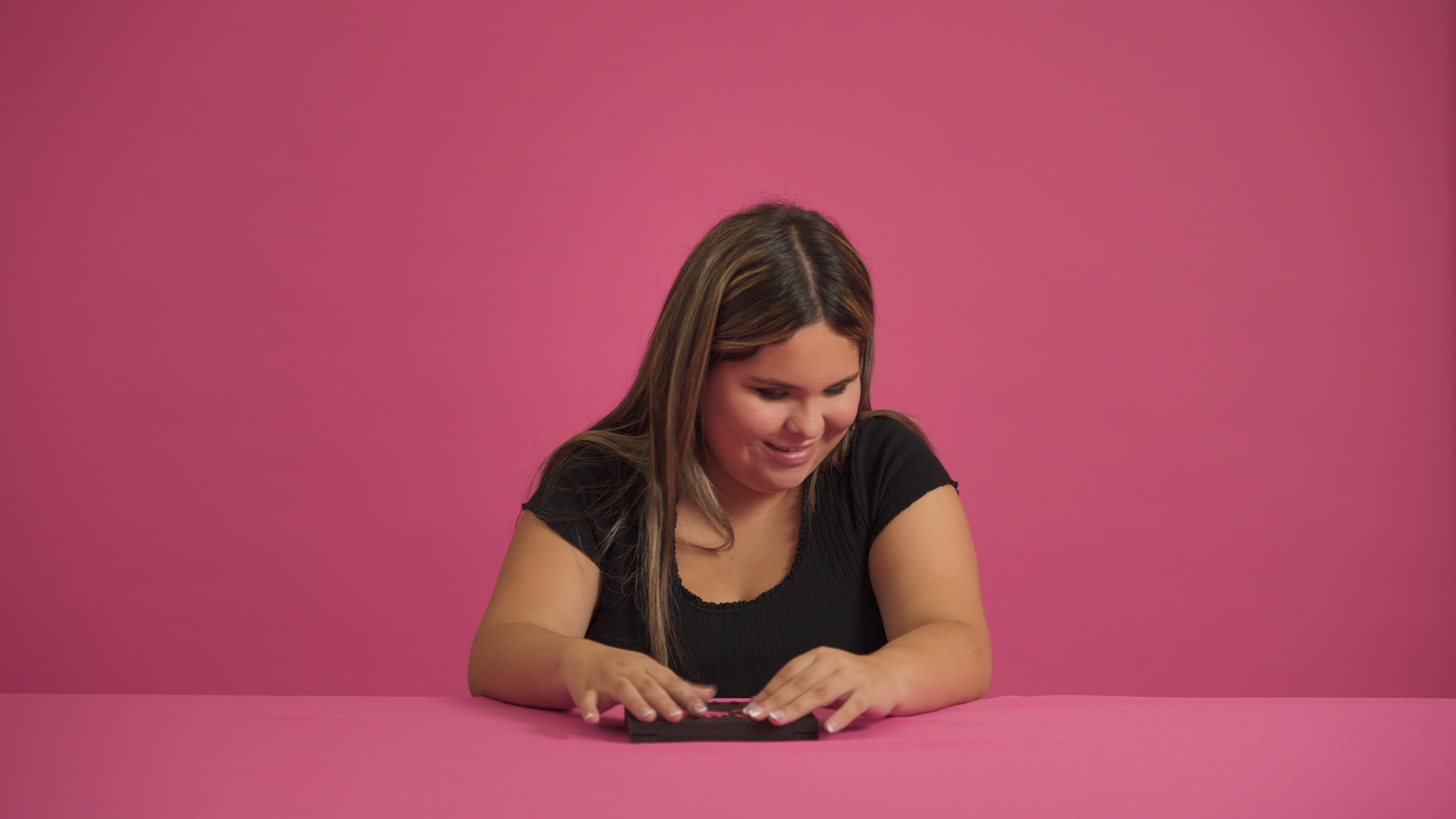
When Scarlette, a 14-year-old from the Oneida Nation of the Thames near London, Ontario, who was born blind, got in touch with Shine Foundation, an organization that works with young people with disabilities, her wish was to have a makeover. “She knows what she looks like on the inside and how she feels, and she wanted to simply do a makeover to bring that out for everyone else to see,” explains Tiffany Houston, CEO of Shine Foundation. But when Scarlette turned up for her beauty session and photo shoot, it became clear she didn’t just want someone else to do her makeup—she wanted to do her own, but there were no products for people who are blind or have low vision. Jenn Harper, founder of Cheekbone Beauty, was on set the day of the makeover. “Throughout the day, it was just a constant part of the conversation of how, wow, this industry is not designed for everyone,” she says. She and Shine Foundation started working on a makeup palette, with input from Scarlette, teachers, and the Canadian National Institute for the Blind.
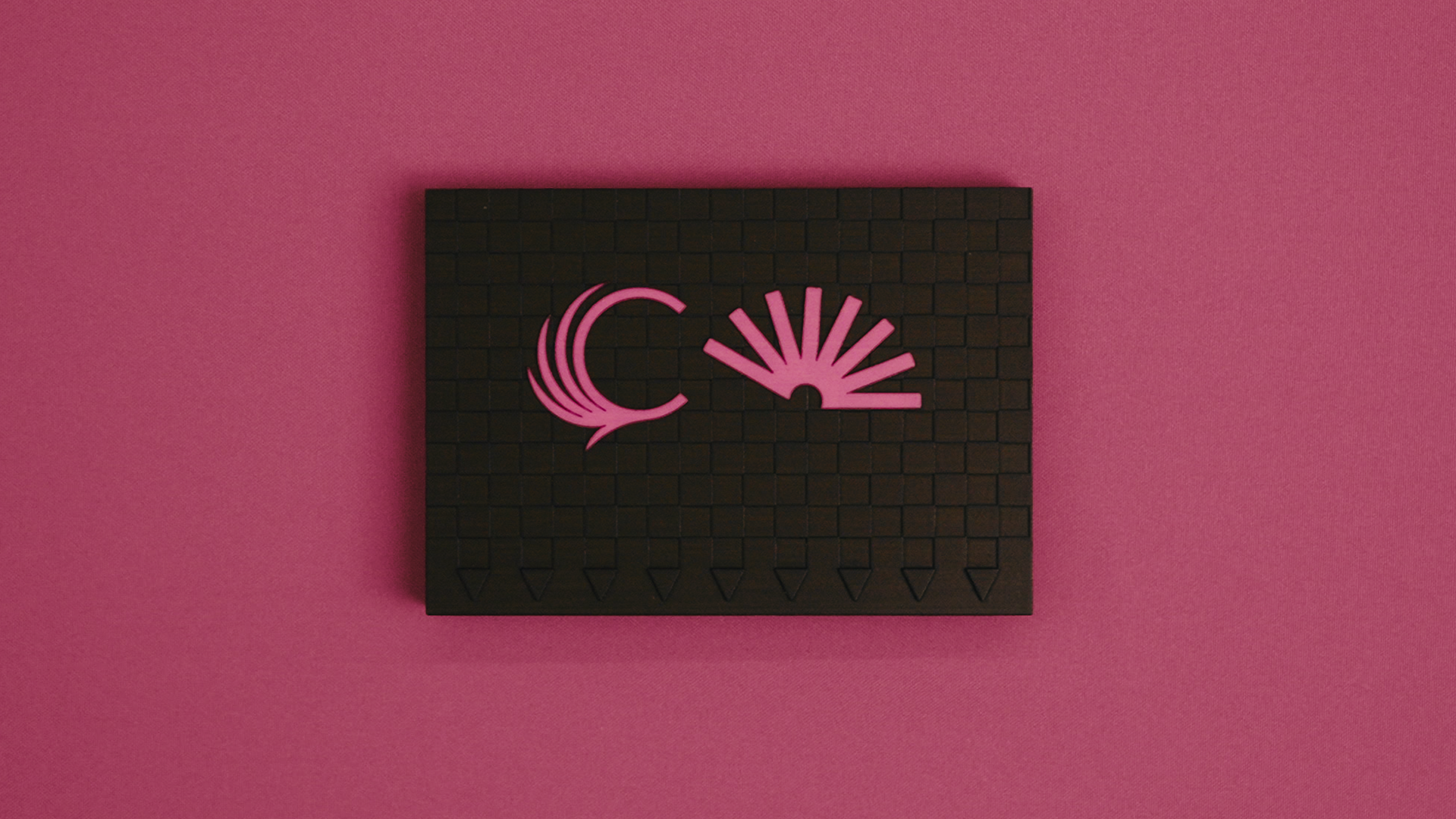
The initial idea was to use Braille, but, Houston discovered, only about 30 per cent of the visually impaired community use the language. Instead, they worked on a system that uses embossed shapes to guide Scarlette on how to open the palette and help her navigate the colours inside. Scanning a QR code on a raised bar on the inside gives an audio description of what’s located where and how to use the various shades.
The palette is still in the prototype and testing phase, with Shine Foundation and Indigenous-owned Cheekbone Beauty working with CNIB, but Harper hopes it can be made at scale. Unfortunately, that’s challenging for a small company like hers, because the cost of making the packaging is obstructively high. Moulds to produce palettes can run to tens of thousands of dollars or more. “Big conglomerates could completely afford to do these projects,” Harper says. “They could make this happen so simply.”
Packaging and the physical design of objects is often what blocks people with disabilities from using beauty products, not the formulas themselves. This holds true whether someone is visually impaired or has issues with dexterity or mobility.
Guide Beauty founder Terri Bryant has been a makeup artist for years, working with brands such as Smashbox, Josie Maran, and Dior Beauty hands-on with clients as well as on product development. “Somewhere along the way, things started to get a little bit more challenging for me,” she says. Looks that previously would have taken 15 minutes to create were taking longer as her hand became unsteady. It took five years to get a diagnosis: Parkinson’s, a degenerative condition that causes symptoms such as hand tremors.
Bryant says her head was spinning as she left the doctor’s office. Makeup artistry “is not just my livelihood, it’s my creative outlet. It’s where my bonds and my friendships are, and so I didn’t want to lose that,” she says. “But I was also thinking, well, at least I know what I’m dealing with now.”
She began thinking about solutions pretty quickly. “I pulled out my makeup kit, and I pulled out my husband’s tool kit, and I started to sort of try to stick together with duct tape some things that I thought maybe might help me get back in the game at some point,” she says. A mascara applicator similar to a finger puppet was an early prototype. “I was resting it against my cheek and kind of blinking into it thinking, all right, well, this is easier,” she says. “I was having this aha moment: this isn’t just easier for me now, but thinking about the thousands of people who sat in my chair over the years saying makeup’s difficult for them.”
Bryant had hit upon a truism: that inclusive, accessible design is universally better—that people without physical challenges may also find it challenging to apply eyeliner or may benefit from an audio description of how to put on eyeshadow. As Bryant says, referencing the World Health Organization’s definition of disability, “Instead of saying, this doesn’t work because there’s something wrong with me, it says that disability is actually a disconnect between any person’s given range of ability and the objects with which they interact.”
It took Bryant three years of working with product designers and people with physical challenges to come up with Guide Beauty’s range of tools and products that are designed to be easily manoeuvred by anyone. They’re also physically beautiful—important in a world where accessible products often prize function more than form. The brand was launched in 2020 and is still one of just a handful that focus on accessibility.
One person who may have moved the needle? Selena Gomez, who launched Rare Beauty in 2020. Inclusivity was always part of its DNA, in the sense that Gomez talked in early interviews about wanting to cater to everyone and fight impossible beauty standards. From day one, the brand‘s Rare Impact fund has raised money for youth access to mental health services. And since the packaging was designed in collaboration with Gomez, who has arthritis in her hands due to lupus, its caps and bottles are easy to grip and open. But it wasn’t an intentional part of the design. “We somehow inherently made the products easy to open, and then we realized, wait, they kind of have to be that way,” Gomez told Amy Poehler on her Good Hang podcast.
Last year, Rare Beauty launched its Made Accessible initiative in collaboration with the Casa Colina research institute, and its new products are designed specifically with accessibility in mind, for example, a new fragrance with an applicator created in collaboration with hand therapists. Rare Beauty is now valued at $2.7 billion, which suggests that perhaps accessible design is just good business.
Physical difficulties are things that everyone will experience, Bryant points out. “All our abilities shift, and we’re going up and down on the spectrum,” she says. “You could be sick for a little bit, and your abilities change.” Harper says that due to a customer’s feedback, she’s redesigning a tin so it can be opened with a single finger. She’s hopeful that technology such as 3D printing might enable smaller brands like hers to cater to the widest range of customers—or at least, alert the large brands to the huge audience out there that is not being served. Bryant uses the example of Fenty Beauty, which launched with 50 foundation shades, bringing the massive appetite for inclusivity to the attention of the beauty industry: “Fenty wasn’t the first brand to extend their shade range, but I’ve certainly sat in a lot of rooms where somebody would say, ‘Well, that’s a nice product to create, but it’s not a big enough audience,’ and then suddenly, ‘Wait a minute, that is a big enough audience.’”
Find it difficult to use some beauty products? Here are some that can be useful for everyone:
Benefit Bad Gal Bang Volumizing Mascara
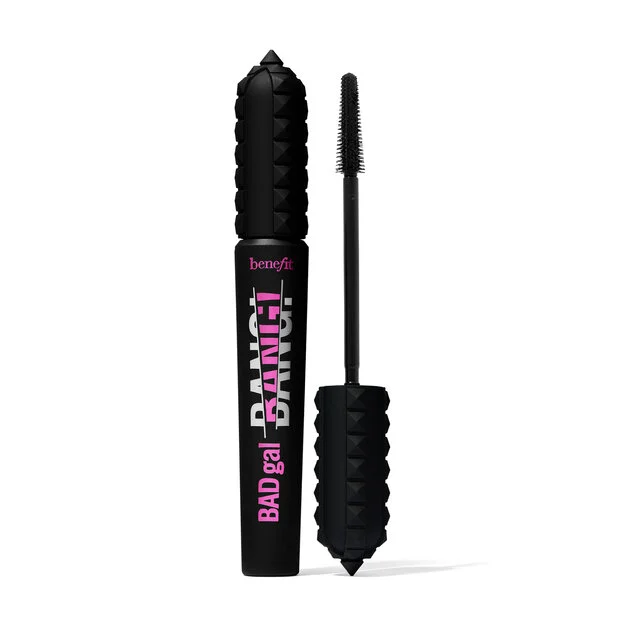
While not designed specifically for accessibility, its chunky, textured handle makes it easier to open and grip. The mascara itself is waterproof, smudgeproof, and volumizing.
Cheekbone Beauty Mattifying Moon Dust
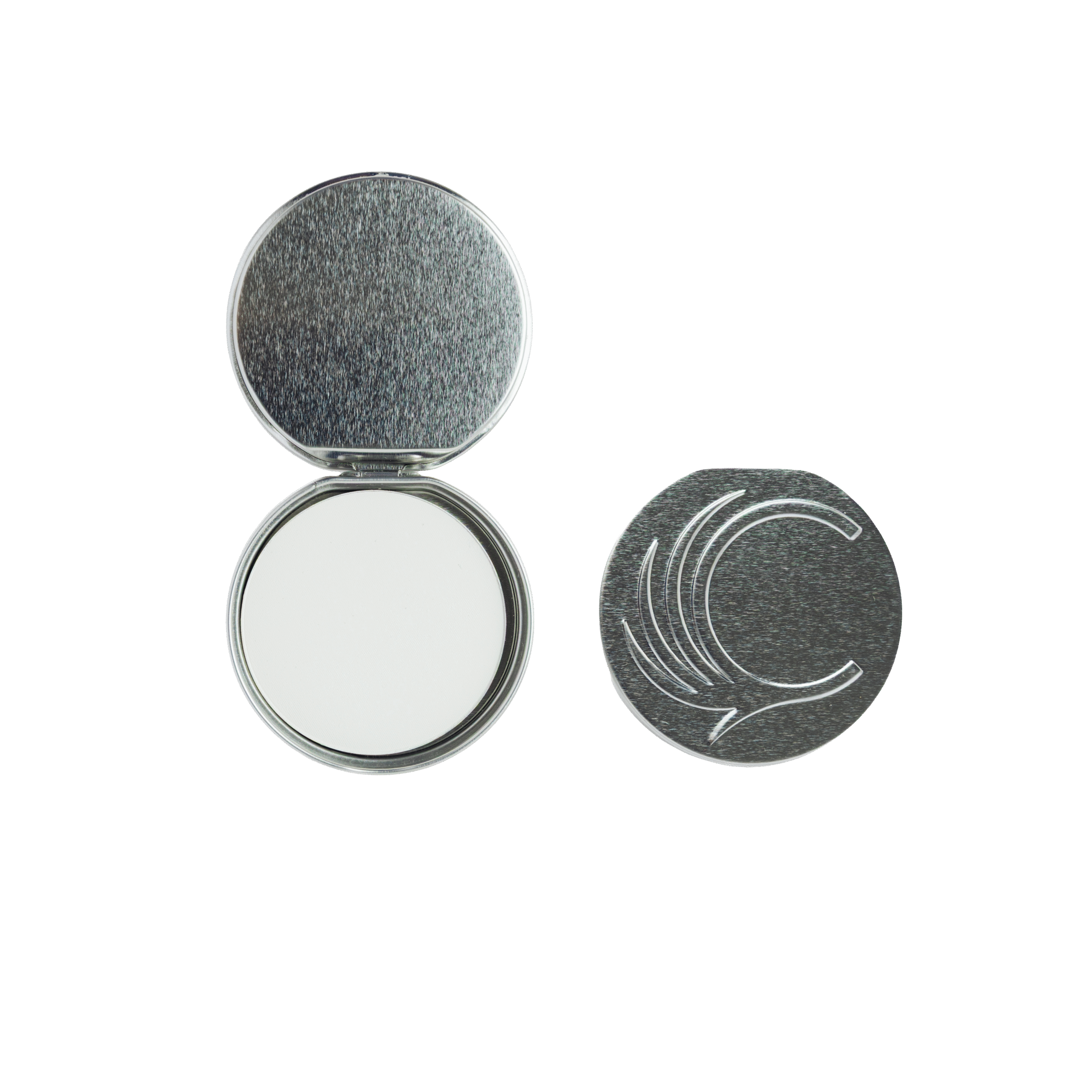
When a customer experiencing some dexterity problems told Jenn Harper she was having difficulty with the reusable tin Cheekbone Beauty’s setting powder comes in, she created a new hinged version that can more easily open and close. The talc-free formula is light, absorbs oil without making skin look dull, and sets makeup.
Guide Beauty Easy on the Eyes Shadow Palette and Brush Collection
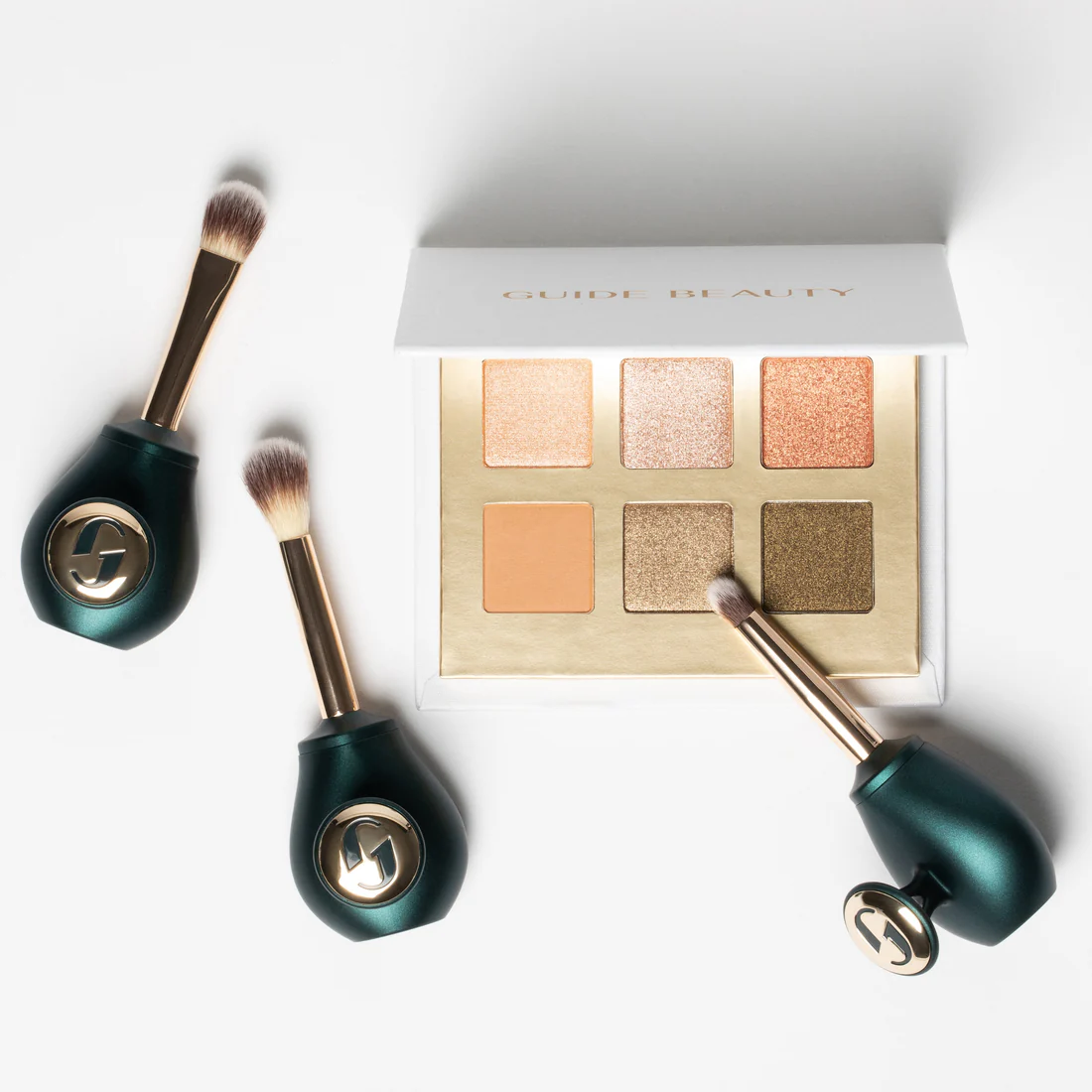
This trio comprises brushes for shadow application, blending, and defining or smudging. All three have short, substantial handles to give you more control, and a ring that offers a secure hold. The shadow palette contains six universally flattering shades including golden champagne and copper rose, infused with gold and pearl pigments. The palette has an extended “lip” that makes it easier to open, and it lies flat on your counter so you can use both hands for makeup.
The Crease Piece Cut Crease Creation Kit
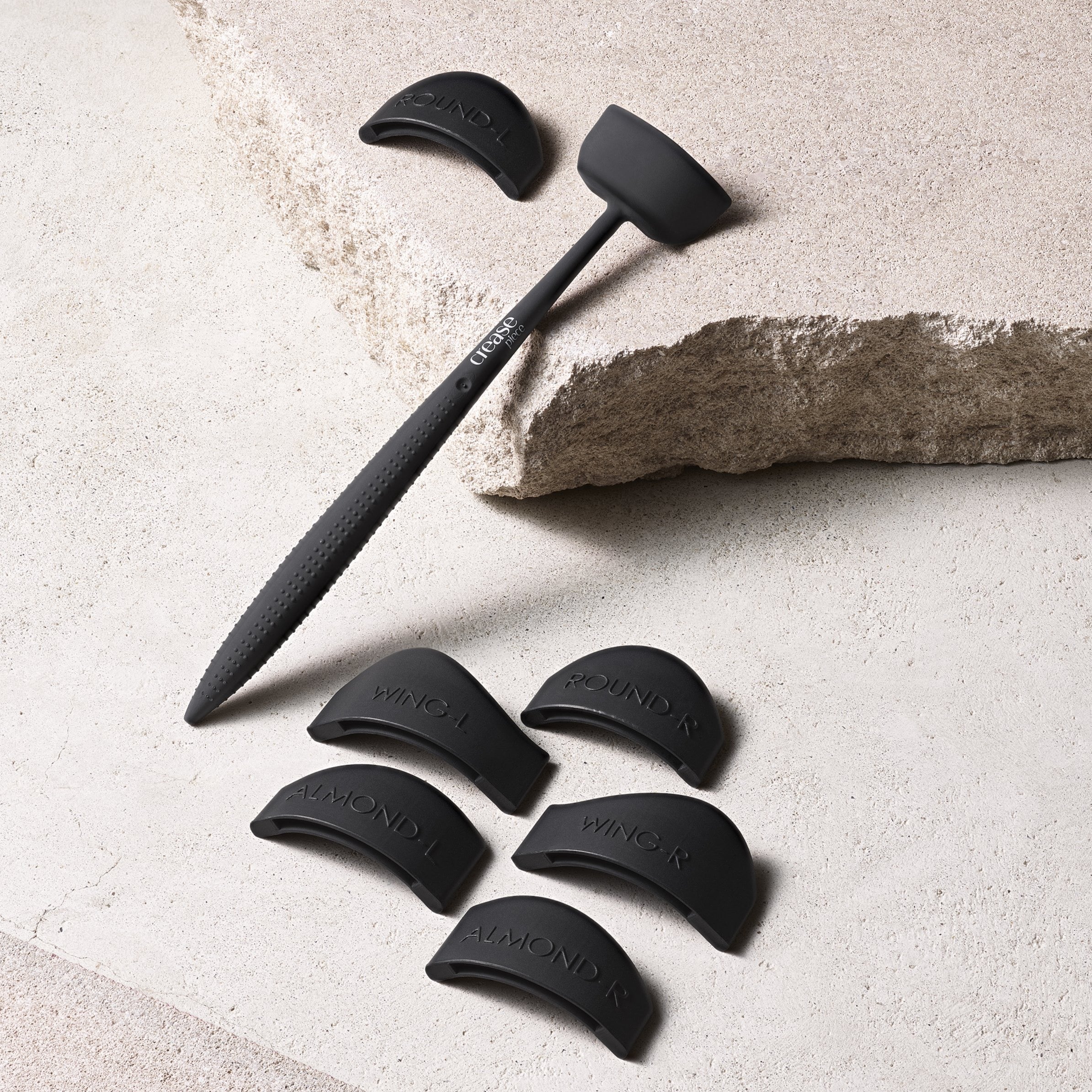
Use these templates to create different shapes of cut crease (a contrasting eyeshadow colour in the crease of the eyelid). This kit comes with three shapes, designed for different eye shapes or looks, plus a handle.
Rare Beauty Rare Eau de Parfum
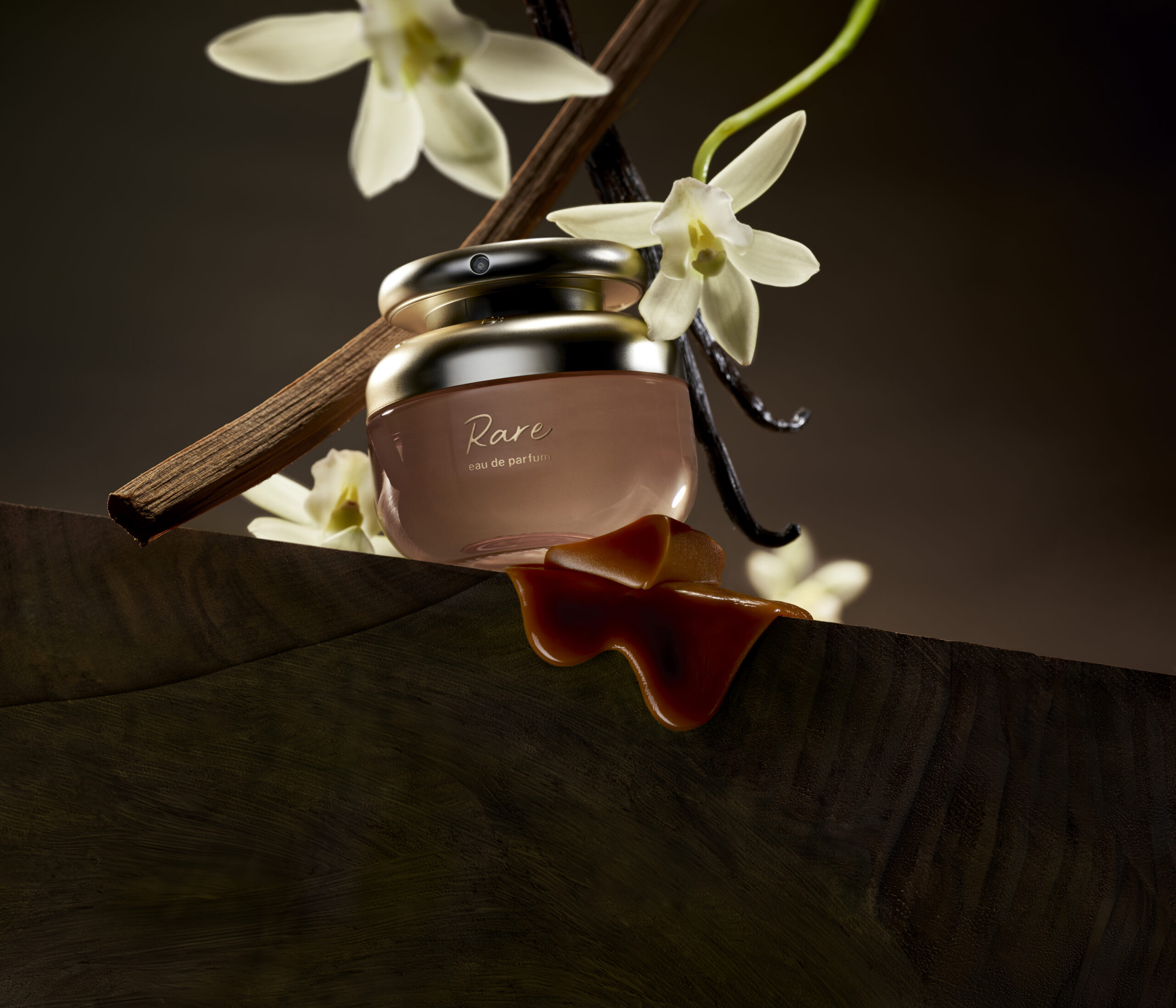
A warm and wearable fragrance for winter, its bottle was designed for ease of use by people with dexterity issues. The oversized pump makes it easy to press with any part of the hand or body and to twist and unlock the cap, and the bottle shape allows for a secure grip.
Read more beauty stories.