

“What is the fire?”
The Chan Centre’s Jarrett Martineau heard someone ask this question during a planning meeting for the upcoming Come Toward the Fire arts festival. It was a reasonable question; as yet, the annual festival features no flames. A member of the Musqueam (xʷməθkʷəyəm) replied: “The fire is actually the people.”
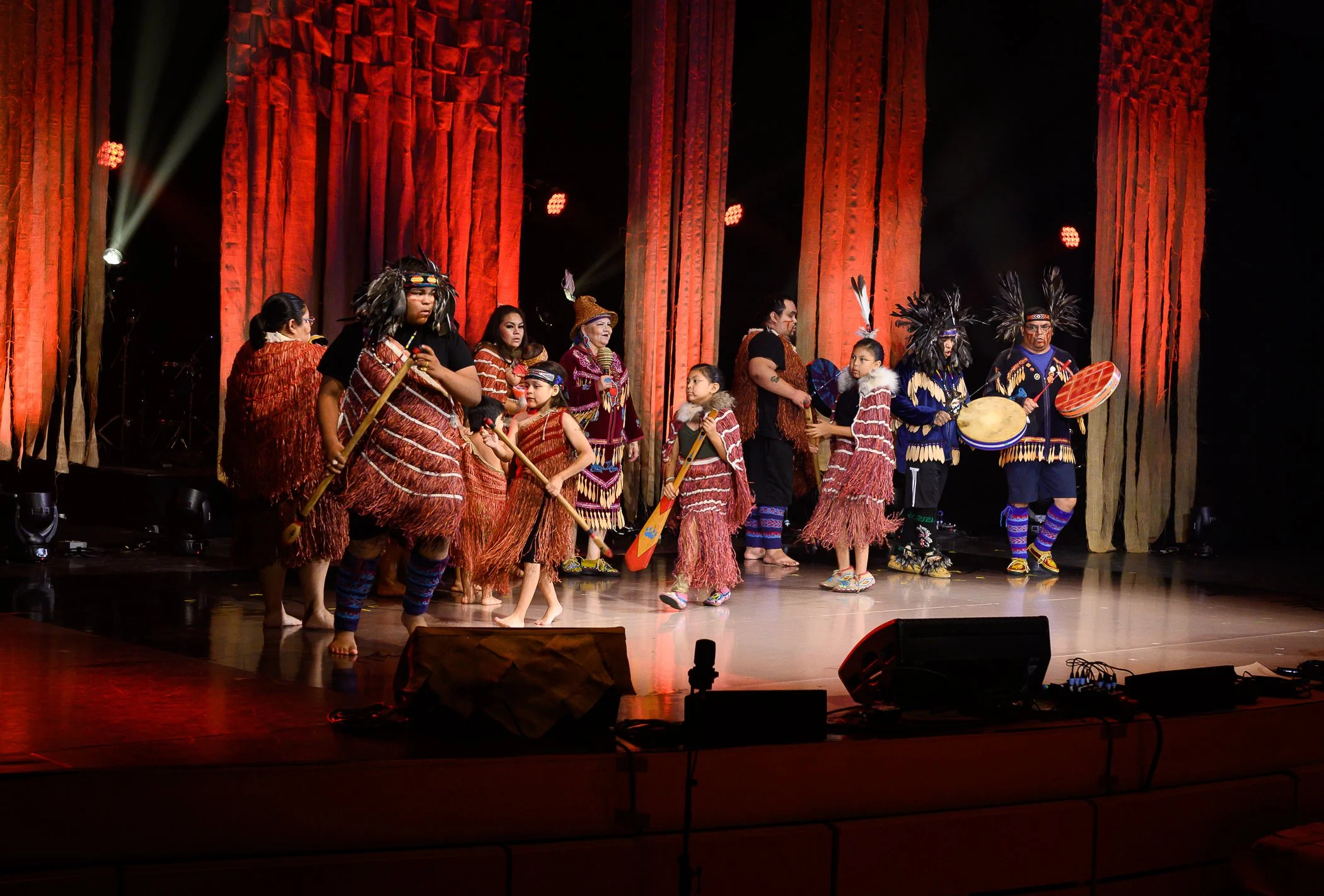
Come Toward the Fire (ʔəm̓i ce:p xʷiwəl) is an Indigenous music and arts festival at UBC’s Chan Centre, presented in collaboration with Musqueam. Musqueam Elder and Language Keeper Larry Grant chose the hən̓q̓əmin̓əm̓ name, as suggested by Musqueam artist and former Vancouver Poet Laureate Christie Lee Charles. Martineau relates the meaning as told to him: “In Musqueam’s big house tradition, it’s basically an opportunity to really stand people up and have them be recognized.” At its heart, this festival is about “gathering around one another,” Martineau says, and “everyone has a place at the festival. It’s not only for Indigenous audiences.”
Jarrett Martineau, who comes from the nêhiyaw (Plains Cree) and Denesųłiné from Frog Lake Cree Nation, is the Chan Centre’s head curator. (You may also know him as the host of Reclaimed, CBC Radio’s first Indigenous music program, or as half of the electronic music duo CHXMERAS.) He has worked on the festival since the beginning, seeking to “deepen the relationship” between Musqueam and the Chan Centre. Musqueam community members said that they “rarely have an opportunity to gather in a really celebratory way,” Martineau explains, so the festival became a celebration of “the resilience, the creativity, the brilliance from lots of different corners of the Indigenous arts and cultural world.”
This year marks Come Toward the Fire’s fifth edition. While it’s always been free for Indigenous people, the festival is now free for everyone (except for the closing concert). The 2026 event features three days of programming (including a new day of knowledge sharing) with concerts, workshops, films, and vendors. Emceeing the closing concert is Dallas Goldtooth, a Mdewakanton Dakota and Diné comedian, writer, actor, and activist—best known as William “Spirit” Knifeman on Reservation Dogs.
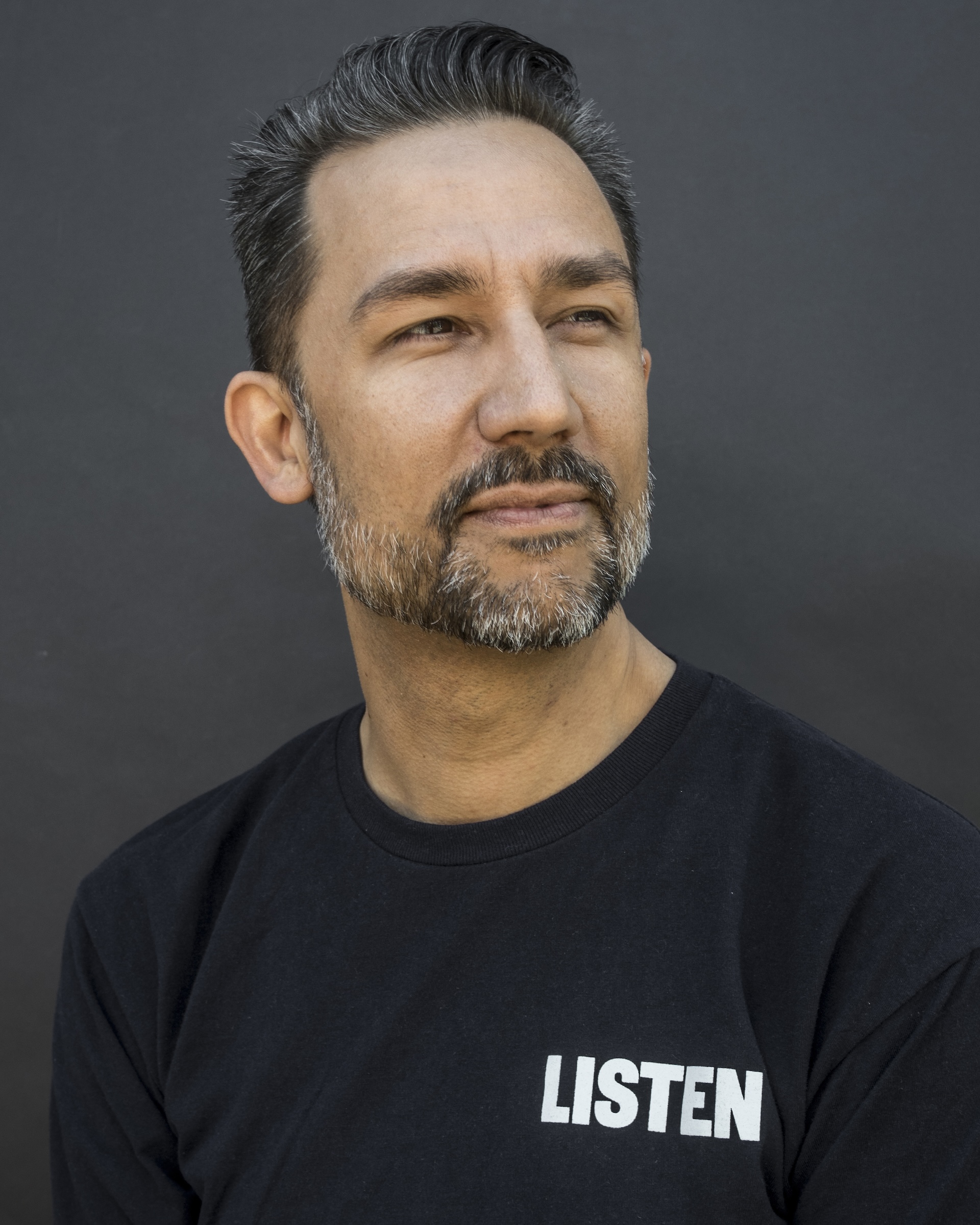
Jarrett Martineau. Photo by Jalani Morgan.
Musical acts range from Neo-Soul and R&B artist LOV from Poundmaker Cree Nation (who released her debut album this year), to multi-JUNO-award-winning singer-songwriter Aysanabee from Sandy Lake First Nation (who is closing the festival). “We always try to have a pretty wide range,” Martineau says. People aren’t “necessarily coming for the marquee draw of, ‘oh, this artist is coming.’ They’re coming because they’re like, ‘all of this is new to me.’” The head curator adds, “We’ve really embraced this idea of it being a place for discovery.”
Since its inception in 2022, Come Toward the Fire has included many artistic disciplines. This ensures Musqueam is highly represented. “The community is only so big,” Martineau explains, of Musqueam musicians, but “there’s lots of amazing artists.”
One member of Musqueam that has been involved since 2023 is Manuel Axel Strain, a two-spirit visual artist. Strain works both behind the scenes and onstage, emceeing shows. “I’ve been helping them learn some of the stories,” Strain says, “and try to find ways to artistically bring them into the festival.”
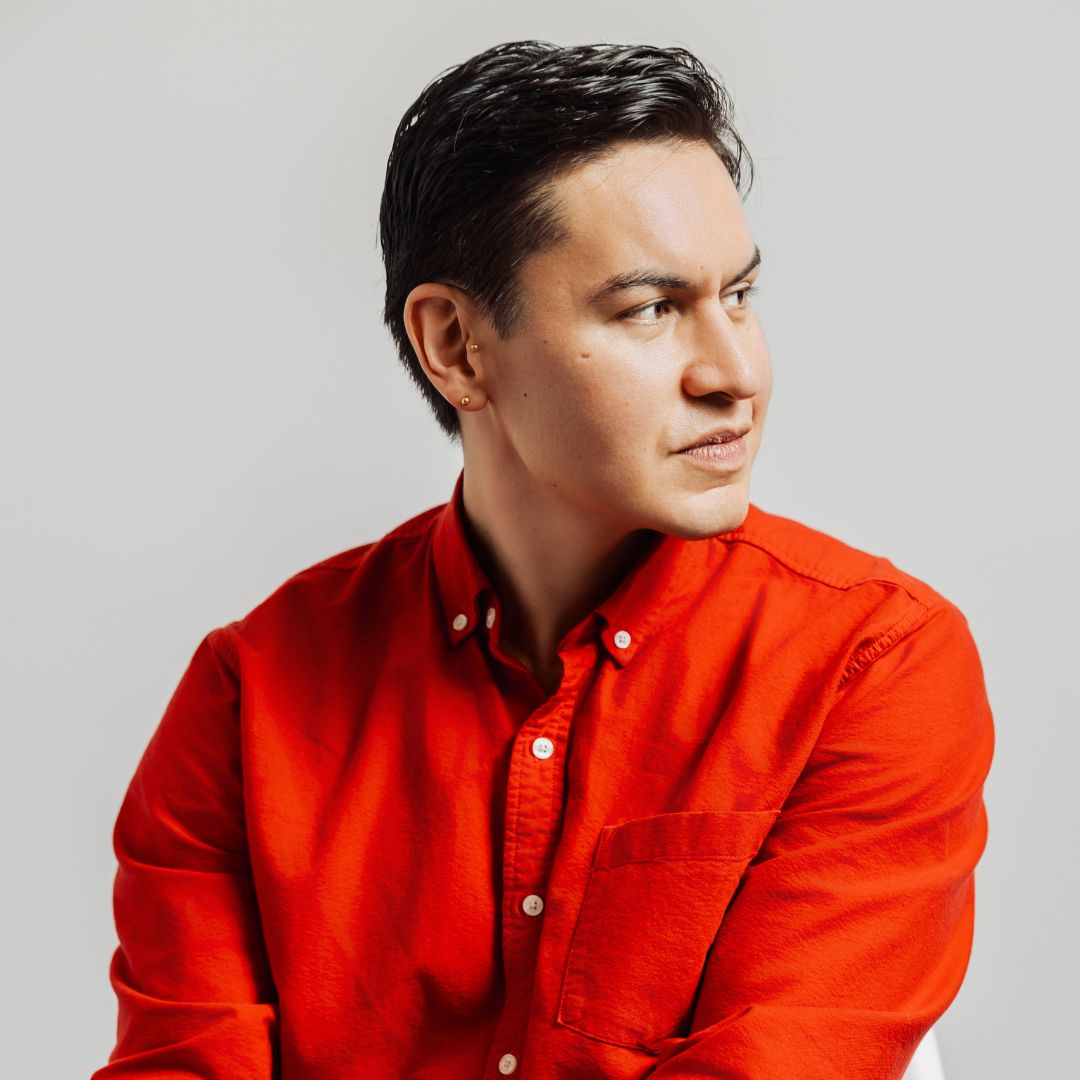
Manuel Axel Strain.
Last year, Strain made and hung purple flowers around the Chan Centre, representing the Musqueam origin story. As Strain shares, the story describes a double-headed serpent that “was going throughout the land and people were scared of it,” but where it left droppings, a “beautiful flower would blossom. And that became the muthkwey (məθkʷəy̓) flower.” Strain also requested that the mainstage lighting be purple: “I’m really emphasizing that colour as a Musqueam representation.”
In their own artistic practice, Strain often collaborates with relatives. “I do this to combat the destabilizing effects of residential schools; to highlight the importance of the Indigenous family system,” Strain explains, “but I think generally as a whole, as creatures on this planet, we have to work together and create a better sense of harmony.”
Strain brought “this layered, intergenerational process” into the backdrops they created for the festival’s outdoor stages in 2025. Dr. Shane Pointe (who passed away in 2026), shared stories and sketches that Strain adapted into large paintings—completed with help from their niece Segwses Strain and nephew Quintasket Strain. One showed Thunderbirds feasting at Musqueam, and the other the bay from ʔəy̓alməxʷ (Jericho Beach), complete with the sand flies that proliferate there. This work also holds some of Strain’s favourite festival memories: “the little moments that no one sees,” including “taking Uncle Shane to White Spot” and “going to 7-Eleven to get my niece and nephew a little treat so they could paint good.”
That intergenerational, collaborative spirit also carries through onstage. One of Martineau’s favourite moments from last year was of Tia Wood, a singer from Saddle Lake Cree Nation, performing with Round Dance drum group Northern Cree—co-founded by her father, Earl Wood. “Every year, in some iteration or other, we’ve had unexpected collaborations,” Martineau says. He’s “curious what that’s going to be for this year.”
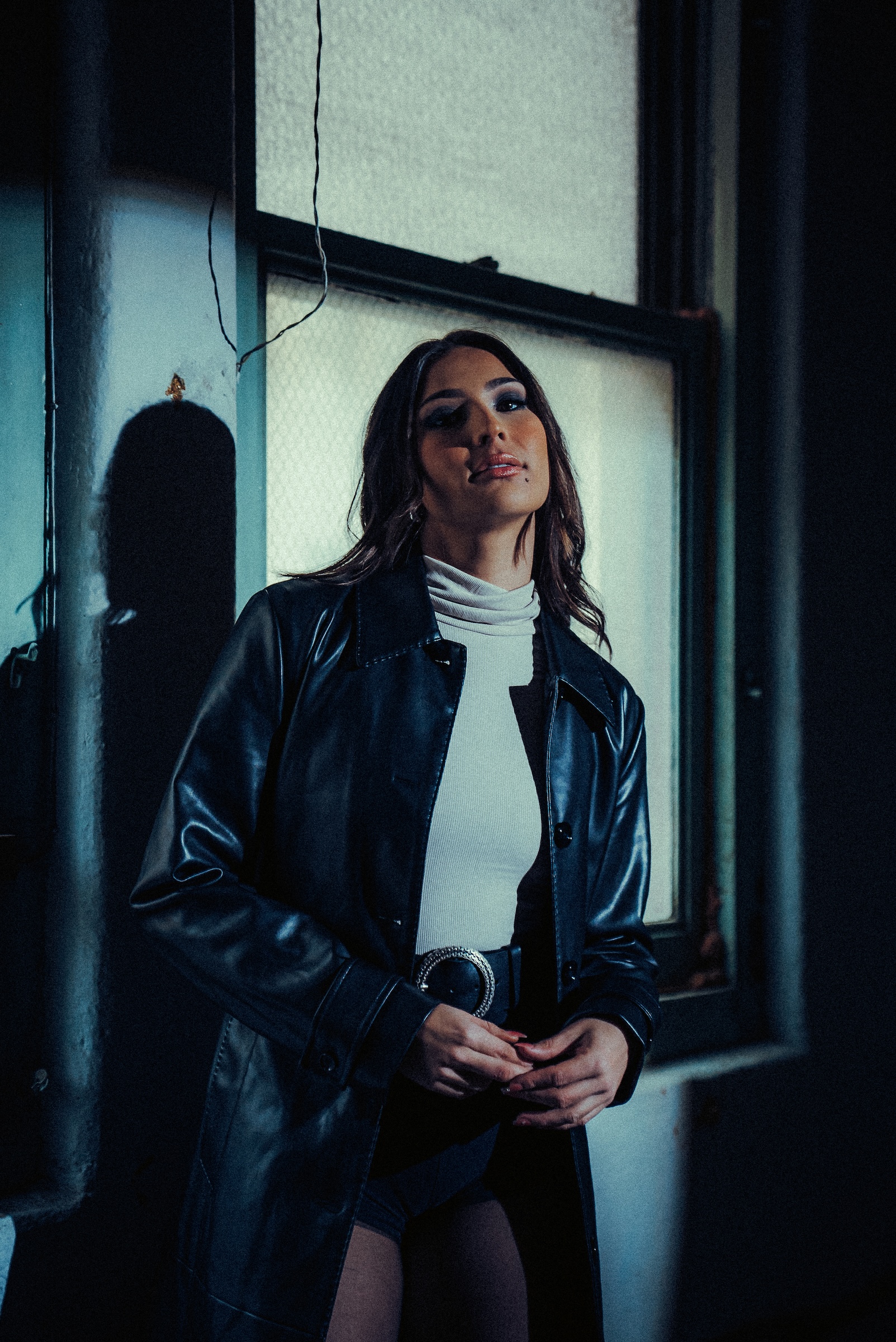
Neo-soul and R&B artist LOV. Photo by Vera Oh.
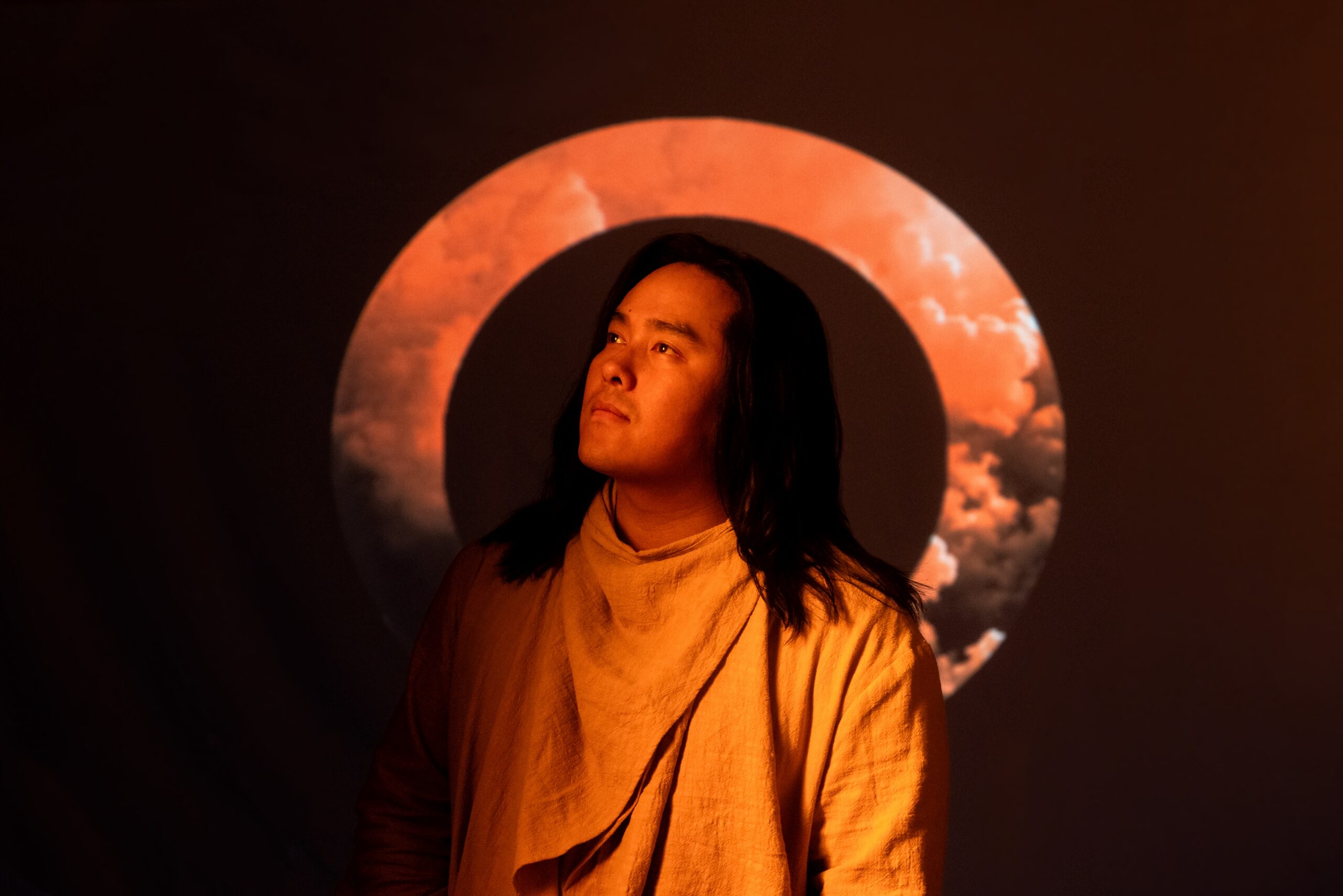
Aysanabee. Photo by Lindsay Duncan.
The festival’s programming has grown over the years. The latest addition is a day of knowledge sharing about Musqueam and other Indigenous cultures. “People really are looking to learn,” Martineau says, “so we were like, ‘you know what, maybe we should just make a dedicated space for this.’” Events will be held at the Chan Centre, and at partner organizations across UBC, including the Indian Residential School History and Dialogue Centre, the Belkin, the Museum of Anthropology, and the First Nations House of Learning.
Another new partner is the Gord Downie & Chanie Wenjack Fund. Created by the late Gord Downie of The Tragically Hip and the Wenjack family, the fund promotes awareness about residential schools. It grew out of The Secret Path, a film and album that told the story of Chanie Wenjack, who died while trying to escape residential school. The festival is hosting a tenth-anniversary screening to highlight “continuity and survival,” Martineau says, in the face of “removal and dislocation.” The head curator adds that they also want to highlight the fund itself: “we need examples of good, ethical, reciprocal collaboration.”
Looking forward, Martineau hopes to introduce even more collaborative opportunities. “I would love to see, in terms of a next phase of what we’re doing, maybe a mentorship component,” he says, having artists from previous years “share their knowledge and experience with up-and-coming, younger artists.”
Nurturing respectful and reciprocal relationships can take a long time. “It’s nice to be five years into that relationship with the community,” Martineau reflects. Both Strain and Martineau note that Musqueam is a small community, and there are a lot of organizations in Vancouver that want to collaborate with them. “I think strategically for people that are wanting to connect to Musqueam,” Strain says, “try to go slow and listen.”
Even five years on, collaboration can lead in surprising directions. Look no further than Dallas Goldtooth, this year’s host for the closing concert. While Martineau was wary of passing up an opportunity for a Musqueam host, “the community was, like, ‘we love Dallas, we think this is a great idea.’” Martineau thinks Goldtooth is a wonderful choice and is excited to see him bring the spirit of a powwow emcee by “gently and playfully” teasing everyone “in a very loving and celebratory way.”
Read more arts stories.