

In 2025, we published several stories highlighting important, forgotten, and strange moments in the history of British Columbia. Shared here are 14 that stood out and connected with readers throughout the year.
How Godspeed You! Black Emperor Came to Feature a Vancouver Street Preacher on Its Debut Album
There’s a remarkable, brief sermon—an apparent field recording—that begins the song “East Hastings” by Godspeed You! Black Emperor on the band’s 1997 debut LP, F♯ A♯ ∞ (pronounced “F-sharp A-sharp infinity”). Set to mournful bagpipes, a Caribbean street preacher testifies that “No matter what we have, no matter the money, no matter the riches of the world, it cannot buy what we want.… What we need is the love of Jesus Christ.” Read more.
The Victoria Cougars Won the Stanley Cup 100 Years Ago—No B.C. Team Has Done So Since
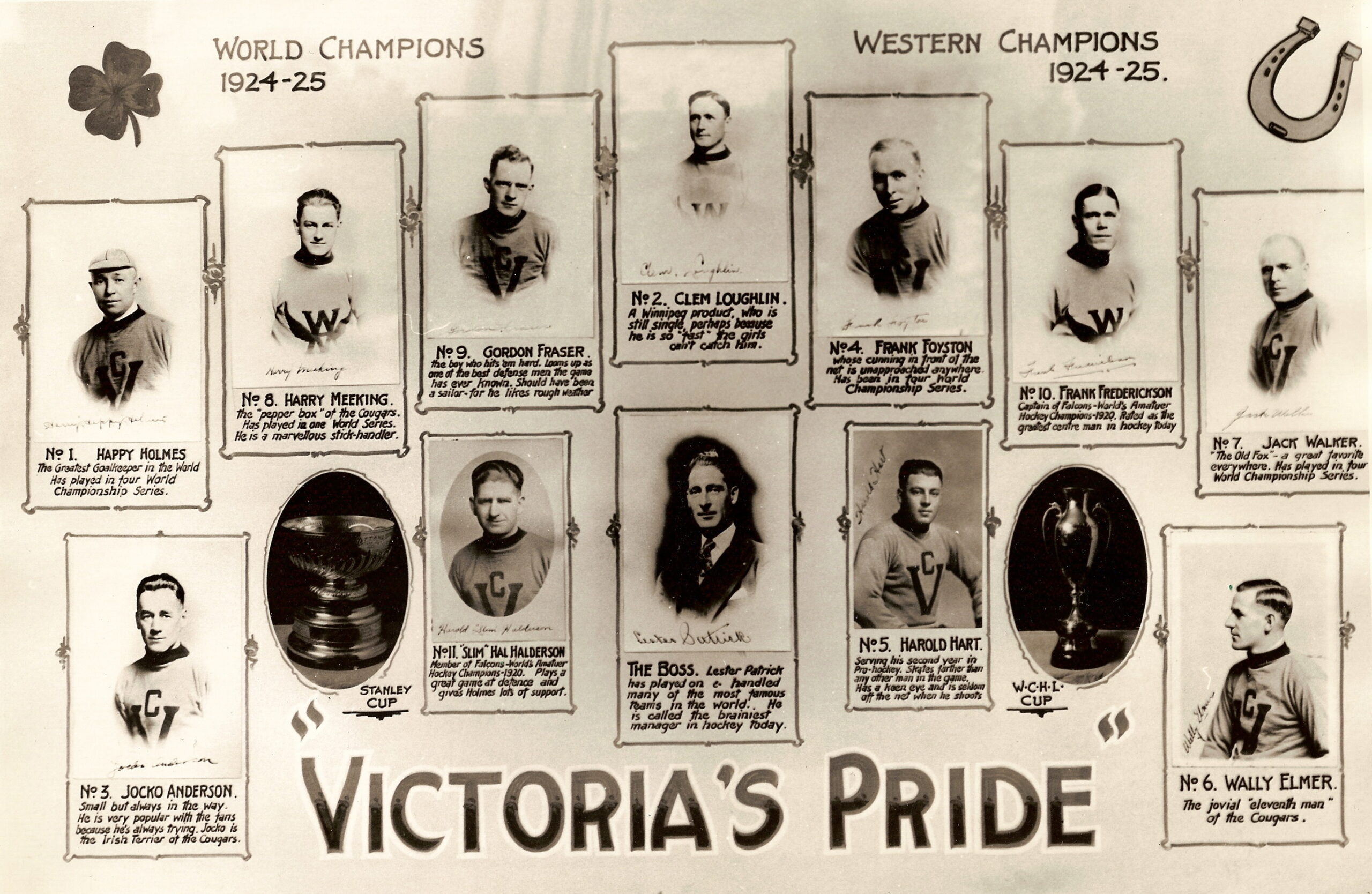
One hundred years ago in late March 1925, the storied Montreal Canadiens arrived in the British Columbia capital after travelling for days by train and boat to defend their Stanley Cup championship from the previous year. The storied Flying Frenchmen boasted the scoring prowess of speedy Aurèle Joliat and the young Howie Morenz, known as the Stratford Streak. The defence was anchored by captain Sprague Cleghorn playing in front of the great netminder Georges Vézina, so cool in goal he was known as the Chicoutimi Cucumber. Read more.
Victoria-Fraserview—The Diverse History of a Family Neighbourhood
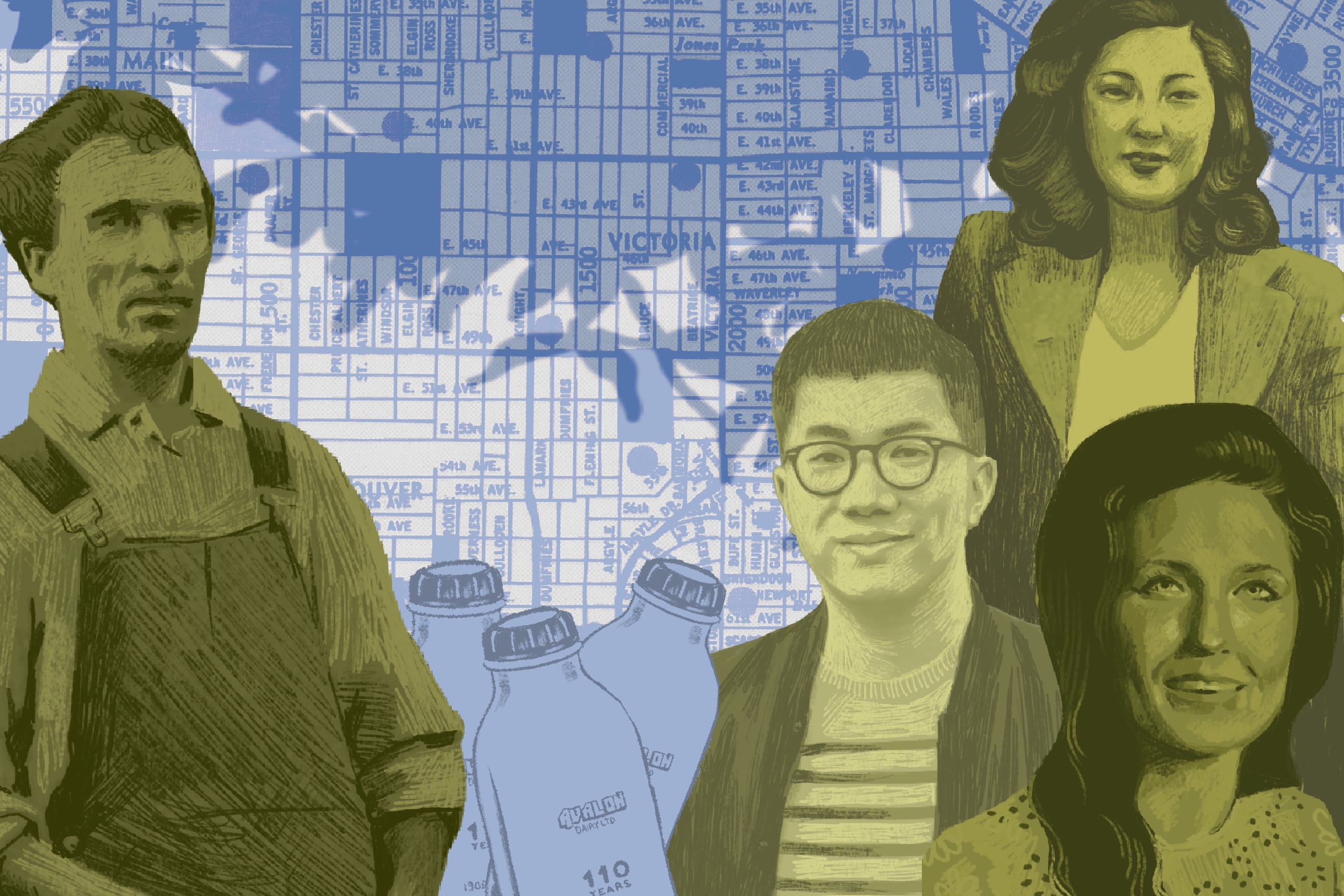
Changing demographics—54 per cent of Victoria-Fraserview’s residents are ethnically Chinese, and 84 per cent belong to a visible minority group—have been responsible for the turnover in businesses. “We’re our own little community,” muses Mrs. Lin, a Chinese senior running a medical insurance scam in S.G. Wong’s story “Survivors’ Pension” in the crime anthology Vancouver Noir. “The fishmonger’s got as fresh as anyone in Chinatown and he’s not a forty-minute bus ride away.… We have an apothecary when we want herbal remedies, and a London Drugs when we want the other stuff.” Read more.
How Roxanne Altered the Course of Steve Martin’s Career and Filmmaking in B.C.
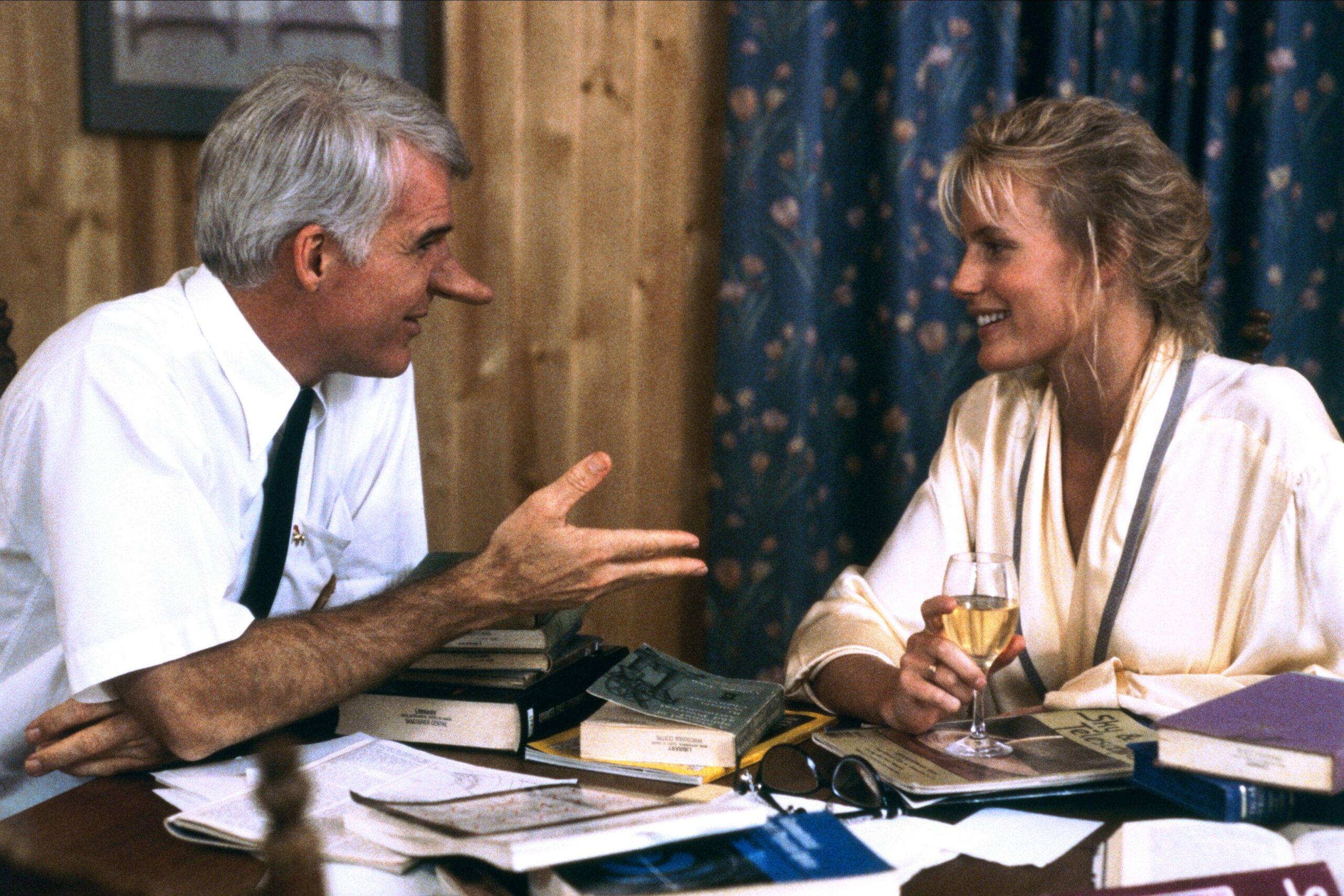
Updating the story’s setting from 17th-century France to the contemporary Pacific Northwest was a process of elimination. “I needed a setting where people could run into each other on the street and be believable,” Steve Martin says. A small ski resort town “was the perfect size, and everybody hung out in the same place.” In Hollywood North, Mike Gasher’s study of the B.C. film industry, he makes note of how both Roxanne and First Blood “were shot in small British Columbia communities deemed so indistinguishable from small-town America that not even their names were changed for the films.” In Roxanne, Nelson, B.C., plays the part of Nelson, Washington. Read more.
50 Years Ago, Mark Vonnegut Looked to B.C. for a New Frontier
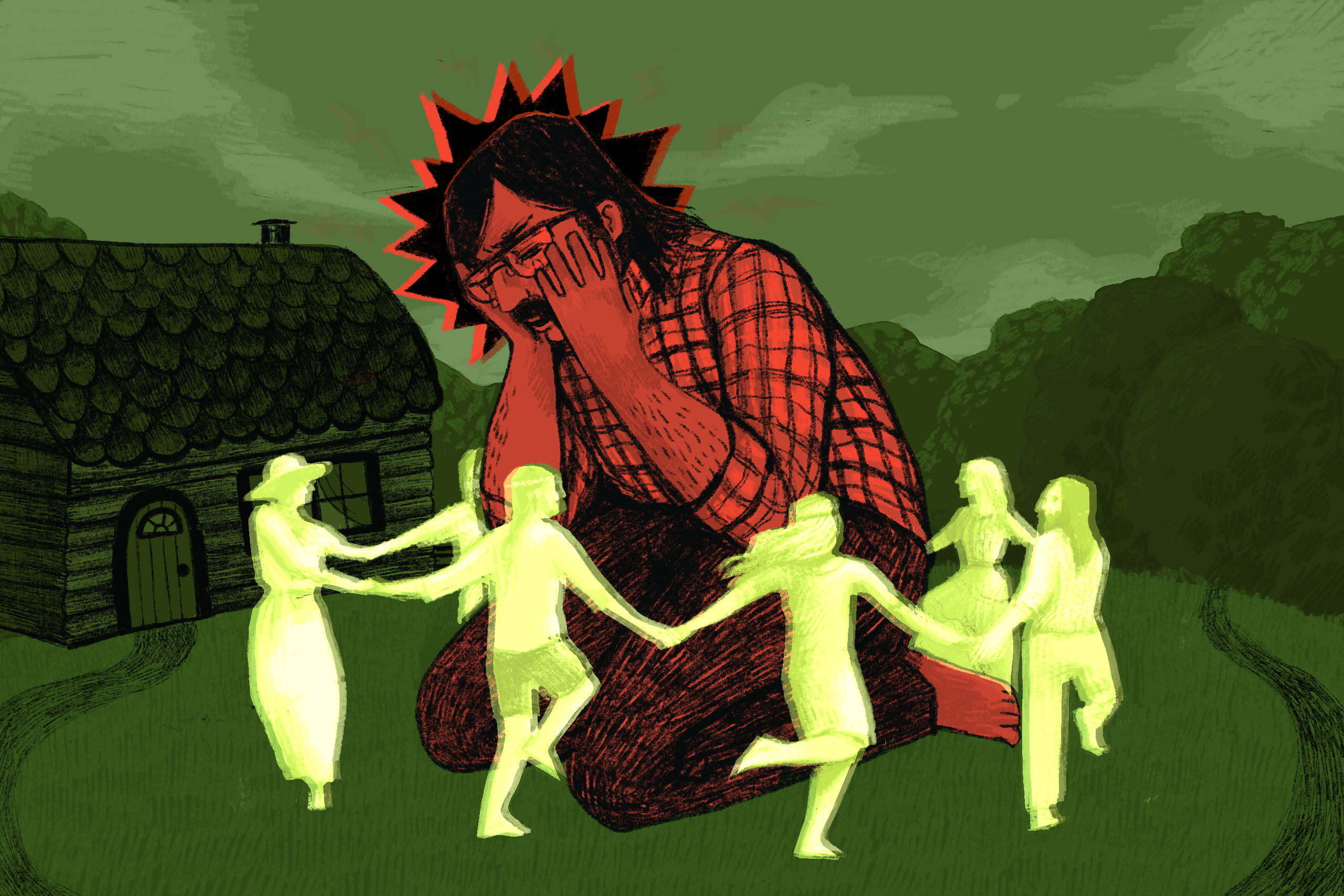
Mark Vonnegut was born in 1947, the eldest child of Kurt and Jane Vonnegut. Raised on Cape Cod, Mark studied religion at Swarthmore College, registering as a conscientious objector and working as head of security at a psychiatric hospital. In 1969, the year Mark graduated, his parents’ marriage was nearing its end, and Kurt’s literary fortunes were rising with the publication of his landmark novel Slaughterhouse-Five. He and his girlfriend (known as Virginia in the book) set out for B.C. to buy land. Given the cultural clashes of the late ’60s and early ’70s, “leaving the insane society to set up an independent self-sufficient commune seemed like a very sensible noble brave thing to do.” Read more.
Grappling With the Legacy of a Black Icon in Vancouver
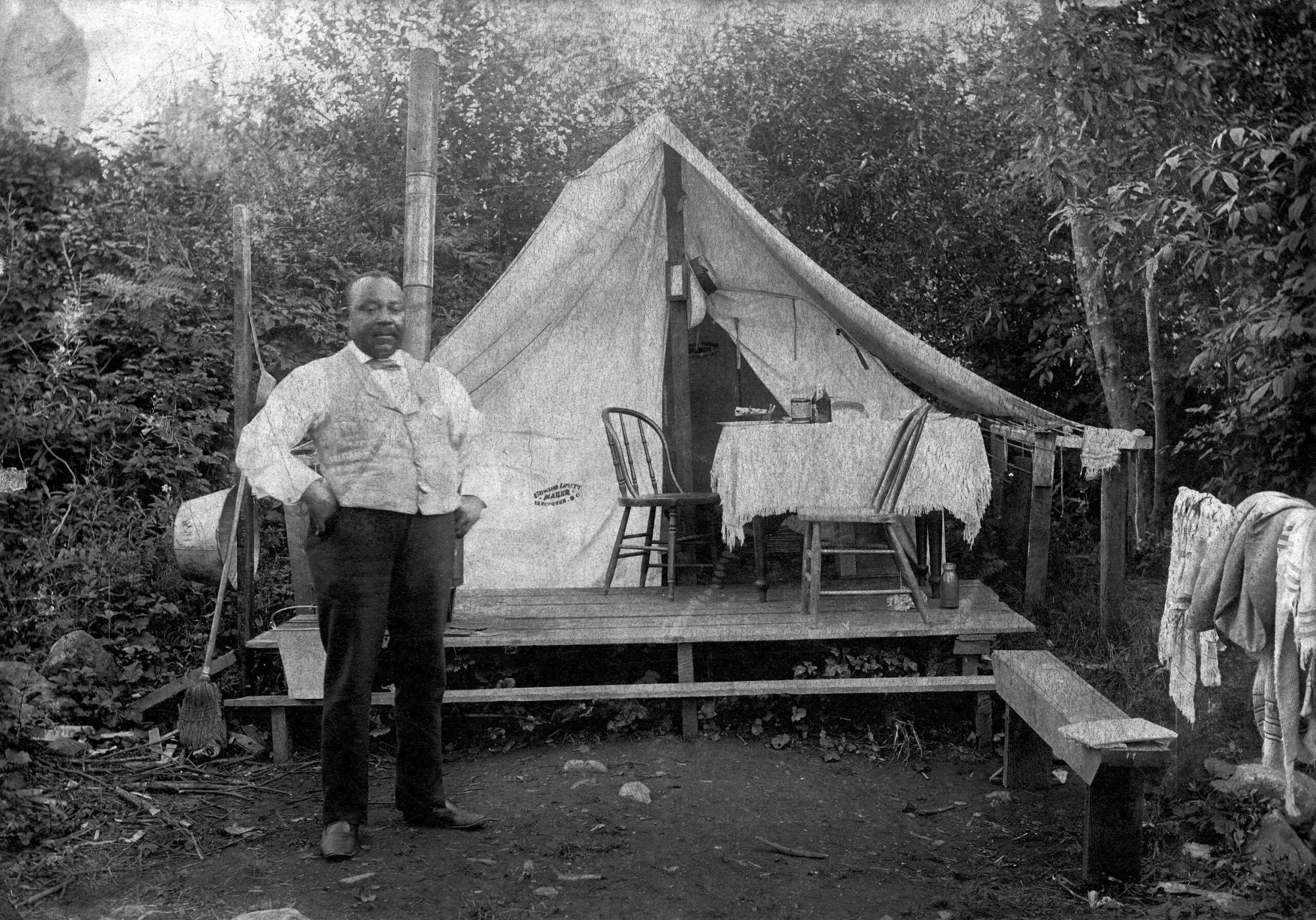
I’ve been thinking a lot about Serafim’s hands these days,
and how Serafim “Joe” Fortes’s hands, originally from the island of Trinidad, helped save over 100 people from drowning, leading him to became one of Vancouver’s most beloved heroes.
Hues of beautiful mahogany, always perfectly poised above azure ocean waves on the shores of Í7iy̓el̓shn (English Bay beach), as he taught white Vancouverites how to swim,
so graceful, so strong, and so acutely aware of every single one of his body’s movements in the water and on land.
45 Years Ago, Vancouver Rock Legends Loverboy Bet Big on Themselves
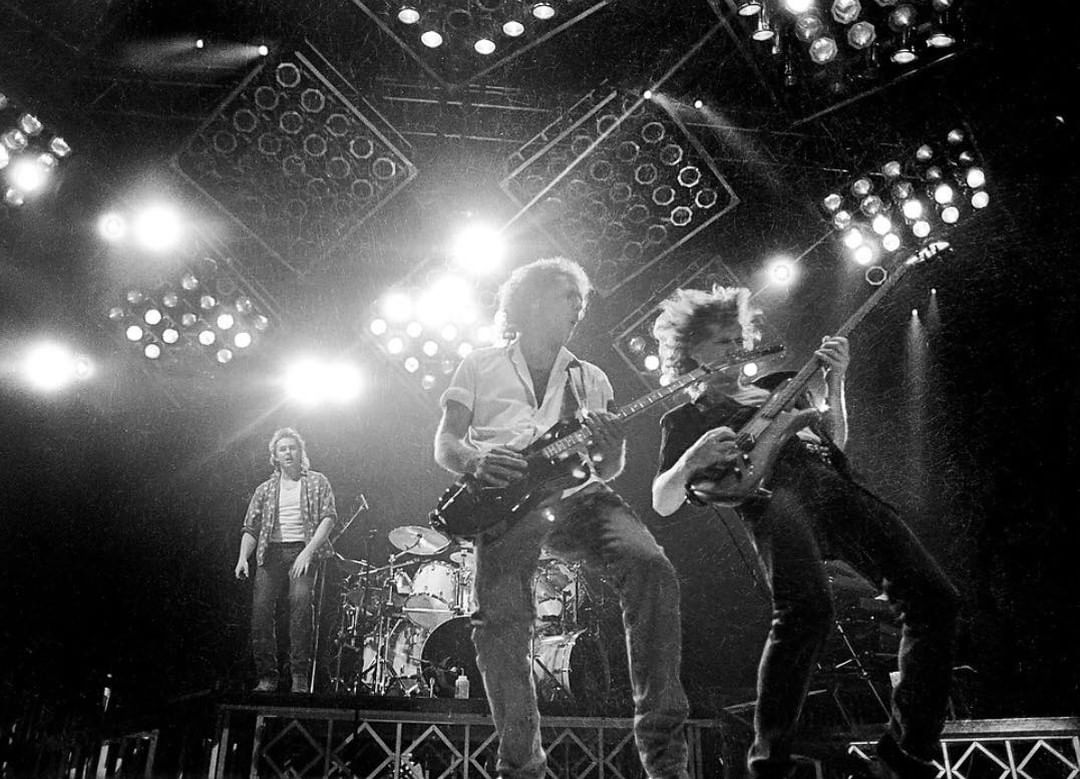
“All our favourite bands were playing: Eddie Money and Cheap Trick and Van Halen,” Loverboy guitarist Paul Dean recalls. “Halfway through the show we looked at each other and we went, ‘You know, I think we’re okay, regardless of what this guy at Capitol Records says, because this is us onstage. We’re listening to our style, our vibe.’” Read more.
The Highs and Lows of Vancouver’s Air Travel-Themed Restaurant
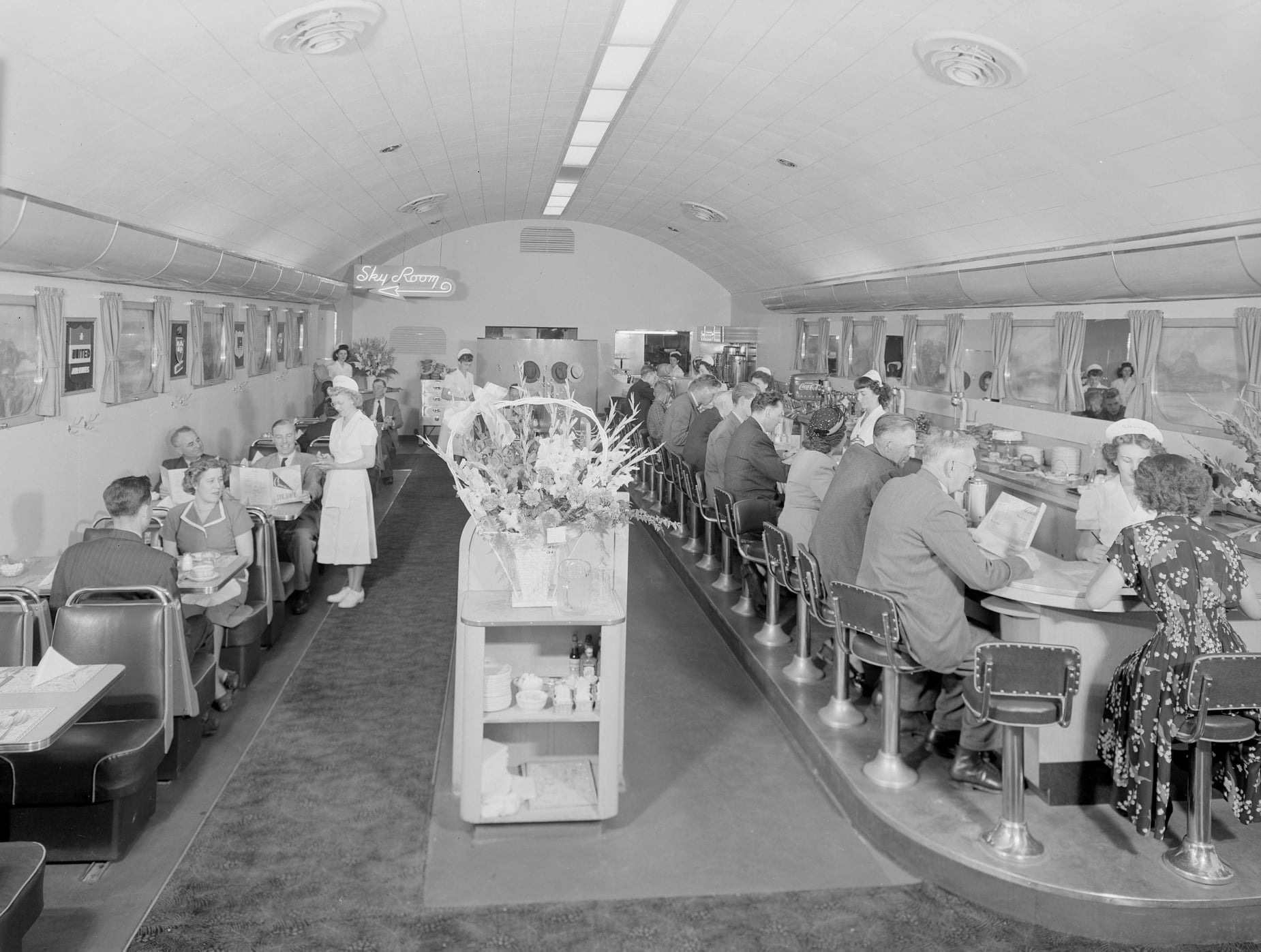
Opening in the heart of what was then called Theatre Row, the Sky Diner (referred to initially as both the Airliner and Mainliner) aimed to capitalize on the exotic new trend of air travel. Its servers dressed like flight attendants, the seats were chrome and leather, and the room was modelled to look like the interior of a Douglas DC-3 aircraft. It even featured a “droning” sound meant to emulate a jet engine, and moving scenery outside the windows, courtesy of a painted backdrop on spools. Read more.
A New Book Unravels the Mystery of Mutton—a Mythic Coast Salish Woolly Dog
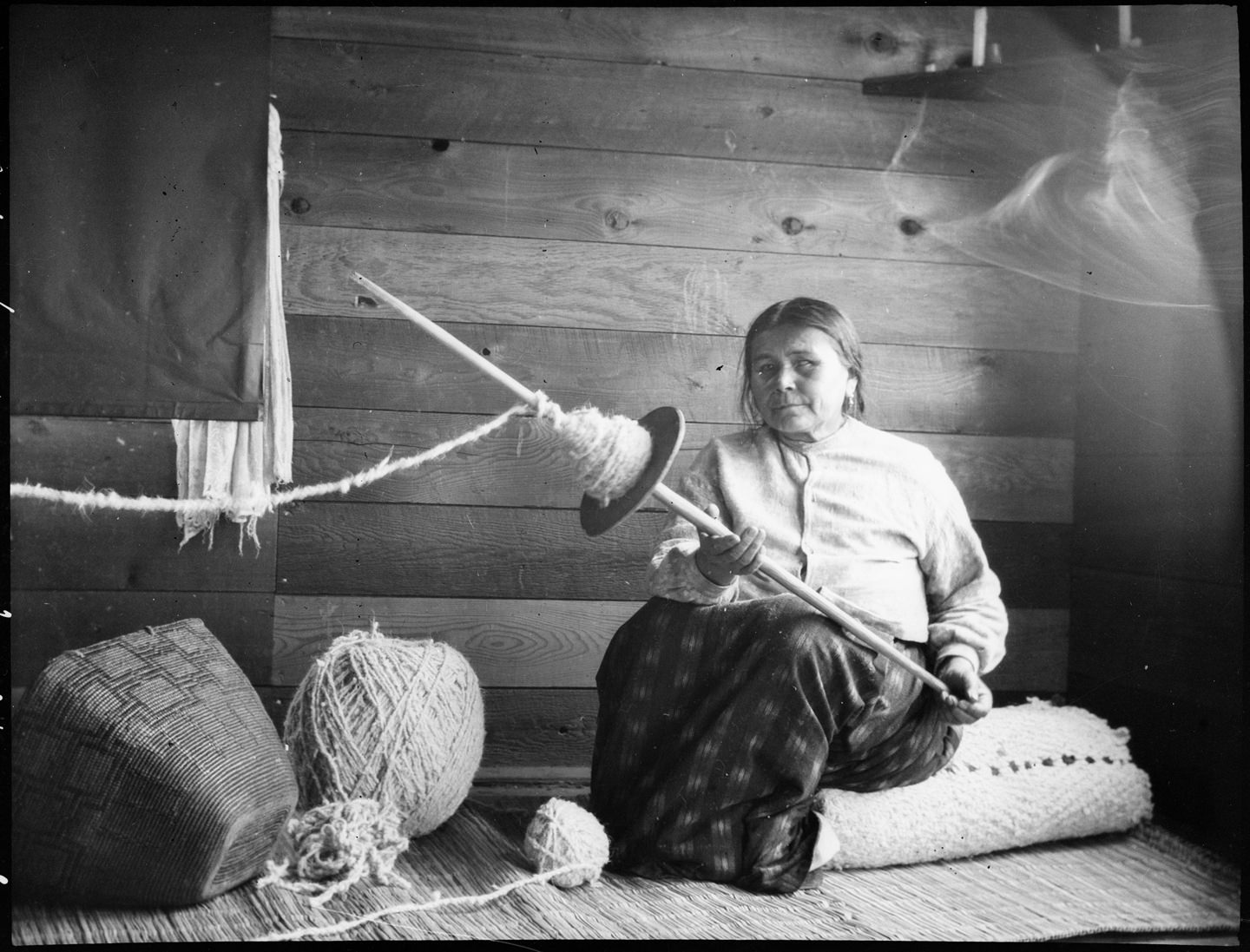
In front of me, like a steel wall, is an imposing row of six-foot-high metal storage cabinets protecting the past from the present. Somewhere within this fortress an ancient breed of dog is held in one of the drawers. It is 2012, and I am in the basement of a storage facility at the Smithsonian Institution’s National Museum of Natural History in Washington, DC. The windowless room seems enormous, filled with rows and rows of metal cabinets, much like a library with its stacks of shelves. Read more.
A Vancouver Historian’s Family Letters Offer Insights Into the First World War
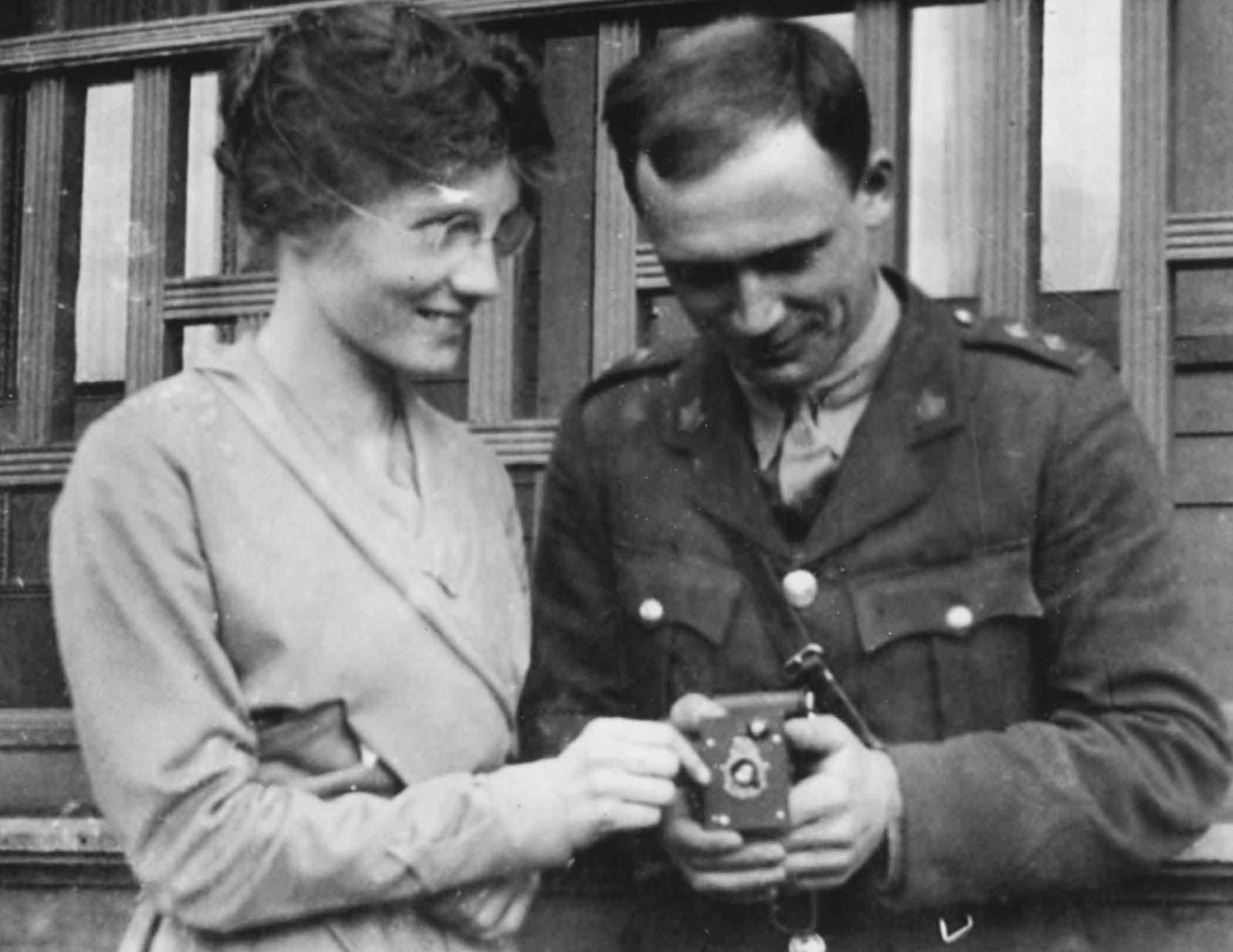
There’s one harrowing scene in the book when Harper is trapped, seemingly doomed. Later, he will receive a medal for his actions, but he’s the last one to brag about it. He tells Mabel in his letter home, saying he and his men took a dozen prisoners and five machine guns, killing scores of others. “Now dear, please do not tell everyone about this,” he wrote home. “I mention these things to you, but do not pass them on beyond the family circle.” Read more.
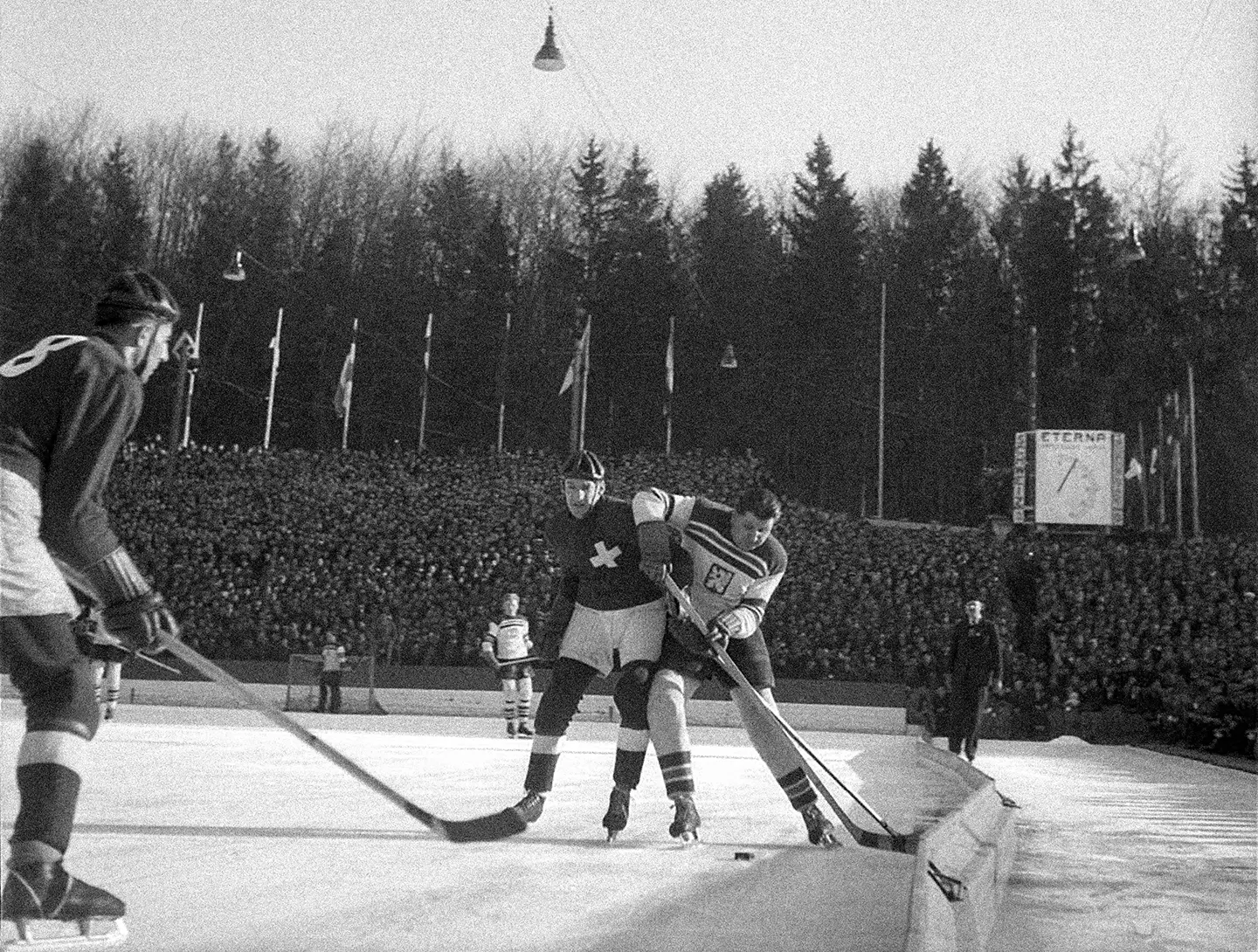
How a Hockey Savant From Trail, B.C., Became the Architect of the European Style of Play
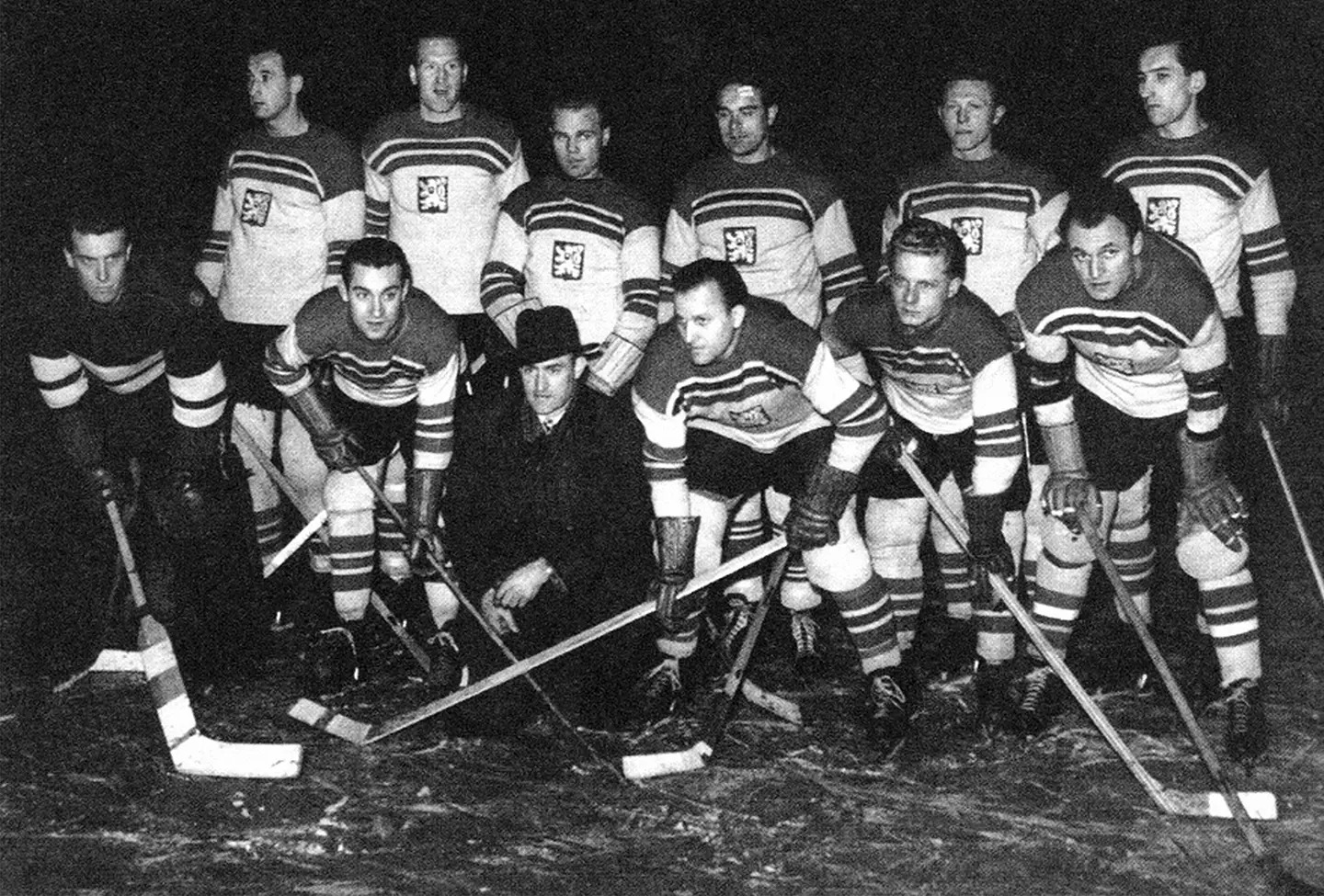
Before long, Mike Buckna was offered a job not just as playing-coach of LTC Prague but also as coach of the national team, plus a post overseeing the entire Czechoslovakian hockey program. Displaying a keen work ethic, he began travelling the country, instructing youngsters and organizing the game at the school level. Coaches from all over Czechoslovakia attended his coaching clinics. As a result, the system he introduced became the national style. Read more.
The Life and Death of B.C.’s Ripple Rock
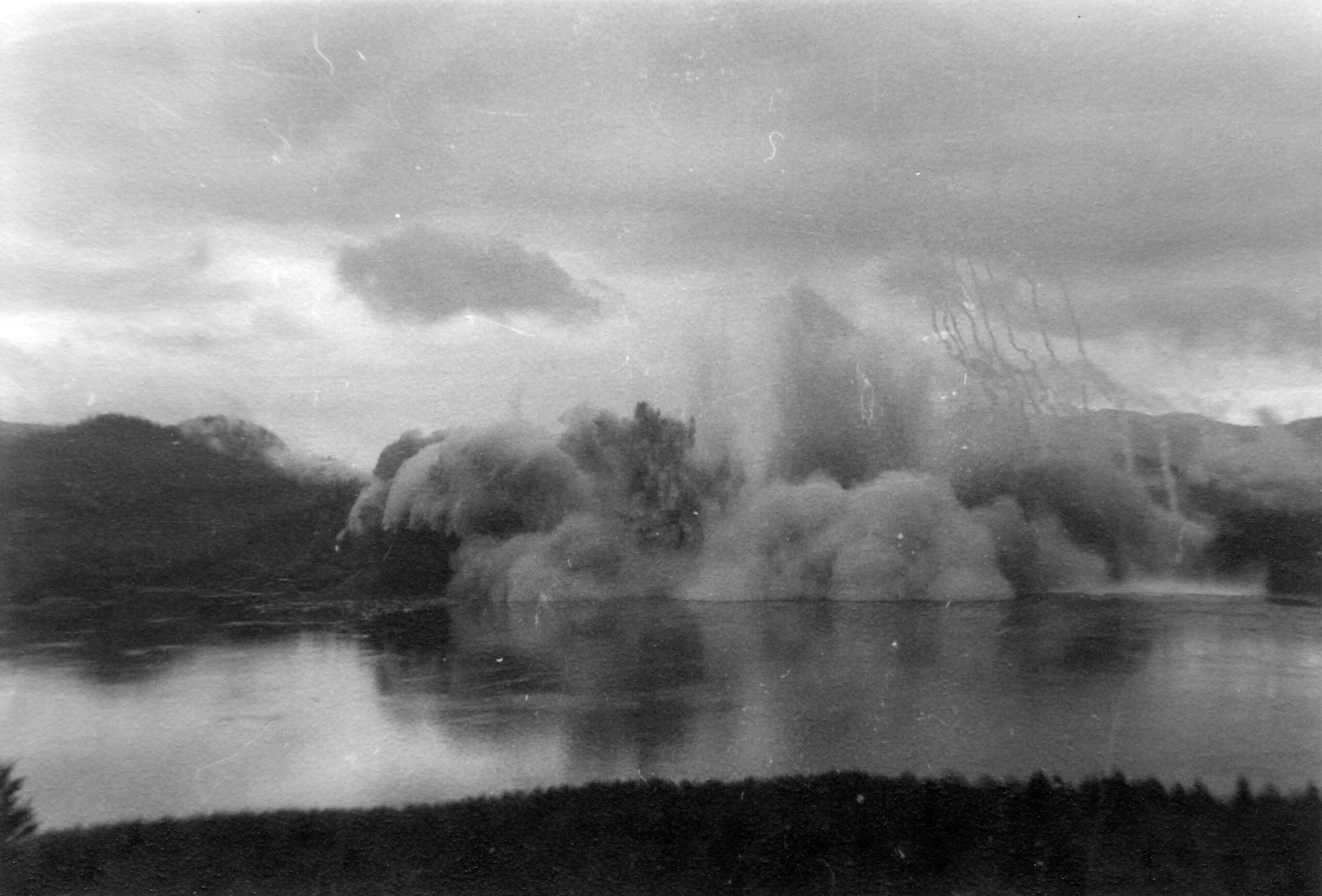
Located in Seymour Narrows, near Campbell River, the underwater mountain known as Ripple Rock had claimed more than 100 lives, dozens of ships, and cost millions in damage throughout the 19th and 20th centuries. “Old Rip” (as it was known by mariners) occupied the middle of an already perilous body of water, rife with deadly currents, whirlpools, and rapidly changing tides. The first European to recognize it was Captain George Vancouver, who called the surrounding area “one of the vilest stretches of water in the world” in his 1791 logbook. Read more.
Oakridge—The Postwar History of a Densifying Neighbourhood
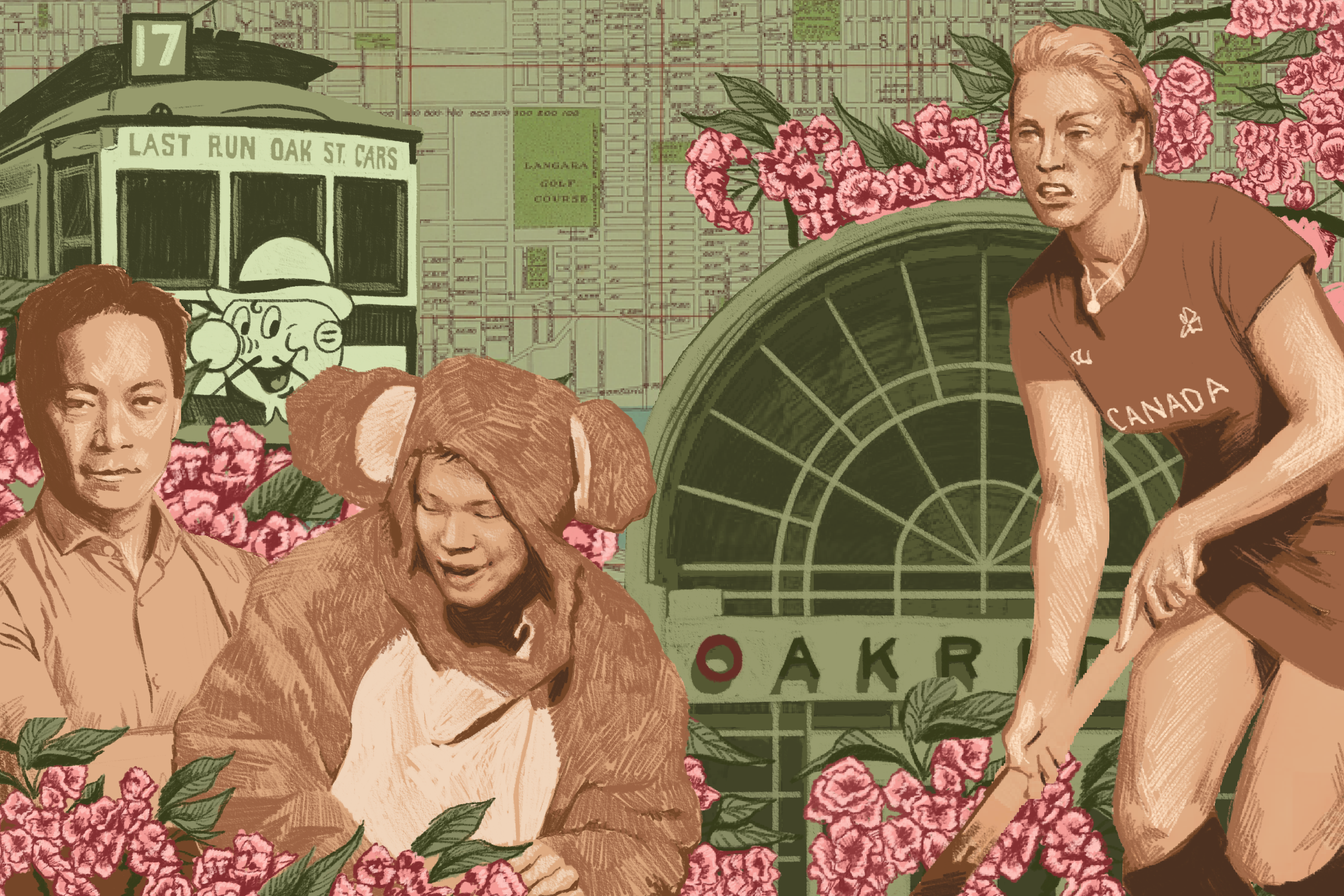
Oakridge took its first steps in 1950, when the Canadian Pacific Railway opened the undeveloped, forested land for commercial development. Before that, the area was primarily known for the Langara Golf Course. Built in 1926, it was the first public 18-hole golf course in the city. Other landmarks included the long-running Vancouver Gun Club on Oak Street and West 44th Avenue and an army barracks site that, in 1948, was transformed into the home base for the city’s streetcars, the Oakridge Transit Centre—the area’s first connection to its current name. The 14-acre site later became the home of BC Electric’s fleet of electric buses, which replaced the streetcars. Read more.
How Literary Icon Malcolm Lowry Came to Call Vancouver Home
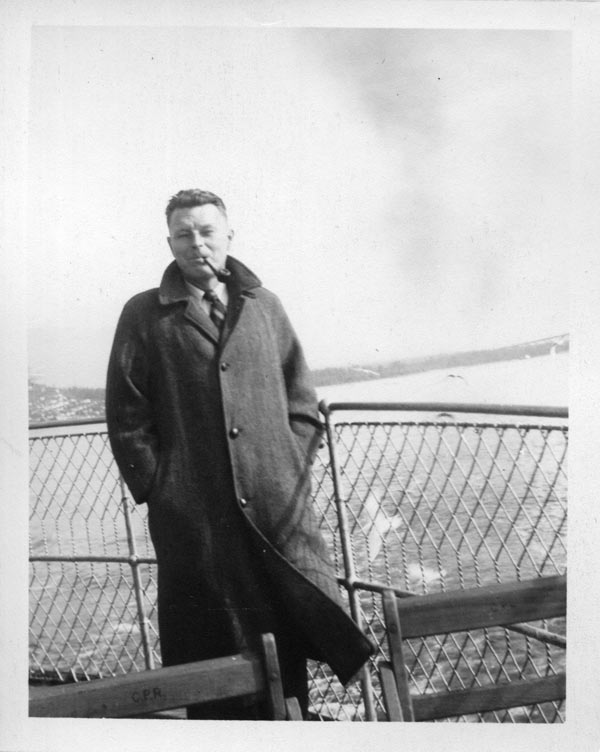
In 1944, a fire in North Vancouver nearly incinerated a literary masterpiece. It was the morning of June 7, and Malcolm Lowry was in his waterfront Dollarton shack when he smelled smoke and heard a faint crackling. He rushed outside amid a blazing blazing fire, surviving the tragedy along with his wife, Margerie Bonner, and the manuscript of his novel in progress, Under the Volcano, along with a few of his poems and some clothes. Years’ worth of Lowry’s writing was lost to the flames, but Bonner had saved what would come to be regarded as one of the finest novels of the 20th century. Read more.
Read more community stories.